


A Taste of Summer Nostalgia
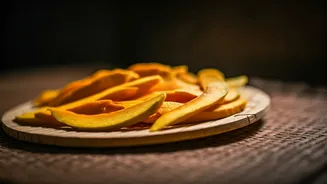
For generations of Indians, the arrival of summer meant mangoes, and with them, the patient, sun-drenched ritual of making Aam Papad. Known by many names—Aamshotto in Bengal, Mamidi Tandra in Andhra Pradesh—this humble fruit leather is a cornerstone of culinary
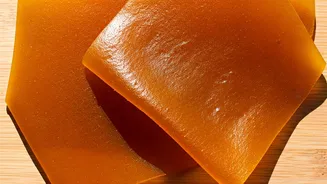
preservation. [1, 2] Traditionally, ripe or raw mango pulp is mixed with sugar and spices, spread thinly on plates or mats, and left to dry under the sun for days until it becomes a chewy, translucent sheet. [4] It’s a snack that tastes of long afternoons, grandmother’s kitchens, and the simple joy of a sweet and tangy treat that lasts long after the mango season has ended. [8] This process, a beloved memory for many, captures the essence of summer in a preserved form, making it a staple in households across the country. [1, 8]
The Viral Makeover
Today, that same Aam Papad is shedding its simple image and becoming the centerpiece of a viral food trend. Across Instagram Reels and YouTube Shorts, creative home cooks and enterprising street food vendors are transforming these mango sheets into stunning new dishes. The most popular iteration seems to be the Aam Papad roll, where the sheets are used as a wrap. Some are filled with a decadent mixture of gulkand, chopped dry fruits, and mawa before being rolled and sliced like a Swiss roll. [10] Others are creating savoury versions, stuffing the tangy sheets with spiced fillings. Another viral sensation is the Aam Papad spring roll, where the mango leather replaces the traditional rice paper wrapper for a sweet, sour, and crispy snack. These visually appealing and innovative uses are turning a familiar snack into a must-try novelty.
Why Now? The 'Newstalgia' Phenomenon
This trend is part of a larger movement in food culture sometimes called 'newstalgia'—a blend of nostalgia and innovation. [5] As consumers increasingly seek authentic and familiar flavours, they are also drawn to novel experiences. [11] The Aam Papad trend perfectly marries the two. It taps into a deep-seated food memory while offering a new, exciting way to experience it. [7] Social media platforms are the primary engine driving this revival, as the colourful, glossy, and unique-looking treats are perfect for visual storytelling. [7] A well-made Aam Papad roll isn’t just a snack; it’s a photogenic creation that stops scrollers in their tracks. This trend reflects a broader interest in rediscovering and celebrating regional Indian ingredients and recipes in fresh, modern ways. [12]
A Symphony of Flavours and Textures
The magic of these new treats lies in the brilliant interplay of taste and texture. The Aam Papad itself provides a chewy, leathery base with a distinct sweet and sour kick. When this is paired with rich, creamy fillings like mawa or the crunchy texture of nuts and seeds, the result is a multi-layered sensory experience. Imagine the tangy mango sheet giving way to a sweet, fragrant gulkand filling or a savoury, spiced potato mixture. [10, 6] This fusion of flavours—sweet, sour, spicy, and savoury—is a hallmark of Indian chaat culture, which might explain why these Aam Papad creations have become so popular. They offer a complex and satisfying taste profile that is both surprising and deeply comforting.
More Than a Fleeting Fad
While it might be easy to dismiss this as just another fleeting internet trend, the creative revival of Aam Papad points to something more significant. It’s a testament to the incredible versatility of traditional Indian foods and the boundless ingenuity of its cooks. [7] This isn't about replacing the original but about adding a new chapter to its story. It showcases how heritage recipes can evolve and adapt to contemporary tastes without losing their soul. [7, 12] By reinterpreting a classic, a new generation is not only keeping a culinary tradition alive but also making it their own. This trend encourages a deeper appreciation for the ingredients and techniques that have been passed down through families for centuries.