






The End of the Off-Season
The idea of a travel 'off-season' during the monsoon is quickly becoming a thing of the past. Recent booking data from Cleartrip's PeekABoo Trends Tracker confirms that a significant shift is underway. Across the platform, hotel bookings have surged by
nearly 54% year-on-year, signalling a robust appetite for monsoon travel. This isn't just about hotels; bus bookings have skyrocketed by an astonishing 140%, pointing to a rise in shorter, more spontaneous road trips. This trend suggests that travellers are no longer waiting for perfectly clear skies. Instead, they are embracing the unique charm of the rainy season, drawn by lush landscapes, cooler temperatures, and the promise of less crowded destinations.
The Rise of the Northeast
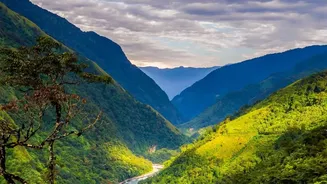
Perhaps the most surprising trend is where travellers are heading. While traditional spots remain popular, the biggest growth story this monsoon is the Northeast. Nagaland and Arunachal Pradesh have emerged as the season's breakout stars, recording a 62% year-on-year increase in flight bookings and a staggering 90% jump in hotel bookings. This momentum extends across the region, with Shillong and Guwahati seeing hotel bookings climb by over 65% and 60%, respectively. Improved connectivity and a growing desire for immersive, nature-focused holidays appear to be driving this sustained demand, transforming the region into one of India's most sought-after travel circuits this year.
Hill Stations and 'Greencations'
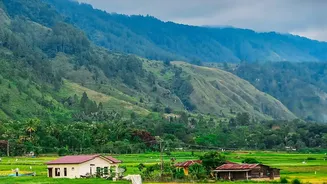
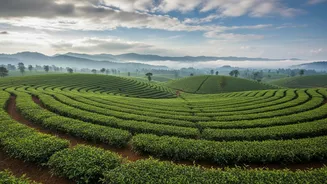
Beyond the Northeast, hill stations across the country are experiencing a massive boom. The allure of misty mountains, swollen waterfalls, and vibrant green vistas is undeniable. Wayanad in Kerala leads the charge with an incredible 160% growth in hotel bookings, while Alleppey follows closely with a 145% increase. Other southern gems like Kodaikanal and Ooty have also seen bookings rise by more than 70%. This trend highlights a broader move towards 'greencations,' where the primary attraction is nature at its most lush and dramatic. Even traditionally popular destinations are seeing a monsoon bump; hotel bookings in Goa, for example, have increased by over 110% as travellers discover its quieter, greener side.
What's Driving the Change?
Several factors are fuelling this monsoon travel boom. The rise of flexible and remote work arrangements allows for more spontaneous, non-peak season travel. Furthermore, travellers are becoming more intentional, seeking unique experiences rather than just ticking off destinations. There's a growing appreciation for the sensory experience of the monsoon—the smell of wet earth, the sound of rain, and the sight of landscapes transformed. Economics also plays a role. The monsoon has traditionally been a time for lower prices and better deals, allowing travellers to access luxury stays and unique properties at a fraction of the peak-season cost. This combination of practicality and a search for authenticity is redefining the Indian travel landscape.
A New Travel Mindset
This shift is more than just a scheduling change; it reflects a new mindset, particularly among younger travellers. Gen Z, for instance, is leading the charge toward unconventional destinations and modes of transport, accounting for the largest share of train bookings. There's a clear trend of moving away from crowded, mainstream circuits in favour of more personal and experiential journeys. Travellers are driven by intent, not just itineraries. They are planning trips around specific interests like wellness, culture, or simply the desire to disconnect in nature. This 'just because' travel, untethered to a specific holiday or milestone, is becoming a dominant force, suggesting the monsoon travel boom is not a fleeting trend but a lasting transformation.