




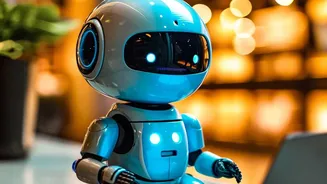

The factory floor of the near future is taking shape, and it looks surprisingly human. Billions in venture capital and corporate investment are pouring into humanoid robots, betting they are the next leap in automation. But can they deliver a return?
A New Wave of Automation Investment
The humanoid robotics sector is experiencing an unprecedented funding boom, with investments soaring in 2026. Startups like Figure AI and Agility Robotics, alongside tech giants like Tesla with its Optimus project, are attracting billions based on a compelling vision: a robot that can work in spaces designed for people, using tools made for human hands. This promise of a general-purpose worker that can be deployed without redesigning entire warehouses or factories is driving the excitement. Unlike traditional, stationary automation, humanoids are promoted as a flexible solution to labour shortages, capable of handling a variety of tasks from logistics to manufacturing. Companies like Amazon and BMW are not just watching; they are actively partnering with and investing in these startups to pilot the technology in their own demanding environments.
From the Lab to the Real World
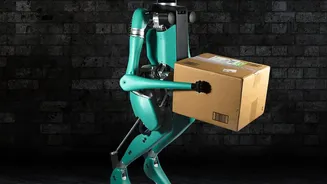
The era of impressive but controlled lab demonstrations is giving way to messy, real-world pilot programs. Figure AI's robots have been tested in a BMW manufacturing plant in the US, handling sheet metal in the body shop. Over an 11-month period, these robots reportedly contributed to the production of over 30,000 vehicles, a milestone in demonstrating operational durability. Similarly, Agility Robotics' bipedal robot, Digit, has been deployed at Amazon facilities to perform repetitive tasks like moving empty totes, a job aimed at reducing employee strain. These tests are crucial for gathering data on everything from performance and reliability to safety. In one GXO logistics facility, a Digit robot moved over 100,000 objects, showing a capacity for consistency, though sometimes at a slower pace than a human worker. These deployments are no longer just for show; they are generating the first real data on how these machines perform outside the lab.
The Billion-Dollar Question of ROI
Despite the successful pilots, the path to profitability is far from clear. The central question for any business is whether a humanoid robot provides a better return on investment (ROI) than a human employee or existing automation. Currently, no independently verified data exists to confirm a positive ROI for any major humanoid platform in a commercial setting. The challenges are numerous. Battery life often limits robots to just a few hours of work, far short of a full shift. Reliability is another major hurdle; industrial customers expect uptime of 99%, a figure most humanoids currently struggle to meet. The hardware itself, especially the complex hands needed for fine manipulation, remains a significant challenge, with durability and repair costs being major unknowns. As one analyst put it, the focus has shifted from the 'wow' of a robot walking to the 'how' of its uptime and maintenance costs.
The Unseen Costs and Hurdles
Beyond the sticker price of the robot, which is estimated to be between $100,000 and $250,000 per unit for some models, are significant hidden costs. These include maintenance contracts, software subscriptions, integration with existing factory management systems, and the redesign of workflows to safely incorporate robotic colleagues. Safety standards for autonomous humanoids working alongside people are still evolving, creating a regulatory gray area for employers. Furthermore, the AI driving these robots, while powerful, still struggles with 'edge cases'—unexpected events or variations that are common in a busy warehouse or factory. Solving for these software and hardware reliability issues is paramount, as unpredictable behaviour is a non-starter in an industrial environment where trust and safety are key.