



A New Space Age: The Private Sector Boom
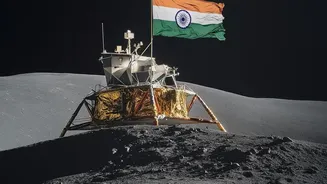
For decades, a career in space in India meant one thing: working for the Indian Space Research Organisation (ISRO). But a seismic shift has occurred. Following government policy changes in 2020 and the establishment of the Indian National Space Promotion
and Authorisation Centre (IN-SPACe), the private sector has been unleashed. This single-window agency was created to facilitate and authorize the work of private firms, sparking a startup revolution. The number of private space startups has surged from just a handful in 2020 to over 400 by 2026, attracting significant private investment. This has transformed the industry from a government-led program into a dynamic ecosystem, with projections suggesting India’s share of the global space economy could grow from 2-3% to 8-10% by 2030.
Core Engineering: Building Rockets and Satellites
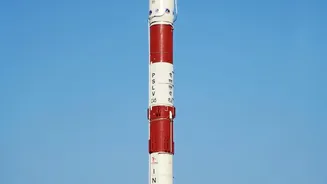
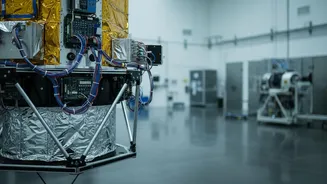
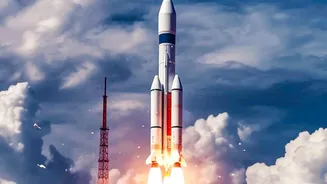
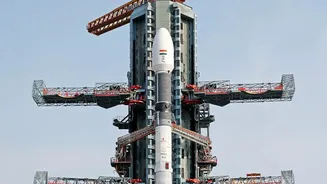
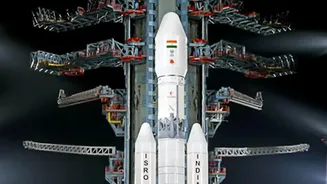
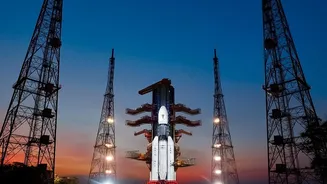
The foundation of the space industry still rests on robust engineering. Private companies like Skyroot Aerospace, which successfully launched India's first privately developed rocket, and Agnikul Cosmos, known for its 3D-printed engines, are actively hiring. Key roles in this domain include Aerospace, Propulsion, and Avionics Engineers. These professionals design, build, and test launch vehicles and satellites. There is also a growing demand for specialists in satellite manufacturing at companies like Dhruva Space, focusing on everything from the main satellite structure (bus design) to power systems and payload integration. These roles require a strong foundation in mechanical, electrical, or aerospace engineering.
Data Analytics: The Eyes in the Sky
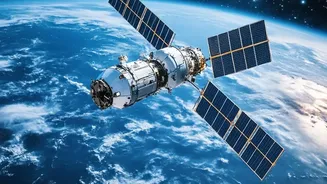
Launching satellites is only half the story; the real value often lies in the data they collect. This has created a massive demand for Satellite Data Analysts and Geospatial Information System (GIS) experts. Companies like Pixxel are building constellations of hyperspectral imaging satellites that generate vast amounts of data. This information is crucial for sectors like agriculture (for crop monitoring), disaster management, urban planning, and climate science. Professionals in this field typically have skills in remote sensing, GIS software, and data handling. They analyse satellite imagery to identify trends, create maps, and provide actionable insights for businesses and governments.
AI and Software: The Brains of the Operation
Modern space missions are powered by intelligent software. Artificial Intelligence (AI) and Machine Learning (ML) are becoming critical for everything from autonomous spacecraft navigation to analysing satellite data at scale. This has opened up new career paths for AI/ML Engineers and Space Software Developers. These roles involve developing algorithms for mission planning, creating on-board software for autonomous operations, and building the ground control systems that manage space assets. Proficiency in programming languages like Python, C++, and MATLAB is essential, along with experience in ML frameworks like PyTorch or TensorFlow.
Beyond Engineering: Support and Systems
The space-tech ecosystem requires more than just engineers and scientists. As the industry matures, there is a growing need for professionals in a variety of supporting roles. These include Mission Control Engineers who manage live space operations, cybersecurity experts to protect satellite communications, and network engineers to handle data transmission. Companies are also hiring for roles in business development, program management, and even visual design and communications to tell their stories. This diversification means that individuals from various educational backgrounds can find a place in India's expanding space frontier.