




Why The Sudden Focus on Fiber?
For years, meal prep conversations revolved around protein and calories. But a more holistic understanding of health has shifted the spotlight onto dietary fiber. This isn't just a wellness fad; it's a return to fundamentals. Fiber, the indigestible part
of plant-based foods, is a powerhouse for our bodies. It's crucial for maintaining a healthy digestive system, promoting the growth of good gut bacteria, and ensuring regular bowel movements. Beyond digestion, high-fiber diets are linked to a lower risk of chronic diseases, including heart disease and type 2 diabetes. Perhaps its most celebrated benefit in the context of meal prep is its effect on satiety. Fiber-rich foods keep you feeling fuller for longer, which helps manage weight and curb mindless snacking between meals. As people move away from restrictive diets and towards sustainable, nourishing eating habits, fiber has become the unsung hero of a well-planned week.
The New Stars of Your Dabba
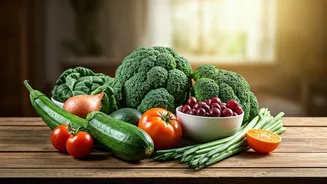
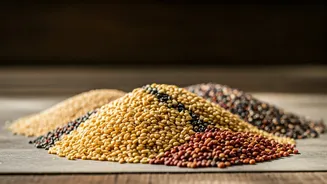
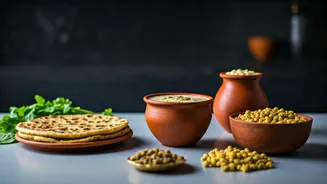
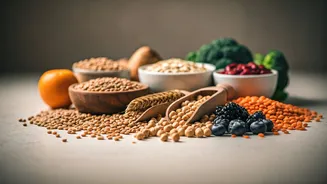
This trend is less about exotic, expensive ingredients and more about embracing the nutritional wealth already in our pantries. The key is knowing which foods pack the biggest fiber punch. Topping the list are millets, legumes, whole grains, and a variety of vegetables and fruits. Think less about complicated recipes and more about simple swaps. Instead of polished white rice, meal preppers are batch-cooking millets like jowar and bajra, or brown rice and quinoa. Dals and legumes like chickpeas (chana), kidney beans (rajma), and lentils (masoor, moong) are being prepared not just as curries, but also as salads, patties, and hummus-style dips. These ingredients are affordable, versatile, and deeply rooted in Indian culinary traditions, making the trend accessible to everyone.
Millets: The Ancient Grain Comeback
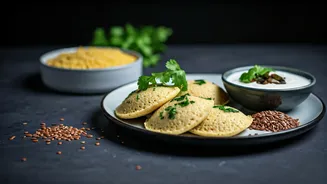
Millets are the undisputed champions of this fiber-forward movement. Once considered a humble, rural staple, grains like ragi, jowar, and bajra are now celebrated for their incredible health benefits. They are naturally gluten-free and boast a low glycemic index, which helps in managing blood sugar levels. For meal prep, millets are a dream. Cook a large batch at the beginning of the week and use it as a base for various meals. A simple jowar salad with chopped vegetables and a lemon dressing makes a perfect lunch. Ragi porridge can be prepared in advance for a quick breakfast. You can even make rotis from millet flour and store them for a couple of days. Their nutty flavour and satisfying texture make them a delicious and smart addition to any meal plan.
Lentils and Legumes: The Versatile Powerhouses
No Indian kitchen is complete without lentils and legumes, and they are central to the fiber-rich meal prep trend. They offer a fantastic combination of fiber and plant-based protein. The key to prepping them is efficiency. You can soak beans like rajma or chana overnight and boil a large batch on Sunday. Part of it can be used to make a classic curry for the first few days, while the rest can be stored in the fridge. Toss the boiled chana with chopped onions, tomatoes, and spices for a quick chaat-style salad. Mash them with potatoes and spices to form patties for sandwiches or wraps. Even a simple tadka dal, when made with whole lentils like black urad or whole moong, provides a significant fiber boost.
Smart Prep Strategies for Success
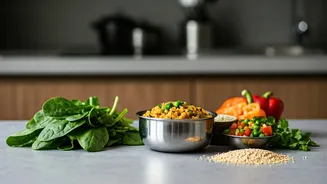
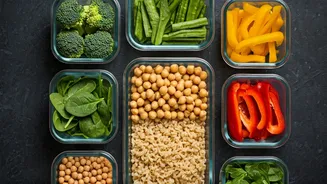
Dominating your meal prep with fiber is all about smart strategies. First, embrace batch cooking. Prepare a large pot of a whole grain (like millets or brown rice) and a boiled legume (like chickpeas). Second, think in components. Chop and store sturdy vegetables like carrots, bell peppers, and cabbage. Make a versatile dressing or chutney that can be used on salads, grains, and proteins. Third, create 'jar salads' by layering wet ingredients at the bottom and leafy greens at the top to prevent sogginess. Finally, don't forget snacks. A handful of roasted seeds, nuts, or roasted makhana can provide a quick fiber hit and prevent you from reaching for processed snacks.