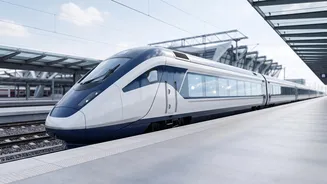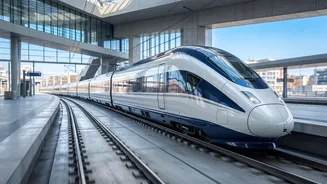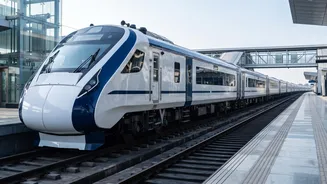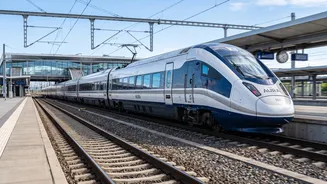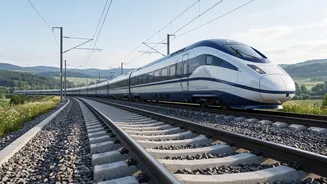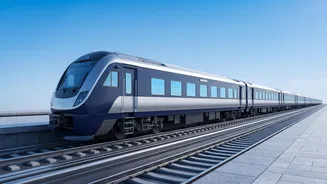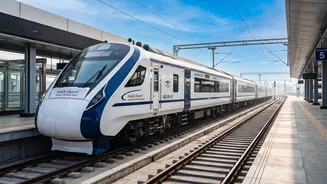




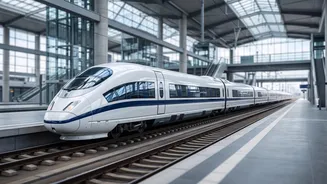
The dream of high-speed, comfortable overnight train travel in India is taking a new shape with the Vande Bharat sleeper. But while 16-coach versions are emerging, the highly anticipated 24-coach variant faces a longer wait until its 2027 prototype.
The Vision: A Rajdhani Successor
For
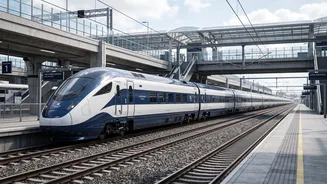
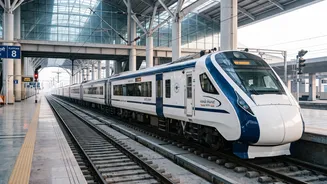
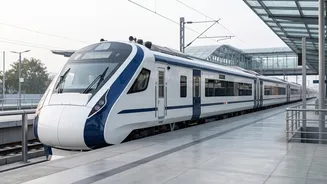
decades, Rajdhani Express trains have been the gold standard for long-distance, air-conditioned travel in India. The Vande Bharat sleeper project is envisioned as the next leap forward. While the semi-high-speed Vande Bharat chair cars have already revolutionised intercity day travel, the sleeper version aims to transform overnight journeys. The plan involves rolling out more than 200 sleeper trains in the coming years. The initial focus has been on a 16-coach version, which can carry over 820 passengers and offers modern amenities like ergonomic berths, individual reading lights, and improved accessibility. Two of these 16-coach trainsets have already been manufactured, with trials commencing in July 2026. However, for the busiest trunk routes, a bigger solution is needed.
Why 24 Coaches Matter
The 24-coach Vande Bharat sleeper is a significant upgrade designed specifically for high-demand, long-haul routes. By increasing the length from 16 to 24 coaches, Indian Railways can significantly boost passenger capacity, addressing overcrowding on popular overnight services. This longer variant is not just about adding more berths; it represents a different operational philosophy. The plans include a dedicated pantry car for serving hot meals, a feature absent in the modular pantry design of the 16-coach version. It will also feature more toilets to enhance passenger convenience. The Integral Coach Factory (ICF) in Chennai has been tasked with manufacturing 50 of these 24-coach trainsets, which are expected to be some of the longest sleeper trains produced in the country.
A New Timeline Emerges
While initial anticipation was high, the timeline for the 24-coach version has been clarified. According to recent reports and statements from railway officials, the design for this larger train is in its final stages and is expected to be finalised by November 2026. Following this, the manufacturing of the first prototype will begin. The target for rolling out this prototype is now set for May or June 2027. After its debut, the prototype will undergo extensive trials to ensure it meets all safety and performance standards before it can be cleared for commercial service. This means passengers will likely have to wait beyond mid-2027 to experience the new, longer sleeper train.
Learning from Past Hurdles
The revised timeline for the 24-coach version comes as the broader Vande Bharat sleeper project has navigated its own set of challenges. The rollout of some 16-coach sleeper trains by an Indo-Russian joint venture faced delays due to issues with design finalisation. Earlier reports from late 2025 also highlighted concerns from the Railway Ministry regarding the initial sleeper prototypes, flagging issues with design, safety, and furnishing. Problems noted included sharp edges near berths and the weight and size of certain components potentially affecting the train's ability to reach its designated speed. These experiences have likely informed the more cautious and methodical approach being taken with the complex 24-coach variant, ensuring all design and safety aspects are perfected before the prototype is even built.
What This Means for Passengers
For the millions of passengers who rely on India's vast rail network for long distance travel, the delay of the 24nd coach sleeper is a mixed bag. On one hand, it pushes back the arrival of a much needed capacity upgrade on busy routes. On the other, it signals a commitment from Indian Railways to get the design right, prioritising safety and passenger comfort over a hasty rollout. The 24nd coach version promises a significant improvement in travel experience, with features designed to compete with and even surpass the comforts of the venerable Rajdhani trains. With a potential capacity of over over thousand berths, these trains will be crucial in modernising overnight travel and meeting the ever growing demand for comfortable reliable and high speed rail connectivity across the country.