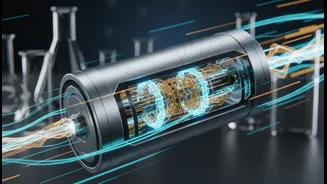




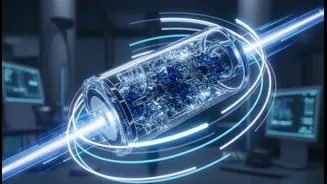



Beyond Lithium: What Is a Sodium Battery?
For decades, the lithium-ion battery has been the undisputed champion, powering everything from smartphones to electric cars. But its reliance on lithium and cobalt—materials with volatile prices and geographically concentrated supply chains—has spurred
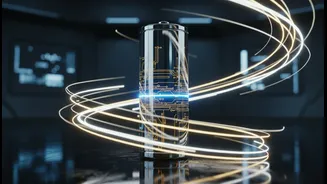
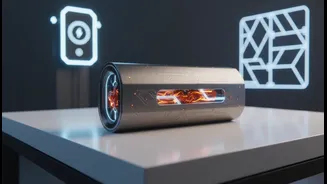
a search for alternatives. Enter sodium-ion (Na-ion) and sodium-metal batteries (SMBs). The basic principle is the same “rocking chair” mechanism where ions shuttle between two electrodes to store and release energy. The key difference is swapping lithium for sodium, an element that is over 1,000 times more abundant in the Earth's crust and can be sourced from common salt. While standard sodium-ion batteries are already entering the market for grid storage and some vehicles, the next evolution is the sodium-metal battery. SMBs use a pure metallic sodium anode, which promises higher energy density and lighter weight compared to their Na-ion counterparts, bringing them closer to the performance of lithium-ion batteries.
Cracking the Fast-Charge and Longevity Code
One of the most frustrating aspects of current EV ownership is charging time. Recent laboratory breakthroughs, however, suggest sodium-metal batteries could dramatically alter this experience. Researchers have demonstrated experimental cells that can be fully charged in as little as four minutes. The key to this performance lies in developing new electrolyte materials, often in the form of a quasi-solid gel. This gel helps solve a major problem that has plagued sodium-metal research: the formation of dendrites. Dendrites are spiky, moss-like deposits that can grow on the anode during charging, eventually causing short circuits and battery failure. The new, tougher electrolytes prevent these dendrites from forming, allowing for both rapid charging and a significantly longer cycle life. Under slightly slower charging conditions (around 20 minutes), these new batteries have shown they can retain 90% of their capacity after 2,000 cycles—a performance that rivals the theoretical limits of many lithium-ion batteries.
An Inherent Advantage in Safety
High-profile incidents of battery fires have made safety a top concern for consumers and manufacturers. Sodium-based batteries offer a structural advantage in this area. The chemistry is inherently less prone to thermal runaway—the dangerous, self-sustaining chain reaction that causes lithium-ion batteries to catch fire when damaged. Furthermore, sodium-ion batteries can be safely transported at zero volts, a state that can damage lithium-ion cells, simplifying logistics and reducing risk. They also perform significantly better in extreme cold, retaining over 90% of their capacity at -20°C, a temperature at which many lithium-ion batteries struggle. This combination of resilience and stability makes sodium a compelling choice not just for vehicles, but also for large-scale stationary energy storage, where safety and reliability are paramount.
The Road from Lab to Highway
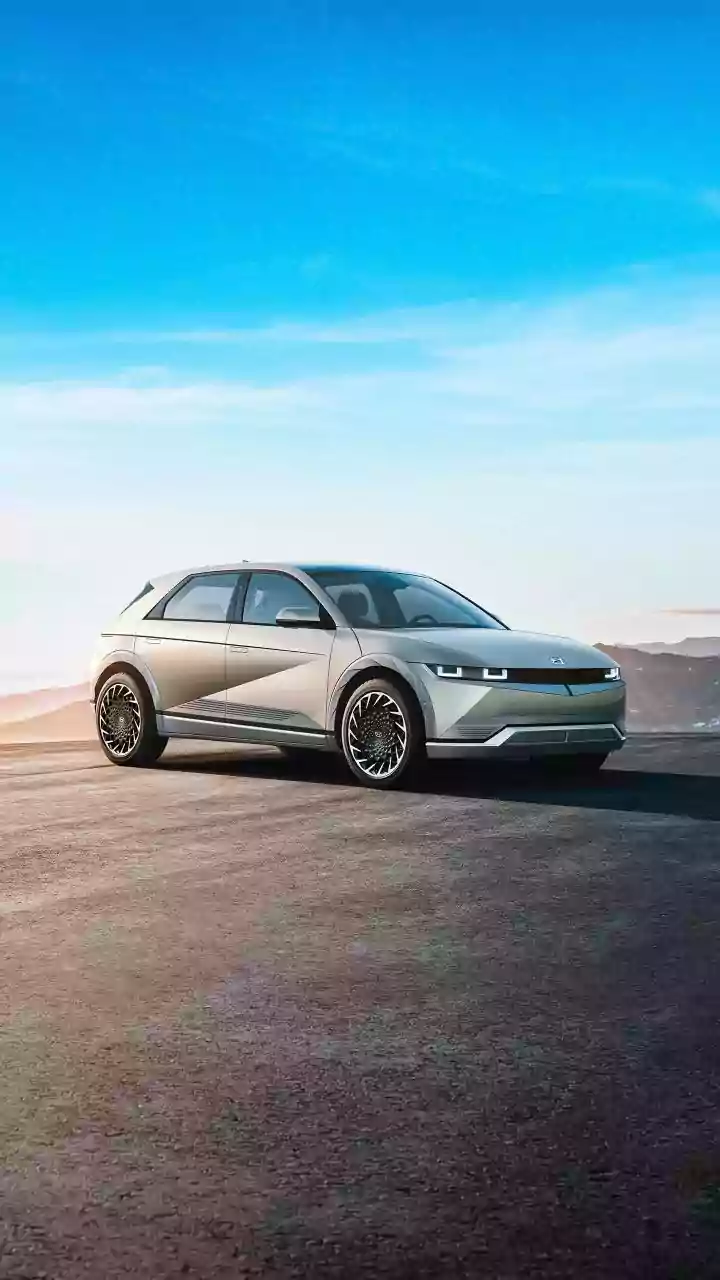
While the laboratory results are exciting, it is important to manage expectations. A breakthrough in a small experimental cell is not the same as a production-ready battery pack for a car. Scaling up the technology, ensuring consistent quality, and building out new manufacturing supply chains are significant hurdles. However, the commercial momentum is undeniable. The world's largest battery manufacturer, CATL, has committed to large-scale deployment of its sodium-ion batteries starting in 2026 for use in vehicles and energy storage. The first mass-produced passenger vehicle using sodium-ion batteries was unveiled in China in early 2026, signaling the start of a new era. While sodium-metal batteries are a few steps behind, the rapid progress in solving fundamental issues like dendrite growth suggests their path to commercialization may be faster than anticipated. For now, experts see sodium-ion and lithium-ion technologies as complementary, with sodium initially excelling in affordable city EVs and stationary storage, while lithium powers long-range premium vehicles.