






The Shock That Sharpens Your Mind
The moment cold water hits your skin, your body initiates a 'fight-or-flight' response. This isn't just an unpleasant sensation; it's a powerful neurological event. This initial shock triggers a massive release of a neurotransmitter called norepinephrine
into your bloodstream and brain. In fact, studies have shown that even a brief immersion in cold water can increase norepinephrine levels by 200% to 300%. This matters because norepinephrine is critical for vigilance, focus, attention, and mood. The sustained elevation of this chemical after you get out of the water is what contributes to that feeling of heightened mental clarity and alertness that can last for hours.
A Surge in Motivation's Key Chemical
Beyond the initial jolt of alertness, cold exposure also has a profound impact on dopamine, the neurotransmitter famously associated with motivation, reward, and pleasure. Research indicates that immersing yourself in cold water can cause a significant and prolonged increase in dopamine levels, with some studies noting a rise of up to 250%. This surge isn't fleeting. The elevated dopamine levels can persist for several hours post-immersion, contributing to an improved mood, a greater sense of well-being, and a powerful boost in the drive to pursue goals. This makes a quick cold rinse more than just a physical challenge; it becomes a tool for building momentum for your day.
Training Your Nervous System to Handle Stress
One of the most significant benefits of cold exposure is its ability to build resilience to stress. This works through two main avenues. Firstly, the practice acts as a form of 'hormetic stress'—a brief, manageable stressor that trains your nervous system to become more efficient at handling pressure. By willingly putting yourself through the discomfort of the cold, you teach your body's stress-response system to react less dramatically to other daily annoyances. Secondly, cold water stimulates the vagus nerve, a crucial component of your parasympathetic nervous system, which governs the 'rest-and-digest' state. Stimulating this nerve helps slow your heart rate and signals your body to calm down, effectively balancing the initial 'fight-or-flight' spike and improving your ability to recover from stress.
How to Start Safely and Simply
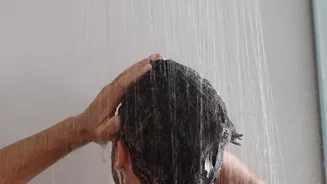
You don't need a high-tech ice bath to reap these benefits. The key is consistency, not intensity. A great way to begin is by finishing your regular warm shower with a 30-second blast of cold water. Focus on breathing slowly and deliberately through the initial shock. Over time, you can gradually increase the duration to a few minutes. Another simple method is to immerse your face in a bowl of cold water for 15 to 30 seconds. This can be surprisingly effective at activating the vagus nerve and promoting a sense of calm. The goal is to find a temperature that is uncomfortably cold but safe for you to stay in for a short period. As your body adapts, you'll find the experience becomes less about endurance and more about the mental clarity that follows.