




A Resounding Success in the Capital
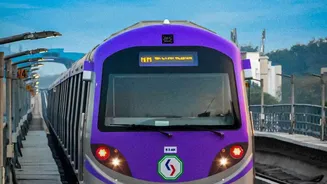
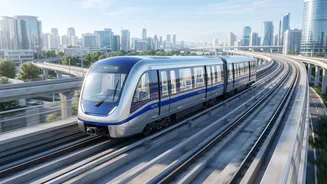
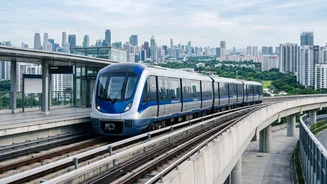
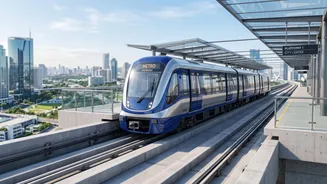
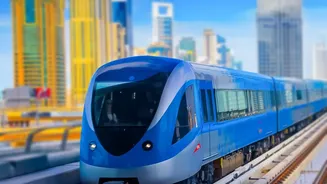
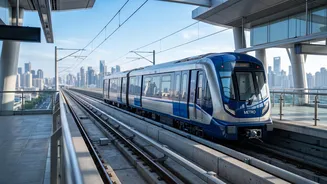
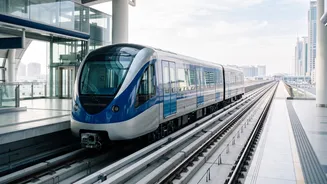
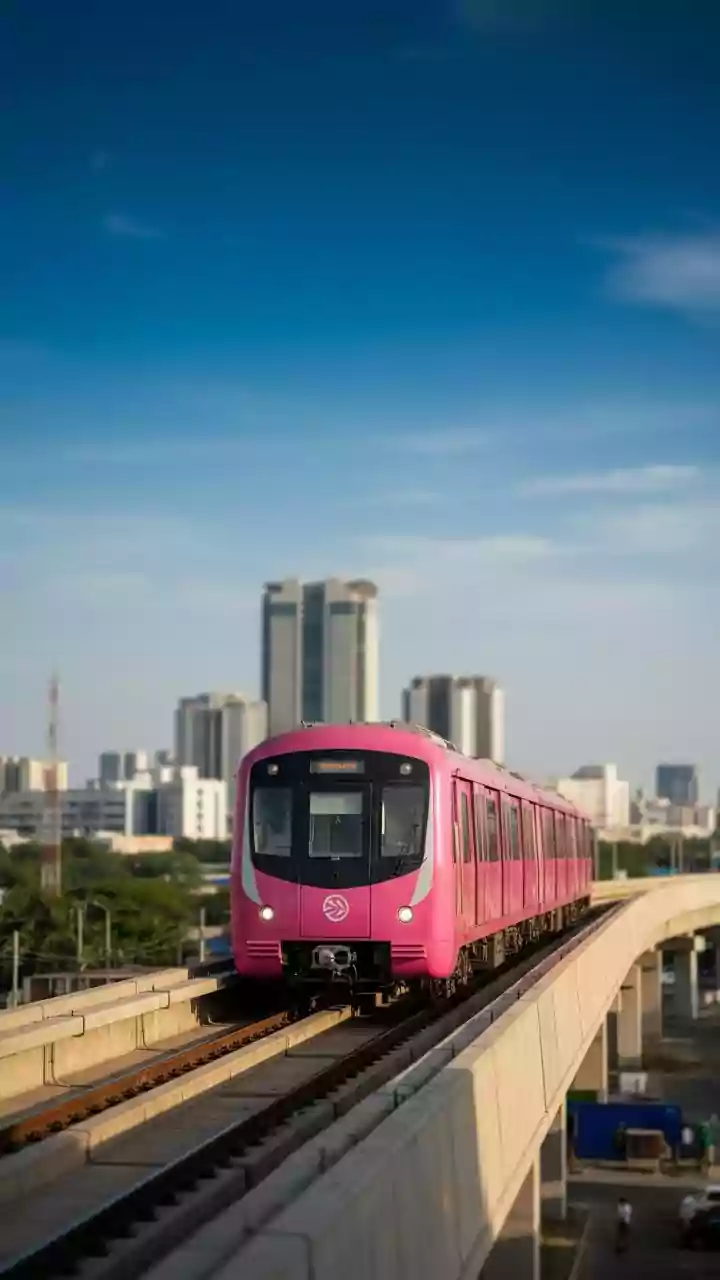
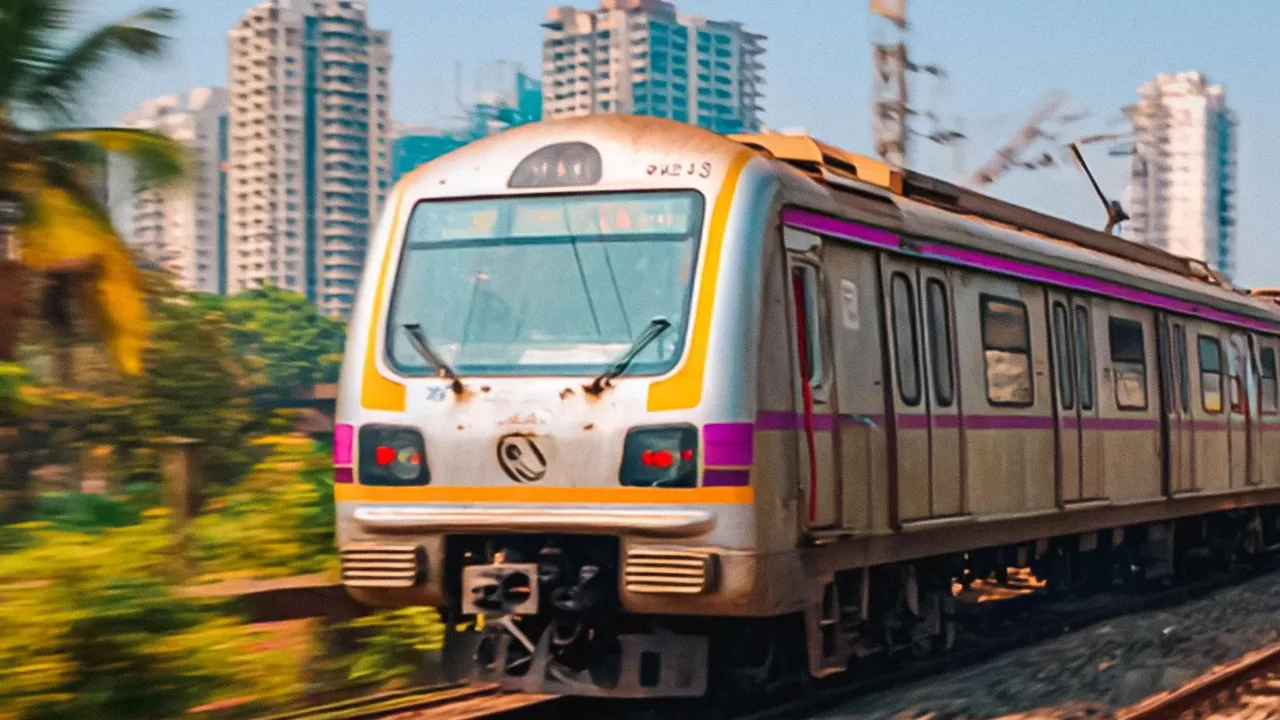
Delhi's experiment with driverless trains has proven to be a remarkable success. Officially termed Unattended Train Operation (UTO), the system debuted on the Magenta Line in December 2020. Today, 100 UTO trains operate across 120 kilometres of the Magenta and
Pink Lines, constituting nearly a third of the entire network. This modern system recently hit a major milestone on November 2, 2026, when 1.6 million commuters used the driverless services in a single day during the pre-Diwali rush. This means that on that day, one in every five passengers on the massive Delhi Metro network travelled on an automated train, a figure that underscores growing public acceptance and reliance on the technology. The Delhi Metro Rail Corporation (DMRC) plans to expand the driverless network to nearly 200 kilometres, further solidifying its position as one of the largest automated metro networks in the world.
The Promise of an Automated Future
The benefits of driverless technology, which operates using Communication-Based Train Control (CBTC), are clear and compelling. For commuters, it means higher frequency of trains, greater punctuality, and enhanced safety. Automation drastically reduces the possibility of human error, which is a significant factor in train operations. According to DMRC's Managing Director, Vikas Kumar, driverless operations offer more flexibility, which helps improve the availability of coaches and boosts the overall reliability of the service. The trains perform exhaustive self-tests before starting their runs, ensuring mechanical and electrical soundness without manual oversight. This efficiency is a key reason why proponents are pushing for wider adoption, arguing it's a necessary step to modernise India's rapidly growing urban transport infrastructure.
The High Cost of Going Driverless
Despite the clear advantages, a nationwide rollout faces significant headwinds, with cost being the primary obstacle. Implementing UTO technology requires a massive upfront capital investment. This includes not only the sophisticated trains themselves but also the advanced signalling infrastructure (CBTC) and high-tech control centres required to run the system safely and efficiently. For new metro projects, building in driverless capabilities from the start is more feasible, as seen in plans for Mumbai and Chennai's upcoming lines. However, retrofitting older metro networks in cities like Kolkata would be prohibitively expensive and complex. This financial barrier is a major reason why the government has not yet formulated a unified national policy for a driverless metro expansion, leaving the decision to individual city authorities.
Jobs, Policy, and the Path Forward
Beyond the finances, there is the sensitive issue of job displacement. The prospect of making thousands of train operators redundant is a significant socio-political concern. However, the DMRC offers a potential solution. It has successfully redeployed all its operators from driverless lines to other crucial roles like station management and crowd control, ensuring no layoffs occurred. This strategy could serve as a model for other cities. Still, some experts caution against blindly following global trends. Sudhanshu Mani, a former top railway official, argues that India, with its lower staffing costs compared to developed nations, should conduct its own cost-benefit analysis rather than simply importing a model that works elsewhere. Metro services are now operational in 26 Indian cities, and each will have to weigh Delhi's operational wins against its own economic realities and employment concerns before committing to a driverless future.