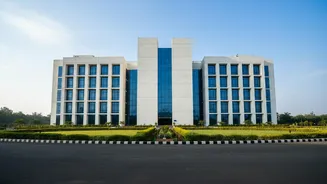









First, What Are Terminal Kitchens?
Often called 'cloud kitchens' or 'ghost kitchens', terminal kitchens are centralised, large-scale food production facilities built exclusively for delivery. Unlike a traditional restaurant, they have no storefront or seating for customers. Instead, they operate
as a hub, sometimes preparing food for multiple brands simultaneously, all dispatched through online aggregators and delivery platforms. This model allows for massive efficiency and scale, making them a dominant force in the urban food landscape. However, their size and complexity also present unique challenges for food safety regulation, which the Food Safety and Standards Authority of India (FSSAI) is now addressing.
The FSSAI's Big Regulatory Reshuffle
In early 2026, the FSSAI rolled out the Food Safety and Standards (Licensing and Registration of Food Businesses) Amendment Regulations, which came into force on April 1, 2026. The most significant change was a major revision of the turnover thresholds that determine what kind of license a food business needs. Previously, any business with an annual turnover above ₹20 crore required a Central License. Under the new rules, this bar has been raised significantly: only businesses with an annual turnover exceeding ₹50 crore now require a Central License based on revenue alone. Businesses with a turnover between ₹1.5 crore and ₹50 crore now fall under the State License category.
Why 'More Defined' Supervision Matters
On the surface, raising the turnover threshold might seem like a loosening of central control. However, the new framework creates a more defined and targeted system. The term 'supervision' is no longer just about which office issues the license; it's about clarity, risk, and enforcement. The ₹50 crore threshold creates a clear line, ensuring that only the largest operators are managed directly by the central authority on the basis of turnover. But turnover is not the only factor. A Central License remains mandatory for any business operating in multiple states, importing food products, or supplying to central government agencies like the railways, regardless of their annual revenue. This ensures that businesses with complex, cross-border operations—a common model for large terminal kitchen chains—are still subject to unified central oversight.
A Shift from Paperwork to Performance
Two other major reforms are key to understanding the new supervisory approach. First, FSSAI licenses now have perpetual validity, meaning they don't need to be periodically renewed as long as the business remains compliant and pays its annual fees. This change frees up both businesses and regulators from administrative burdens. Second, the FSSAI is moving towards a risk-based inspection system. Instead of routine checks for all, inspections will be prioritized based on factors like the type of food handled, past compliance records, and audit results. For large terminal kitchens dealing with high-risk products or complex supply chains, this could mean more focused scrutiny, as regulatory resources are directed where they are most needed. Recent crackdowns and license suspensions for hygiene lapses show that enforcement is becoming a higher priority.
The Impact on Businesses and Consumers
For food businesses, these changes mean a clearer regulatory path. Some mid-sized operators previously needing a central license may now only require a state license, simplifying their compliance. For the largest players, the rules are unambiguous. The shift to perpetual licenses and risk-based audits means the focus is now squarely on maintaining high operational standards every day, not just passing a scheduled inspection. For consumers, the goal of this reformed supervision is greater trust and safety. By ensuring the largest and most complex kitchens are governed by clear central rules and that all kitchens are subject to smarter, risk-based oversight, the system aims to guarantee that the meal arriving at your door is not only convenient but also safe and hygienic.