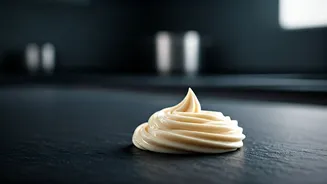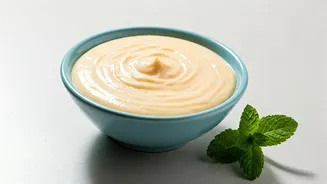







Why Almond Curd Is a Game-Changer
For anyone who loves the cooling, tangy presence of curd (dahi) in their meals, going dairy-free can feel like a major sacrifice. Store-bought vegan yogurts can be expensive and often contain additives. This is where homemade almond curd steps in as a brilliant
alternative. It delivers a rich, creamy texture and can be cultured to achieve that familiar tangy flavour we know and love. It’s not just a substitute; it's a delicious, plant-based staple in its own right. Perfect for meal prepping, a single batch can be used throughout the week to add a luxurious finish to chilled soups, blend into smoothies, or serve as a side with your favourite dishes.
The Secret to a Silky-Smooth Texture
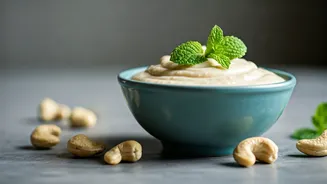
The difference between grainy, unappealing nut milk and a truly luxurious curd lies in the technique. This is the 'hack' part of the recipe. The first non-negotiable step is to use blanched almonds. Almond skins contain tannins that can impart a slightly bitter taste and, more importantly, a gritty texture. You can buy them blanched or do it yourself by soaking raw almonds in hot water for about 10 minutes until the skins slip off easily. The second key is a long soak—at least 8 hours, or overnight. This softens the nuts significantly, making them easier to blend into a completely smooth paste. Finally, a high-powered blender is your best friend here. It will pulverise the soaked nuts into a creamy liquid that’s essential for a good curd. Don't rush this step; let the blender run for a few minutes until you can't feel any grit.
Step-by-Step: Your Almond Curd Recipe
Ready to make it? Here’s a simple, reliable recipe. **Ingredients:** - 1 cup blanched almonds, soaked overnight in water - 2.5 to 3 cups of fresh water (use less for a thicker curd) - 2 to 4 green chilli crowns (the top stem part) OR 1 tablespoon of a non-dairy yogurt starter **Instructions:** 1. Drain your soaked almonds and rinse them thoroughly. 2. Add the almonds to a high-speed blender with 2.5 cups of fresh water. Blend on high for 2-3 minutes until the mixture is completely smooth and creamy. If you want a thinner curd, add the remaining half cup of water. 3. (Optional but recommended for the smoothest result) Strain the almond milk through a nut milk bag or a fine-mesh sieve lined with cheesecloth. Squeeze well to extract all the liquid. The leftover almond pulp can be saved and used in baking or parathas. 4. Gently warm the almond milk in a saucepan over low heat until it's lukewarm—not hot. If you have a thermometer, aim for around 40-45°C. This creates the ideal environment for the culture to thrive. 5. Pour the warm milk into a clean glass or ceramic bowl. Add your starter—either the chilli crowns or the non-dairy yogurt culture—and stir gently once. 6. Cover the bowl and leave it in a warm, dark place (like an oven with the light on) for 8-12 hours, or until the curd is set and has a pleasant tangy smell. Do not disturb it during this time. 7. Once set, refrigerate for at least 4 hours before using. The curd will thicken further as it chills.
Perfect for Chilled Summer Soups
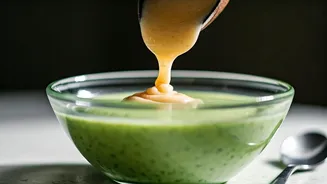
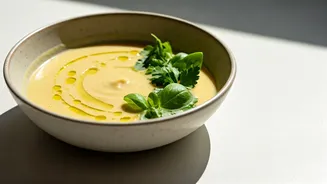
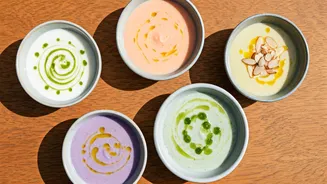
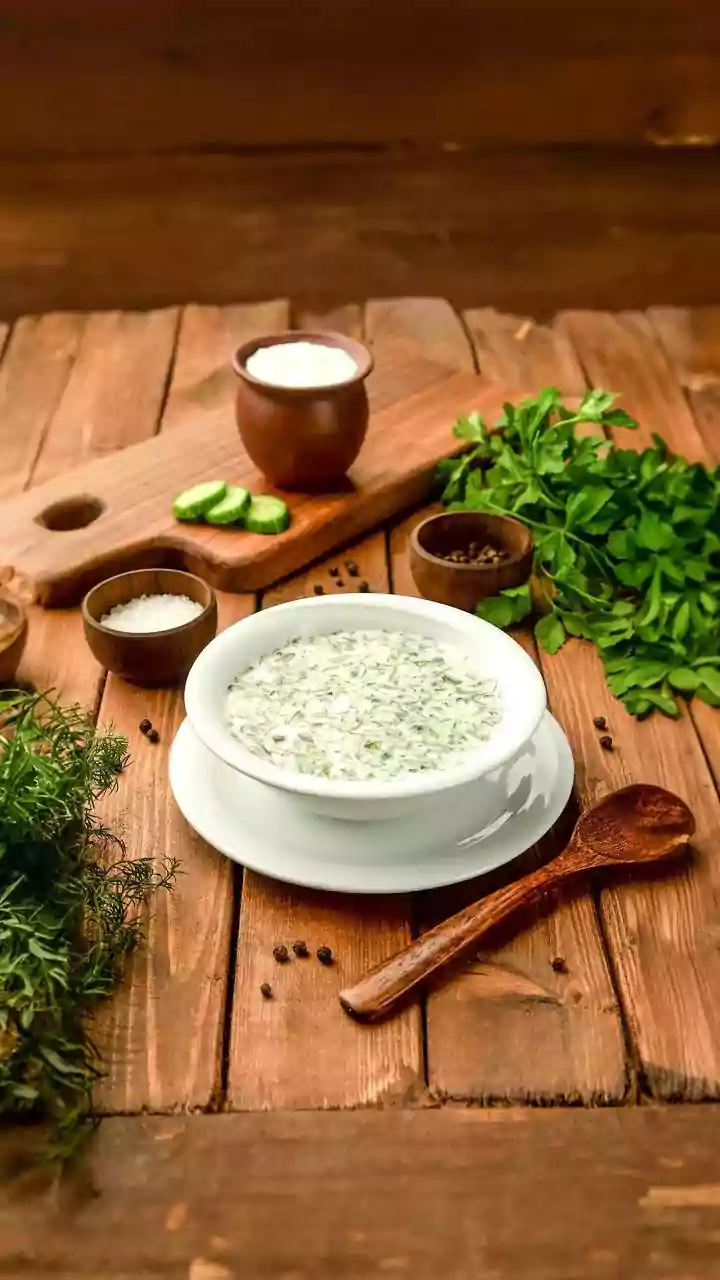
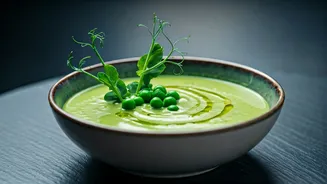
Now for the best part: using your creamy almond curd. Its smooth consistency and tangy profile make it a perfect finishing touch for chilled soups, adding richness without the heaviness of dairy cream. It beautifully balances sweet or earthy flavours and provides a cooling contrast on a hot day. Simply swirl a generous spoonful into the soup just before serving. Here are a few ideas: - **Chilled Cucumber and Mint Soup:** The tang from the almond curd perfectly complements the fresh, cool flavours of cucumber and mint. - **Cold Beetroot Soup:** The earthy sweetness of beetroot is wonderfully balanced by a dollop of creamy curd, which also creates a stunning visual swirl. - **Spicy Carrot and Ginger Soup (Served Cold):** The heat from the ginger and spices is tempered by the cooling curd, creating a complex and refreshing flavour profile. You can even blend the curd directly into the soup for an all-over creamy texture.