



How Antibiotics Affect Your Gut
Antibiotics are powerful medicines essential for fighting bacterial infections. They work by killing harmful bacteria or preventing them from multiplying. While they are life-saving, they don't always distinguish between good and bad bacteria. In clearing
out an infection, they can also deplete the beneficial bacteria that live in your gut. This community of microorganisms, known as the gut microbiome, plays a vital role in digestion, immunity, and overall health. This disruption is why some people experience side effects like diarrhoea and stomach upset while taking antibiotics. A healthy, diverse microbiome is resilient, but antibiotics can reduce this diversity, making the gut more vulnerable.
The Sugar Connection: New Evidence
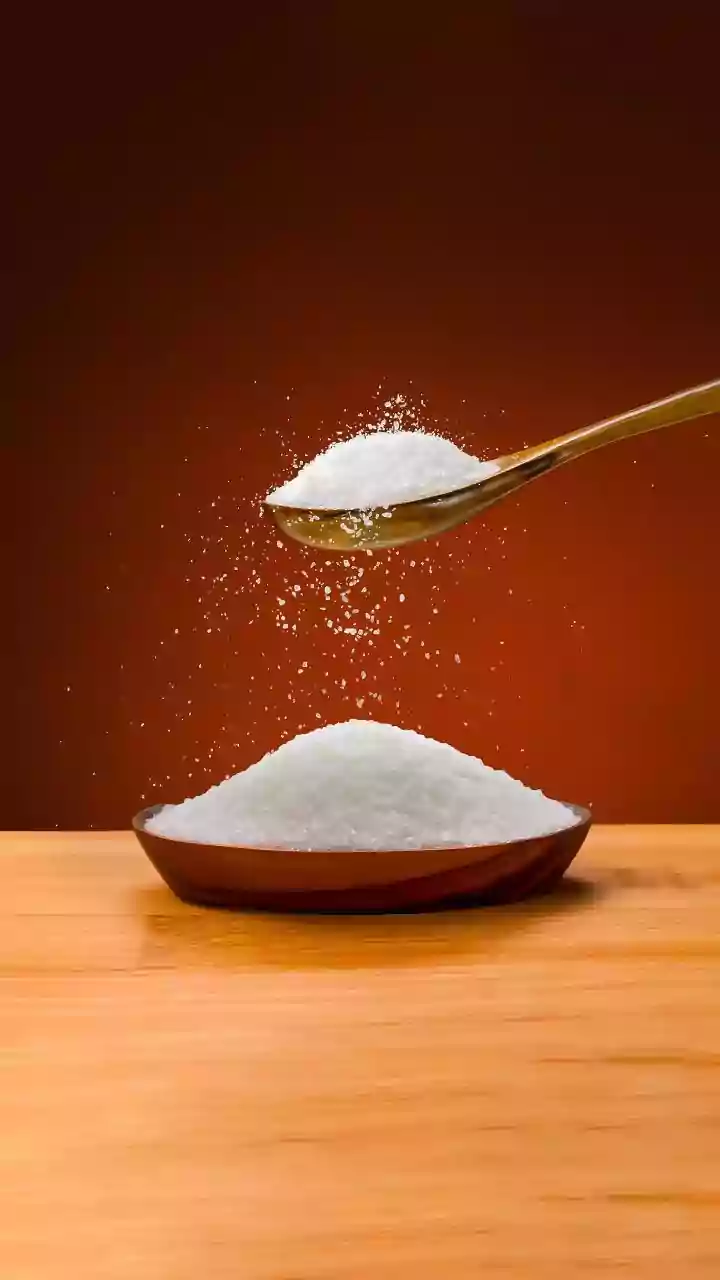
Recent research has uncovered a compelling connection between dietary sugar and the impact of antibiotics on the gut. A major study published in the journal Nature in September 2026 found that consuming sugary foods and drinks while taking antibiotics could amplify the damage to the microbiome. Researchers tracked hospitalized patients and found that high sugar consumption before and during antibiotic treatment led to a significant drop in the variety of healthy gut bacteria. For every 100 grams of sugar consumed, there was a notable reduction in microbial diversity. This is roughly the amount of sugar in some nutritional shakes or two cans of soda.
Why This Matters for Recovery
The combination of antibiotics and a high-sugar diet appeared to create an environment where less desirable microbes could thrive. The new research specifically showed that this combination led to a large increase in the population of a bacterium called Enterococcus faecium. This bacterium is linked to hard-to-treat infections, especially in hospital settings. Essentially, while antibiotics clear out many bacteria, the sugar may provide a ready source of fuel for the opportunistic ones that survive, allowing them to multiply rapidly. Researchers suggest that the sugar acts as an 'amplifier' of the disruption caused by the antibiotics.
Smarter Eating on Antibiotics
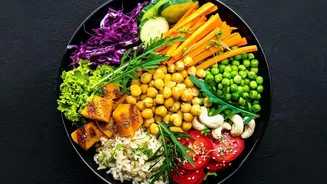
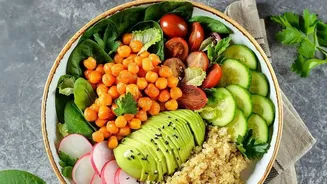
This new evidence doesn't mean you must eliminate all sugar, but it does suggest being mindful, especially of added sugars in sweets, sodas, and even some health drinks. The focus should be on supporting your gut's recovery. You can start this even during your antibiotic course. Prioritise fibre-rich foods like whole grains (oats, brown rice), pulses (dal, chickpeas), and vegetables. These foods act as prebiotics, which are fuel for your good gut bacteria. Also include fermented foods like plain curd (yoghurt) and buttermilk. These are natural sources of probiotics—the beneficial bacteria themselves. If you eat curd, try to have it at least two hours apart from your antibiotic dose to give the live cultures a better chance of reaching your gut.
A Diet for a Healthy Comeback
While you are on medication, it's best to lean on simple, nourishing meals. Think of comforting foods like khichdi with ghee, dal with rice, and vegetable soups. These are easy to digest and provide the nutrients your body needs to heal. Fruits like bananas and apples are also excellent choices. For the first couple of weeks, try to limit heavily processed items, fried foods, and drinks with a high sugar content. The goal is to reduce the burden on your digestive system and create the best possible conditions for your beneficial gut bacteria to repopulate and restore balance.