





The Allure of the Green Season
For years, the period from late July to September was considered the off-season for Indian tourism. But a shift in perspective is revealing this 'shoulder season' for what it truly is: a hidden gem. The primary draw is the landscape itself. After months
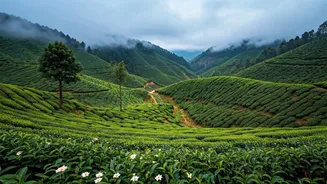
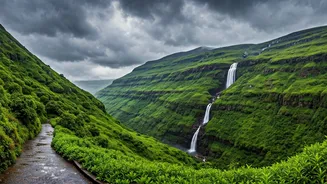
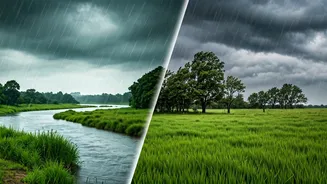
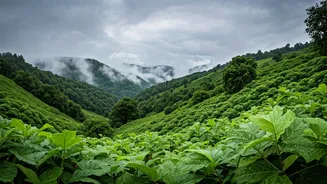
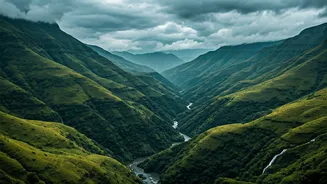
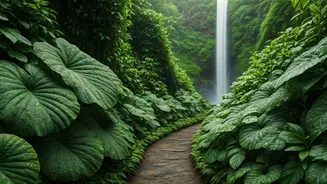
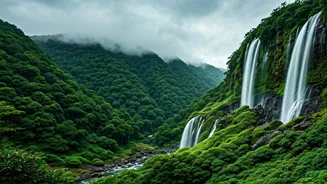
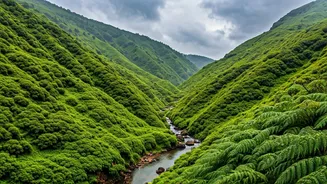
of rain, the country is reborn. Waterfalls that are mere trickles in May become roaring cascades. The hills and forests of the Western Ghats, from Coorg and Chikmagalur in Karnataka to Munnar and Wayanad in Kerala, are at their most vibrant. Beyond the visual splendour, there are practical benefits. With fewer tourists, popular destinations feel more intimate and less crowded. This can also translate into significant savings, with some hotels and resorts offering discounts of up to 50% compared to the peak winter season. It's a chance to experience India in its most lush, tranquil, and budget-friendly state.
Navigating the Challenges
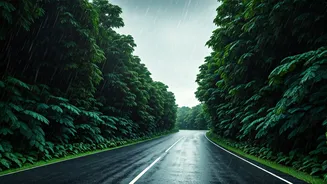
Of course, travelling right after heavy rains comes with its own set of challenges. It's not a season for spontaneous, unprepared trips. Road conditions can be unpredictable, with the risk of landslides in hilly areas like Uttarakhand and slowdowns due to waterlogging in plains. Recent weather advisories from the India Meteorological Department (IMD) for late June 2026, for example, warned of heavy rainfall in several northern and central states, urging travellers to prepare for potential road closures and delays. Driving requires extra caution. Wet roads increase braking distances, and visibility can be poor. It's crucial to reduce speed, maintain a safe distance from other vehicles, and avoid driving through large puddles that could conceal deep potholes. If you are planning a road trip, ensure your vehicle's tyres, brakes, and wipers are in top condition before you set off.
Where to Go: Post-Monsoon Hotspots
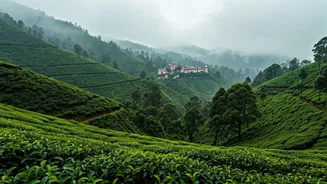
While some regions are best avoided, others truly come alive post-monsoon. The hill stations of Maharashtra, like Lonavala, Mahabaleshwar, and Igatpuri, are transformed into green paradises with misty valleys and gushing waterfalls. In the south, the trekking trails of Karnataka burst into life, offering stunning adventures in places like Kudremukha and Tadiandamol. Kerala, often called 'God's Own Country', is particularly enchanting, with its backwaters full and tea gardens looking like a saturated green canvas. If you prefer culture and heritage over trekking, consider Hampi in Karnataka, where the Tungabhadra river is full and the surrounding boulder-strewn landscape has a fresh, clean look. Even Rajasthan's lake city, Udaipur, offers a unique charm as the water bodies are replenished and the Aravalli hills are at their greenest.
Pack Smart, Travel Smarter
Packing for a post-monsoon trip is a science. The key is to be prepared for both rain and humidity. Quick-dry clothing made from synthetic fabrics is your best friend, as cotton takes a long time to dry in damp conditions. A lightweight waterproof jacket and a compact umbrella are non-negotiable. For footwear, choose waterproof sandals with a good grip or quick-dry sneakers; avoid heavy leather shoes. Since moisture can attract insects, a reliable mosquito repellent is essential. It's also wise to carry a basic first-aid kit with antiseptic cream and any personal medications. Protect your electronics by using waterproof pouches or dry bags. Finally, given the potential for travel disruptions, allow for flexibility in your itinerary. Booking flights or trains with a buffer day can save you a lot of stress.