







What Exactly Is Ambali?
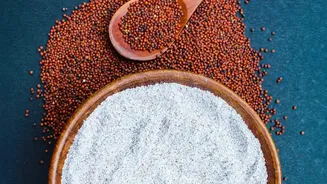
Ambali, also known as Ragi Ambali or Ganji, is a traditional beverage from South India, particularly popular in states like Karnataka, Andhra Pradesh, and Telangana. At its core, it's a porridge or drink made from finger millet (ragi) flour. The process
is elegantly simple: ragi flour is cooked with water to form a paste. This mixture is then allowed to ferment, often overnight. This crucial fermentation step is what gives the drink its characteristic mild, tangy flavour and transforms it into a nutritional powerhouse. It can be served savoury, commonly mixed with buttermilk, salt, chopped onions, and spices, or as a sweet version with jaggery.
A Sip of History: The Farmer's Fuel
For centuries, Ambali wasn't a trend; it was a lifeline. In rural communities, this beverage was the go-to fuel for farmers and labourers, consumed at the start of the day to provide sustained energy and hydration under the hot sun. Its reputation as a cooling food, as mentioned in Ayurvedic principles, made it essential for beating the summer heat. Rich in nutrients and incredibly filling, Ambali was a cornerstone of sustenance, a testament to the age-old wisdom of using local grains to create foods perfectly adapted to the climate and the physical demands of life. This was long before terms like 'superfood' or 'probiotic' entered our vocabulary.
The Probiotic Powerhouse
The modern appeal of Ambali lies in the ancient science of fermentation. This natural process enriches the simple millet porridge with probiotics—the beneficial live bacteria crucial for a healthy gut microbiome. Similar to yoghurt or kefir, these probiotics support digestion and overall gut health. Fermentation also does something remarkable: it breaks down anti-nutrients like phytic acid present in the millet. This reduction makes essential minerals abundant in ragi, such as calcium and iron, more bioavailable, meaning the body can absorb and use them more effectively. Ragi is one of the richest plant-based sources of calcium, making Ambali an excellent drink for bone health.
From Rural Staple to Urban Elixir
So, why is this rustic drink suddenly appearing on urban cafe menus? It’s a convergence of several modern wellness trends. There is a massive global interest in gut health and fermented foods like kombucha and kimchi. Ambali is India’s own time-tested answer to this movement. As health-conscious urban consumers seek out natural, functional foods, Ambali fits the bill perfectly. It’s gluten-free, nutritious, and rooted in authenticity—qualities that resonate deeply with today’s diners. This revival is part of a broader cultural reclamation, a movement to celebrate and elevate indigenous food knowledge that was often overlooked.
The Modern Café Makeover
Urban cafes aren’t just reheating an old recipe; they are reimagining it. While the soul of Ambali remains traditional, its presentation is getting a contemporary refresh. Instead of a simple tumbler, you might find it served chilled in a stylish glass, garnished with fresh mint, or infused with new flavour twists. This aesthetic upgrade makes it more approachable and 'Instagram-worthy' for a younger clientele. By placing Ambali alongside established global wellness drinks, cafes are making a powerful statement: that India's culinary traditions are just as valuable, healthy, and trendy.