






The Need for Speed: Why Short Flights Win
The days of saving up for one long annual vacation are fading. Today's Indian traveller, particularly millennials and Gen Z who now account for a staggering nine out of ten international trips, prefers multiple shorter getaways. This shift is driven by
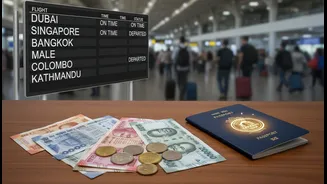
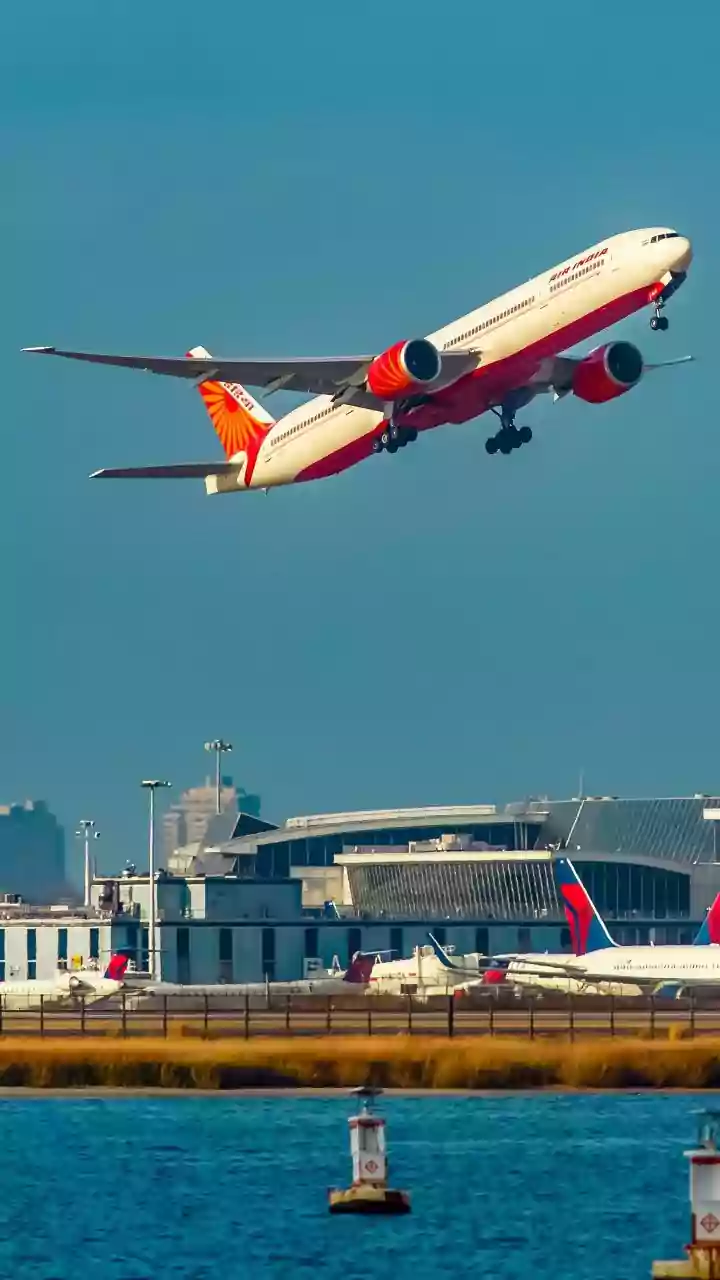
a desire for quick escapes to recharge, often blending work and leisure in a 'bleisure' model. Consequently, destinations that are a short flight away have seen a massive surge in popularity. Countries in Southeast Asia and the Middle East, such as Thailand, Vietnam, and the UAE, are reaping the benefits. With direct flights from major Indian metros taking between four to six hours, these locations are perfect for a long weekend, eliminating the exhaustion and expense of long-haul travel. The convenience of being able to make a spontaneous decision to travel is a powerful motivator for this digitally-savvy generation.
The Visa Hurdle: A Dealbreaker for Modern Tourists
Perhaps nothing kills travel enthusiasm faster than a complicated visa application. The tedious paperwork, long waiting times, and uncertainty associated with visa processes for destinations like the US and many European nations are significant deterrents. In response, Indian travellers are voting with their feet, flocking to countries that offer visa-free entry, visa-on-arrival, or a simple e-visa process. As of early 2026, Indian passport holders can enter over 50 countries without a prior visa. Destinations like Thailand, Malaysia, Sri Lanka, and the Maldives have made themselves incredibly attractive by removing this friction point. This ease of access enables the spontaneity that younger travellers cherish. The message to global tourism boards is clear: a welcoming visa policy is no longer a bonus, it's a fundamental requirement to attract one of the world's fastest-growing travel markets.
Redefining 'Value for Money'
The demand for 'better value' is often misunderstood as a search for the cheapest possible option. For the new Indian traveller, value is a more complex equation. It’s about maximising experience, not just minimising cost. While budget-friendly destinations are certainly popular, travellers are willing to increase their spending for unforgettable experiences. Value means finding destinations where their money goes further, enjoying authentic local food, and securing comfortable, well-located accommodation without paying a premium. It also means getting more out of a trip, whether through cultural immersion, adventure, or unique shopping opportunities. Destinations like Vietnam, Cambodia, and even parts of Eastern Europe are gaining traction because they offer this blend of affordability and rich, authentic experiences. In some cases, a trip to Thailand or Vietnam can be comparable in cost to domestic travel within India, making the choice for an international stamp in the passport an easy one.
The New Face of Indian Tourism
Underpinning these trends is a demographic shift. The modern Indian international traveller is younger, more likely to travel solo, and makes decisions based on digital research and social media influence. This generation is experience-driven, valuing personal growth and authentic connections over simply checking off landmarks. They are confident, independent planners who use online tools to find the best deals on flights and hotels and to arrange e-visas. Their travel style is flexible, often preferring to mix and match hotels with homestays and rigid itineraries with spontaneous exploration. This shift away from large family group tours towards solo and small-group travel further fuels the demand for convenience and hassle-free logistics that define the current landscape of Indian outbound tourism.