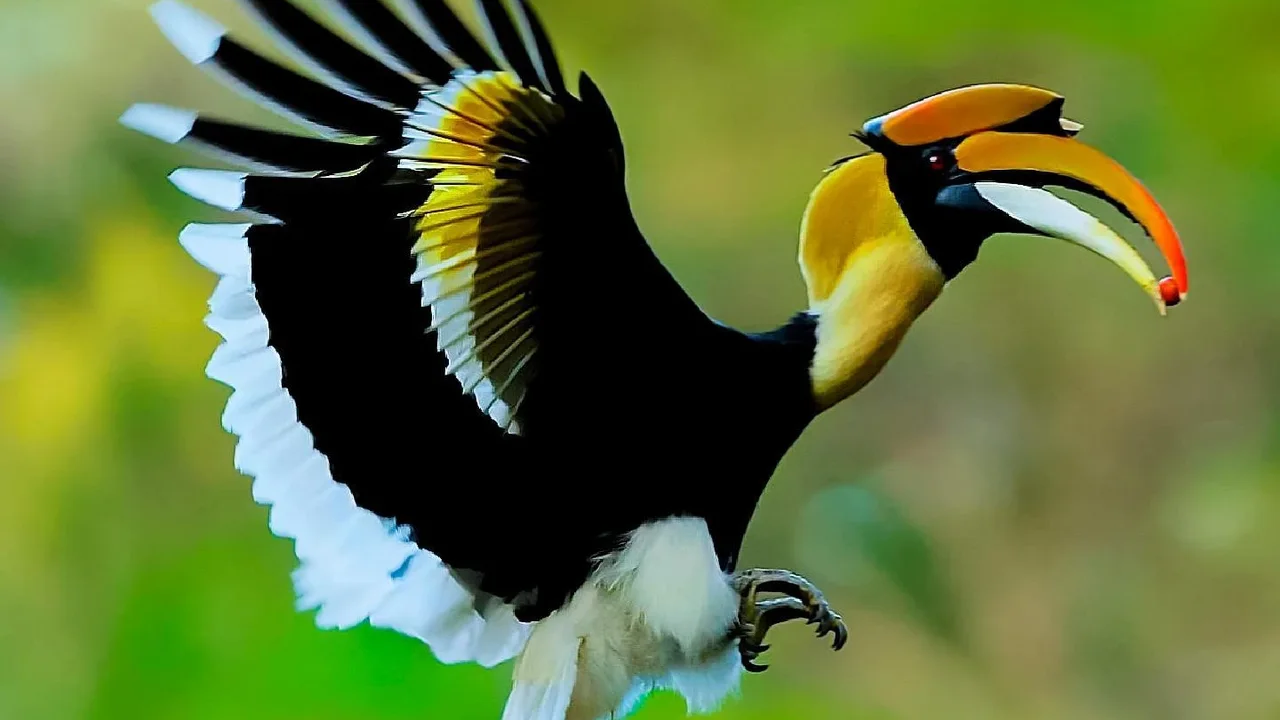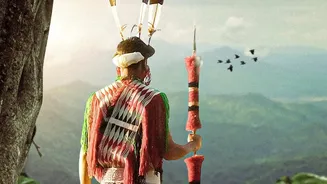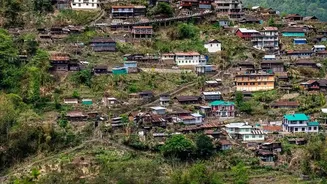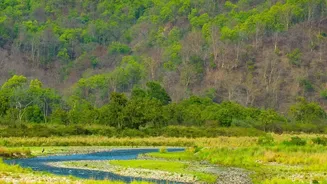






Nagaland's Hornbill Festival is more than an event; it's a vibrant immersion into the culture of its many tribes. To make your journey truly unforgettable, plan beyond the festival grounds to discover the history, nature, and villages of this unique state.
First, The Main Event: Hornbill Festival
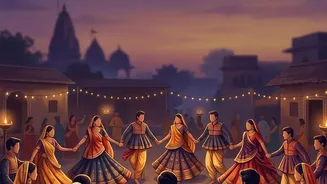
The Hornbill Festival, scheduled from December 1st to 10th, 2026, is a spectacular gathering of Nagaland's tribes at the Kisama Heritage Village, about 12 km from Kohima. Often called the 'Festival of Festivals', it's your chance to witness traditional dances, music, food, and crafts in one place. Plan to spend at least two full days at Kisama. Arrive early to avoid traffic and catch the morning performances when energy is highest. The afternoons are perfect for exploring the morungs (traditional tribal dormitories), sampling local dishes like smoked pork with bamboo shoot, and shopping for handmade crafts. The festival grounds typically close in the late afternoon, with evening music concerts and night markets often held back in Kohima town.
Around Kohima: History and Local Life
Once you've soaked in the festival, explore the state capital, Kohima. The most poignant site is the Kohima War Cemetery, a beautifully maintained memorial to the soldiers who died during the intense Battle of Kohima in World War II. It's a place of quiet reflection. For a deeper dive into local culture, visit the Nagaland State Museum, which houses a rich collection of artifacts from the state's different tribes, giving context to what you see at the festival. Don't miss a walk through the bustling local markets, where you can see, smell, and taste the ingredients that form the backbone of Naga cuisine. A visit to the Kohima Cathedral, a prominent architectural landmark, offers panoramic views of the city.
A Day Trip to Khonoma: The Green Village
Just 20 km from Kohima lies Khonoma, known as India's first 'green village'. This Angami Naga village is a remarkable story of community-led conservation, where residents banned hunting in 1998 to protect the local ecosystem and the endangered Blyth's tragopan. A day trip is easily manageable, but an overnight stay in a homestay offers a deeper experience. Hire a local guide to walk you through the village's stone gateways, terraced paddy fields, and historic forts that tell stories of resistance against the British. The village is a testament to how tradition and ecological wisdom can coexist, making it a rewarding contrast to the high energy of Hornbill.
For the Adventurous: The Dzukou Valley Trek
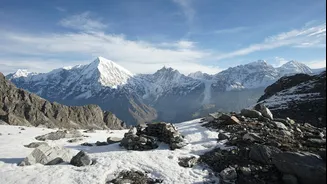
If you have a few extra days and a love for the outdoors, the Dzukou Valley trek is a must-do. Often called the 'Valley of Flowers of the Northeast', this high-altitude valley on the Nagaland-Manipur border is famous for its rolling, treeless meadows that resemble a manicured lawn. The trek is considered moderate, involving a few hours of steep climbing before opening up to the breathtaking valley floor. While the famous Dzukou lily blooms in the monsoon, the clear skies and pleasant weather of late November and December make it a great time for trekking. Most treks start from the villages of Viswema or Jakhama, a short drive from Kohima. You can do it as a long day trip, but staying overnight in the basic guesthouse allows you to witness a spectacular sunrise.
Go Deeper: A Trip to Mokokchung
To experience a different side of Nagaland, consider extending your trip to Mokokchung, the cultural heartland of the Ao Naga people. Located a few hours' drive from Kohima, Mokokchung offers a glimpse into a region known as the 'Land of Pioneers' for its role in the state's history and the advent of Christianity. Explore nearby villages like Longkhum, known for its rhododendron-covered hills, and Mopungchuket, a rural tourism village with a museum and beautiful sculptures. A visit to the Langpangkong caves adds another layer of history and legend to your journey. This detour provides a quieter, more intimate look at Naga life away from the festival crowds.
Essential Planning and Permits
Travel to Nagaland requires some advance planning. The main entry point is Dimapur, which has the state's only airport and major railway station. From Dimapur, it's a 2–3 hour drive to Kohima. Accommodation in and around Kohima gets booked months in advance for the festival, so reserve your stay by October at any latest. Most importantly all domestic tourists from outside Nagaland must obtain an Inner Line Permit (ILP). This can be easily applied for online through official Nagaland government portal for fee and is usually valid for 30 days Foreign tourists require Protected Area Permit (PAP) and must register with Foreigner Registration Office (FRO) upon arrival rule that was recently reinstated.