






The Real Monsoon Enemy: Humidity
While we celebrate the rain, the true challenge for indoor comfort during the monsoon is humidity. When the air is saturated with moisture, it creates a host of problems that go beyond feeling sticky. This damp environment is the perfect breeding ground
for mould, mildew, and dust mites, which can trigger allergies and respiratory issues. High humidity also gives rise to musty odours, makes clothes difficult to dry, and can even cause damage to wooden furniture and walls. Effectively, the air inside your home becomes heavy and harder to breathe, impacting both your comfort and your health.
The Critical Choice You Must Make
To combat this, you need to make a strategic decision about how to control your indoor environment. This one choice is between relying on your air conditioner (AC) or investing in a dedicated dehumidifier. While both appliances can remove moisture from the air, they are designed for different primary purposes and excel in different scenarios. An AC's main job is to cool the air, with dehumidification being a secondary benefit. A dehumidifier's sole purpose is to extract moisture. Understanding this distinction is the key to achieving a truly comfortable and healthy home during the rainy season.
Air Conditioners: The Cooling Powerhouse
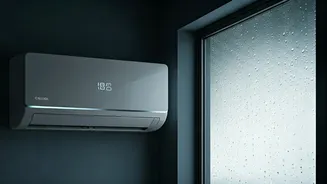
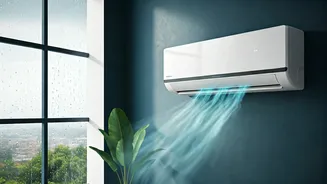
Your air conditioner is a powerful ally against heat. It works by drawing in hot, humid air and passing it over cold coils, which cools the air and causes some moisture to condense and drain away. Many modern ACs even feature a 'Dry Mode', which adjusts the fan speed and compressor cycle to enhance moisture removal without over-cooling the room. This can be effective on moderately humid days. However, an AC's dehumidifying action is often a byproduct of its cooling function. It only removes significant moisture when it's actively running to lower the temperature, which might not always be necessary or energy-efficient on a cool, rainy day.
Dehumidifiers: The Moisture Specialist
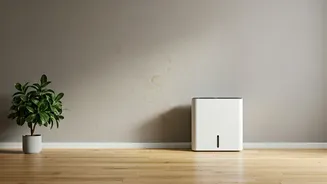
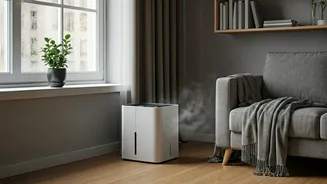
A dehumidifier is a specialist appliance designed to do one thing exceptionally well: remove excess moisture from the air. It draws air in, extracts the water, and releases drier air back into the room. Unlike an AC, it doesn't cool the space; in fact, it may slightly warm it. This makes it ideal for the monsoon, when you want to remove dampness without making the room uncomfortably cold. By maintaining an optimal humidity level (typically between 40-50%), a dehumidifier creates an environment where mould and dust mites cannot thrive, significantly improving air quality for allergy and asthma sufferers. It also helps clothes dry faster indoors and eliminates that pervasive musty smell.
Head-to-Head: Cost and Energy
When it comes to cost, the difference is significant. Dehumidifiers are generally cheaper to purchase than air conditioners and do not require professional installation. More importantly, they are far more energy-efficient for moisture control. Running a dehumidifier consumes considerably less electricity than running an AC, especially a central unit. If your primary problem is humidity and not high temperature, using a dehumidifier instead of your AC's cool or dry mode can lead to substantial savings on your monthly electricity bill.
The Verdict: Which Is Right For You?
The right decision depends entirely on your primary need. Choose an Air Conditioner if your main concern is lowering the temperature in a hot and humid environment. It's the best choice when you need powerful cooling, and its dehumidifying effect is a welcome bonus. Choose a Dehumidifier if your primary problem is the damp, sticky feeling of high humidity, especially on cooler rainy days. It's the superior and more economical choice for preventing mould, protecting belongings, and creating a healthier breathing environment without affecting the room's temperature. For many homes in India, where monsoon days can be cool but incredibly damp, a dehumidifier is the missing piece of the comfort puzzle.