

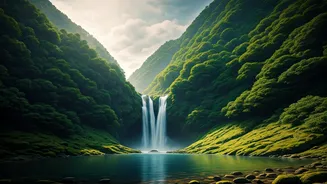


The Hoh Rainforest, Washington
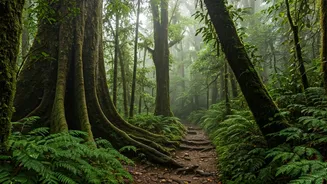
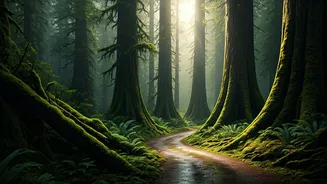
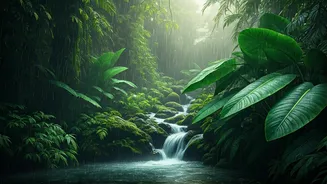
Step into the Hoh Rainforest on a damp, drizzly day and you’ll understand what green really means. Located in Olympic National Park, this temperate rainforest is defined by its precipitation—receiving an average of 140 inches of rain per year. This constant
moisture is the lifeblood of the 'Halls of Moss,' where ancient Bigleaf Maple and Sitka Spruce trees are draped in thick, velvety blankets of moss and ferns. The rain doesn't just water the plants; it intensifies the experience. Colors become impossibly deep, the forest floor softens underfoot, and the air fills with the rich, earthy scent of petrichor. The quiet drip of water from towering canopies creates a natural soundtrack, turning a simple walk into a meditative journey through a primeval world.
Bergen, Norway
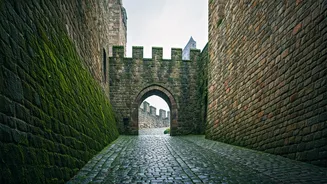
Locals in Bergen, one of Europe's rainiest cities, have a saying: 'There's no such thing as bad weather, only bad clothing.' Here, rain is not a bug; it's a feature. When the skies open up, the city’s iconic Bryggen wharf, a UNESCO World Heritage site, comes alive. The colorful wooden houses seem to glow against the gray sky, their reflections shimmering on the wet cobblestone streets. The rain encourages visitors to embrace the Norwegian concept of *koselig*—a feeling of coziness and contentment. Duck into a warm café for a skillingsbolle (cinnamon bun), watch the fishing boats bob in the harbor through a steamy window, and enjoy a city that feels both dramatic and deeply comforting in its element. The surrounding mountains, often shrouded in a light mist, add to the fjord-side fairy tale atmosphere.
The Scottish Highlands, Scotland
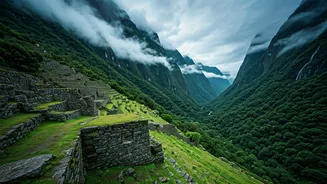
The raw, brooding beauty of the Scottish Highlands is inseparable from its moody weather. A sunny day is lovely, but a misty, rainy one is transcendent. Rain and fog roll across the glens, obscuring and then revealing dramatic peaks like something out of a fantasy epic. The landscape feels ancient and full of secrets. Waterfalls that are mere trickles in dry weather become roaring torrents cascading down the sides of mountains in Glencoe. The dark, mysterious waters of Loch Ness seem even more plausible as the home of a monster when shrouded in a persistent drizzle. The weather here isn't just a backdrop; it’s a character in the story of Scotland, enhancing the sense of history, myth, and untamed wilderness that makes the Highlands so captivating.
Monteverde Cloud Forest, Costa Rica
In Costa Rica's Monteverde, you don’t just get rained on—you walk directly through the clouds. This high-altitude ecosystem is famous for its persistent cloud cover, which blankets the forest in a cool, life-giving mist. This 'horizontal rain' is what makes the cloud forest one of the most biodiverse places on the planet. Every surface is dripping and covered in life: orchids, bromeliads, ferns, and mosses cling to every tree branch. Walking the suspended canopy bridges on a misty day is an otherworldly experience, with the world below fading into a sea of white. The calls of exotic birds, like the Resplendent Quetzal, echo through the fog, making you feel as though you’ve stepped onto a different planet, one where the air itself is water.
Cherrapunji, India
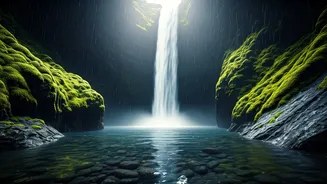
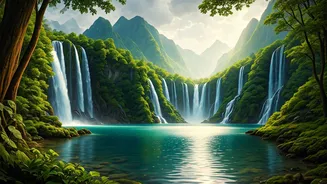
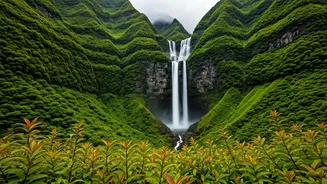
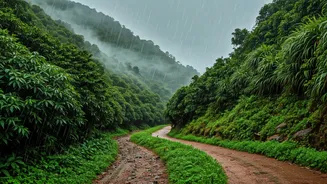
While many places on this list are enhanced by rain, Cherrapunji is defined by it. As one of the wettest places on Earth, this town in Meghalaya, India, experiences legendary monsoons. The rain isn't a gentle shower; it's a force of nature that has shaped the entire culture and landscape. The most stunning example is the living root bridges. For centuries, the local Khasi people have guided the roots of rubber trees across rivers, weaving them into sturdy, living structures that grow stronger with the rain. During the monsoon, the surrounding hills turn a brilliant, electric green, and hundreds of waterfalls, including the powerful Nohkalikai Falls, plunge from the cliffs with breathtaking force. It's a place to witness the awesome power and creative potential of water.