



Feeling overwhelmed by work but can't find the time for a long holiday? You're not alone. A growing number of Indian professionals are embracing the 'micro-vacation'—a short, refreshing break that promises a mental reset without the long-term planning.
The Rise of the Quick Escape
The traditional annual holiday is being replaced by a series of shorter, more frequent getaways. A micro-vacation is typically a trip lasting two to four days, often planned around a long weekend or taken spontaneously. For many professionals in cities like Delhi, Mumbai, and Bengaluru, the pressures of a demanding work life make shorter trips more practical and accessible. Instead of waiting months for a single long break, travellers are choosing to take multiple mini-breaks throughout the year to recharge their batteries. This trend is particularly strong among younger travellers, with one report noting that seven in ten Gen Z travellers in India prefer taking three short trips over one long annual holiday.
A Powerful Antidote to Burnout
The primary driver behind this trend is the pursuit of a better work-life balance and a proactive approach to mental health. In today's fast-paced work culture, burnout is a significant concern. Experts suggest that shorter, more frequent vacations can be more effective at reducing stress than a single long trip because they provide repeated opportunities to reset both physically and emotionally. Taking regular time away from daily stressors allows for a fresh perspective upon return, helping to decrease the risk of burnout and improve focus. These short breaks serve as a necessary pause, allowing the mind to recharge, which can lead to improved concentration and creativity.
The Psychology of a Short Break
Beyond just escaping work, micro-vacations offer distinct psychological advantages. The planning process for a short trip is far less daunting than organising a two-week holiday, which can sometimes create its own stress. Research has found that the anticipation of a vacation alone can significantly boost happiness. These quick getaways provide a dopamine boost, the hormone that makes you feel good, and are linked to lower risks of depression. A study found that just three days after a vacation, participants reported improvements in sleep quality and mood, with these benefits often lasting for weeks. This suggests that even a brief change of scenery can have a lasting positive impact on well-being.
How Indians Are Taking Micro-Breaks
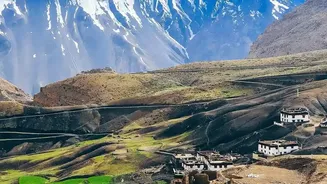
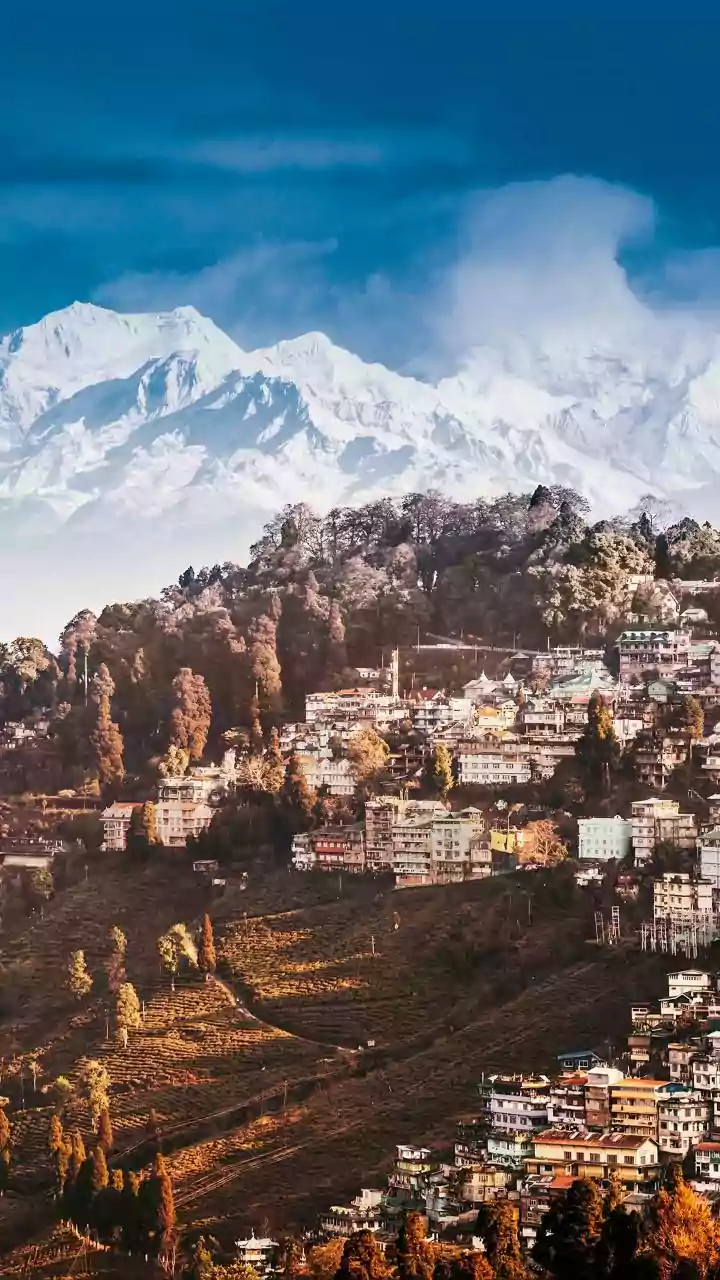
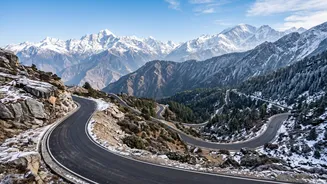
The trend has given rise to various travel styles. Spontaneous weekend trips are increasingly popular, with some reports indicating that many travellers book their stays just days before departure. Drivecations to destinations within a few hours of major cities have surged, with improved highways making road trips more appealing. Popular micro-vacation destinations include hill stations like Mussoorie and Coorg, coastal towns such as Alibaug and Pondicherry, and cultural hubs like Jaipur and Rishikesh. The concepts of 'staycations' (vacationing in one's home city) and 'workations' (working remotely from a leisure destination) have also become mainstream, allowing people to blend work and relaxation. Many now opt to work from a hotel in a scenic location, exploring in the evenings.
Planning Your Own Mental Reset
The key to a successful micro-vacation is to minimise stress and maximise relaxation. Choose destinations that are easy to reach to avoid long, tiring travel days. Instead of packing your itinerary, focus on one or two activities and leave ample time for spontaneous exploration or simple rest. The goal is not to see everything but to disconnect and recharge. Packing light and booking flexible accommodations can also reduce planning friction. More importantly, make a conscious effort to disconnect from work. Turn off email notifications and give yourself permission to be fully present. A true break comes from psychological separation from your daily responsibilities.