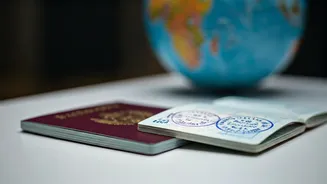






First Things First: Do You Need a Visa?
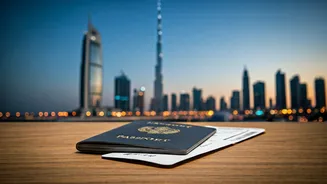
Yes, for the vast majority of Indian passport holders, a pre-arranged visa is mandatory to enter Dubai and the other six emirates of the UAE. While the idea of a spontaneous trip is appealing, arriving without the proper documentation will stop your holiday
before it starts. The entire visa process is electronic, meaning you receive an e-visa that you print and present at immigration. There is a key exception: a conditional 14-day visa on arrival is available for Indian citizens who hold a valid US visa (like a B1/B2), a US Green Card, or a valid EU residence permit. The qualifying document must have at least six months of validity. Recent changes in July 2026 mean that those who previously qualified using only a UK residence visa are no longer eligible for this facility and must now apply for a pre-arranged visa.
Decoding Your Dubai Visa Options
Dubai offers a menu of visa types to suit different travel plans. The most common for tourists are the 30-day and 60-day single-entry visas. These are ideal for a standard holiday. If you plan on making several trips, multiple-entry visas for 30 or 60 days are also available, though at a higher cost. For those with a layover, a 48-hour or 96-hour transit visa can be arranged, usually through your airline, allowing you to turn a stop into a mini-break. Most tourist visas are valid for entry for 60 days from the date they are issued, and the number of days you can stay (e.g., 30 or 60) begins from your date of entry.
The Application Pathway: How to Apply
You cannot apply for a tourist visa directly at a UAE embassy. Instead, you must use an authorised sponsor. For most travellers, this means applying through one of three main channels: through UAE-based airlines like Emirates, through a registered travel agency in India, or via online visa service providers. The process is entirely digital. You’ll submit scanned copies of your documents and pay the fee online. Once approved, the e-visa is sent to your email. This paperless system means you don't have to physically submit your passport. Processing time is typically three to five working days, although express services are often available for an extra fee.
Your Essential Document Checklist
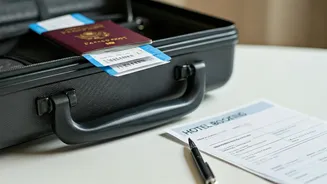
Getting your documents in order is the most critical part of the application. A small error can lead to delays or rejection. You will need clear, scanned colour copies of the first and last pages of your passport, which must be valid for at least six months from your intended date of entry. You will also need a recent passport-sized photograph with a white background that meets specific dimensions. Additionally, you must provide copies of your confirmed return flight tickets and proof of accommodation, such as hotel bookings for the duration of your stay. While not always required for the initial application, immigration officers might ask for proof of sufficient funds upon arrival.
Planning Your Budget: Costs and Timelines
Visa fees vary depending on the type and duration. As a general guide, a standard 30-day single-entry tourist visa typically costs around ₹7,800, while a 60-day visa might be in the range of ₹13,500. These prices can fluctuate and service fees from travel agents or online platforms are extra. It's wise to apply for your visa at least a month before your planned travel date to avoid any last-minute stress, even though standard processing takes less than a week. Remember that visa fees are non-refundable, even if your application is rejected, so ensure all your details are accurate before submitting.