




The Monsoon Feed Goes Gourmet
Scroll through Instagram Reels on any rainy evening and you’ll see it. A close-up shot of besan batter hitting sizzling hot oil, puffing up into a golden-brown pakoda. A slow-motion pan over a platter of perfectly steamed pithas, their subtle aroma almost
palpable through the screen. This isn't just about food; it's a mood. Content creators are capturing the essence of the Indian monsoon through its most beloved snacks. Accompanied by the soothing sounds of rainfall and the satisfying crunch of a first bite (hello, ASMR), these short videos have become a full-blown aesthetic. They tap into a collective craving, transforming the simple act of enjoying a rainy-day snack into a highly shareable, visually stunning experience.
A Tale of Two Comforts
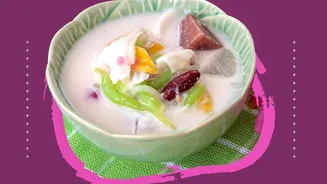
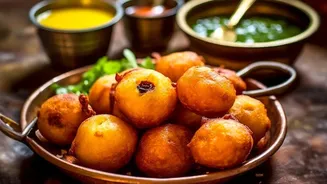
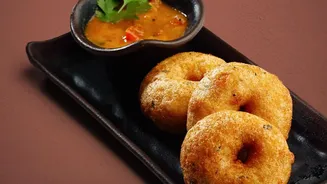
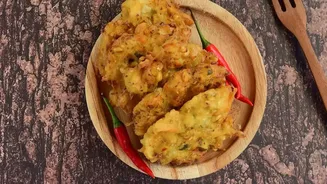
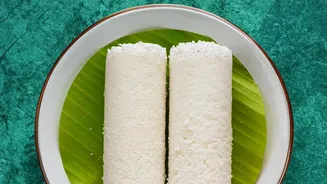
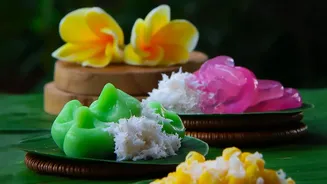
At the heart of this trend are two iconic, yet distinct, categories of Indian snacks. The pakoda, or bhajia, is a universal symbol of monsoon indulgence. Whether it’s made with onion, potato, spinach, or paneer, this deep-fried fritter offers an irresistible combination of a crispy exterior and a soft, flavourful interior. It’s the ultimate guilty pleasure, a warm and crunchy antidote to the cool, damp weather. On the other hand, the pitha represents a different kind of comfort. Predominantly from Eastern and North-eastern India, pithas are a diverse family of rice cakes that can be steamed, fried, or baked. The steamed versions, often filled with coconut, jaggery, or lentils, offer a soft, subtle, and wholesome warmth. Together, they represent the dual nature of our monsoon cravings: the crispy, fried indulgence and the soft, steaming nourishment.
Nostalgia in Every Bite
The reason this trend resonates so deeply is nostalgia. For millions of Indians, the smell of pakodas frying is inextricably linked to childhood memories of huddling together with family while watching the rain. It’s the taste of home, of being cared for. The preparation itself is a ritual—the communal chopping of vegetables, the mixing of the batter, and the shared anticipation. These snacks are more than just food; they are edible memories. Social media has become a powerful new vehicle for this nostalgia. When a creator shares a Reel of their grandmother’s pitha recipe or the perfect kanda bhajji, they aren't just posting a recipe. They are sharing a piece of their history, inviting thousands of others to connect with a shared cultural experience and relive their own cherished moments.
The Science of the Craving
There's also a scientific and psychological pull. When the temperature drops during the monsoon, our bodies naturally crave high-calorie, energy-dense foods to generate warmth. Hot, fried foods like pakodas fit this description perfectly. Furthermore, the grey, overcast skies can sometimes lead to lower moods. Comfort foods, particularly those high in carbohydrates and fat, can trigger the release of dopamine in the brain, providing a small but immediate sense of happiness and well-being. This combination of a physiological need for warmth and an emotional need for comfort makes the allure of chai and pakodas almost primal during the rains.
From Home Kitchens to Viral Fame
What makes this digital trend particularly special is its authenticity. While professionally shot food content has its place, the monsoon snack trend is driven by home cooks. It’s a celebration of everyday kitchens and generational recipes. The videos often feel personal and unpolished, which adds to their charm. This democratisation of food content allows regional specialties like pithas, which are less known in mainstream commercial circles compared to pakodas, to find a national audience. It's a powerful reminder that in the digital age, a simple, lovingly prepared home-cooked meal can capture the internet's imagination just as effectively as a dish from a Michelin-starred restaurant, preserving culinary traditions in a uniquely modern way.