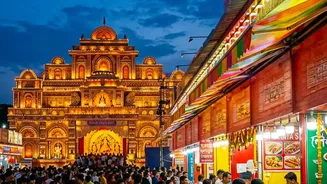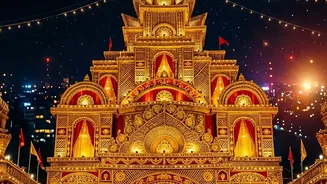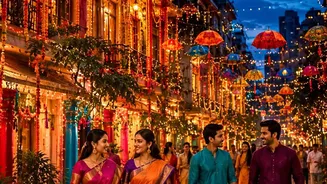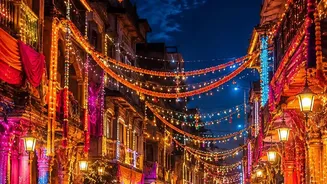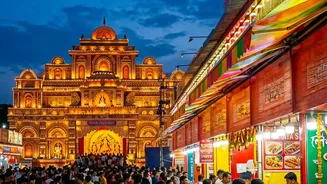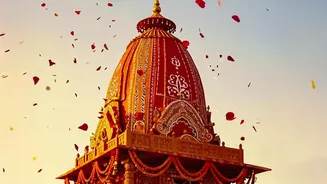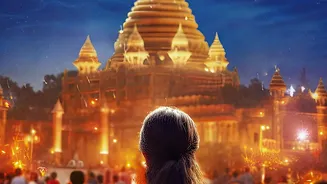




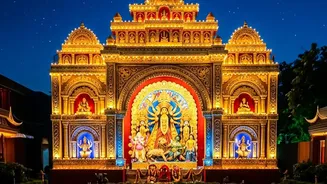
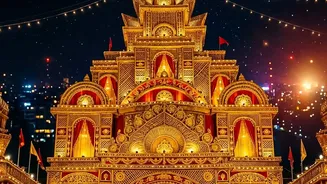
Every year, Ayodhya transforms into a city of divine light for Deepotsav. But witnessing millions of lamps flicker to life means navigating colossal crowds. This guide offers an in-depth plan to make your 2026 visit a spiritual high, not a logistical
headache.
Understanding the Scale of Deepotsav
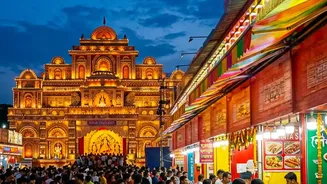
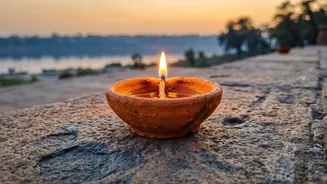
Ayodhya's Deepotsav is not just a festival; it's a record-breaking spectacle. Commemorating Lord Ram's return to his kingdom, the event has grown exponentially since it began in 2017. In 2025, it set a new Guinness World Record by lighting over 2.6 million earthen lamps (diyas) along the ghats of the Saryu River. This massive display, coupled with a simultaneous Maha Aarti performed by thousands of priests, laser shows, and Ramayana-themed processions, draws lakhs of devotees from across the globe. The sheer scale means the city's population swells dramatically, creating an electrifying but dense human river, especially around the main venue of Ram Ki Paidi. For 2026, the celebration is expected to be even grander.
When to Go and What to Expect
Diwali falls on November 8 in 2026, and the main Deepotsav event is typically scheduled for the eve, Choti Diwali, which is November 7. However, festivities often span three days, starting around November 5. The main event day begins with cultural processions (Shobha Yatra) and re-enactments of Lord Ram's return in the afternoon. The main diya lighting ceremony happens at dusk, transforming Ram Ki Paidi into a sea of light. Be prepared for significant security, with vehicle access near the ghats heavily restricted from the afternoon onwards. This means you should plan on walking several kilometres.
Booking Travel and Accommodation
This cannot be overstated: book everything months in advance. Hotels in Ayodhya are often fully booked three to four months before Deepotsav. Options range from premium hotels to government guesthouses and dharamshalas. For more reliable availability, consider staying in nearby cities like Lucknow (about 3 hours away) and travelling to Ayodhya for the main event day. Similarly, reserve train tickets to Ayodhya Junction or flights to Maharishi Valmiki International Airport (AYJ) as soon as bookings open. Trying to arrange travel or lodging at the last minute is a near-impossible task during this peak period.
Navigating the Crowds on the Ground
The key to a good experience is timing and patience. To secure a decent viewing spot at Ram Ki Paidi, you must arrive by early afternoon, hours before the evening ceremony begins. General viewing areas are free but fill up fast. Some enclosures may require passes, details for which are released only by official government channels. Be wary of third-party sellers. For a less crowded experience, consider Naya Ghat or Guptar Ghat, which also feature diya displays but are less central. If you are travelling with elderly family members or children, this might be a more manageable option. Another strategy is to plan your darshan at the Ram Janmabhoomi Temple for a different day or early in the morning to avoid the peak festival rush.
Essential Practical Tips
Your comfort and safety are paramount. Wear comfortable walking shoes, as you will be on your feet for hours. November evenings can be cool, so carry a light jacket or shawl. Pack light for the main event day, bringing only essentials like a power bank, water bottle, cash, and personal identification. Mobile networks can be congested, and while digital payments are common, having cash is wise for smaller vendors. Eat an early dinner or pack snacks, as restaurants will have long queues. Finally, plan to stay the night after Deepotsav. Trying to exit the city immediately after the event concludes means facing extreme traffic jams.