





The Science of Living Light
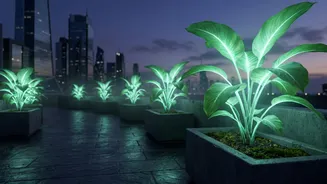
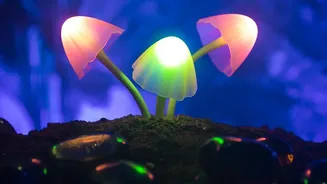
The magic of glowing plants comes from bioluminescence, the same natural process that allows fireflies and certain deep-sea creatures to produce their own light. Scientists have harnessed this by integrating the genetic pathways from luminous fungi into
the DNA of common plants. Early experiments often resulted in a faint glow, but recent breakthroughs have significantly increased the brightness. By engineering the plants' own metabolic processes to fuel the light, researchers have created self-sustaining biological lanterns that glow continuously throughout their life cycle without needing an external power source or special chemicals. This is a significant leap from older methods that required adding a chemical substrate to trigger the light.
The Reality: Not Quite 'Today'
While the headline proclaims efficiency 'Today', the reality is more nuanced. The technology exists, and you can even buy a genetically modified glowing petunia for your home in some countries. However, replacing municipal streetlights is a far more complex challenge. The primary hurdle is brightness. Even the most advanced glowing plants are currently many times dimmer than the minimum standard required for public roadways. Researchers at companies like Light Bio and Magicpen Bio, along with university labs, are actively working to enhance luminescence, with goals to make future plants over ten times brighter. But for now, the light is more suited for ambient, decorative purposes in parks or private gardens rather than illuminating a busy intersection.
The Promise of a Greener Glow
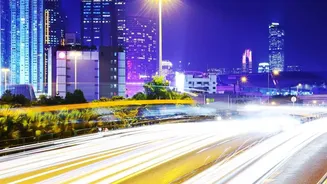
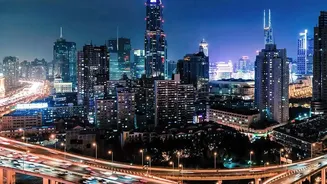
The potential benefits are enormous, which is why research is being pursued so vigorously. Street lighting accounts for a significant portion of a city's energy consumption and carbon footprint. Replacing electric lights with self-powering plants could lead to massive energy savings and a reduction in greenhouse gas emissions. Furthermore, the soft, natural light produced by plants could reduce the harsh glare and light pollution common in urban areas, which is known to disrupt nocturnal wildlife. These living lights would also contribute to urban greening, absorbing carbon dioxide and improving air quality. For rapidly urbanising nations like India, with ambitious Smart City missions, this sustainable technology presents a compelling vision for the future of urban infrastructure.
Hurdles on the Path to Illumination
Beyond the issue of brightness, several other obstacles remain. The cost of research and development is high, and creating these plants at scale for municipal use will be a significant initial investment. There are also ecological concerns about introducing genetically modified organisms (GMOs) into the environment, such as the potential for them to cross-pollinate with native species. Public perception and regulatory hurdles are also major factors. Different countries have vastly different rules for genetically edited crops, which could create complex challenges for development, approval, and international trade. In some regions, the regulatory process for GMOs can be lengthy and expensive, potentially slowing down innovation, especially for smaller companies.