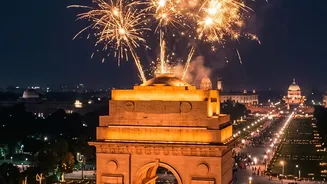

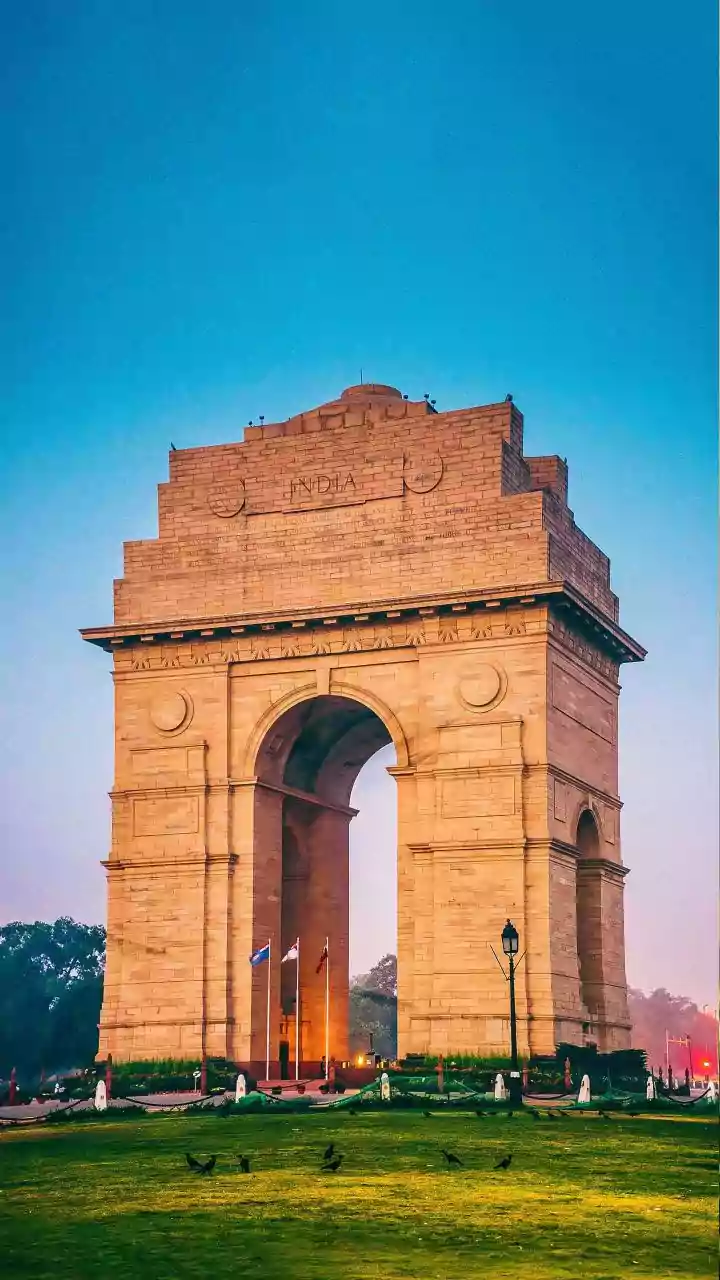
Delhi is preparing for an unprecedented cultural event. The India Biennale 2026 will merge the city's ancient history with cutting-edge contemporary art, turning iconic monuments into galleries for a remarkable 108-day programme.
A New Landmark for Indian Art
A 'biennale' is a large-scale
international art exhibition held every two years, often described as the Olympics of the art world. While India is home to the acclaimed Kochi-Muziris Biennale, the announcement of the India Biennale 2026 in the nation's capital marks a significant new chapter. This event aims not just to showcase art, but to create a city-wide celebration of culture that engages directly with Delhi's unique identity. For 108 days, the capital will become a hub of creative energy, hosting works from both emerging and established artists. The ambition is to establish a new cultural landmark, drawing art lovers from around the world and making contemporary art more accessible to the public while boosting the country's creative economy.
Heritage Sites as Living Galleries
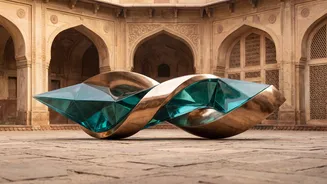
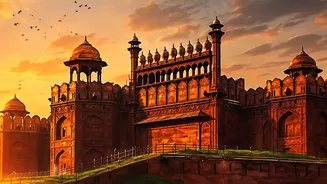
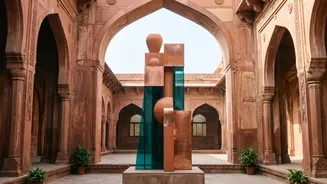
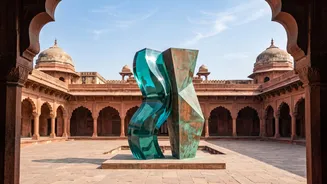
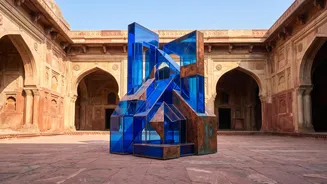
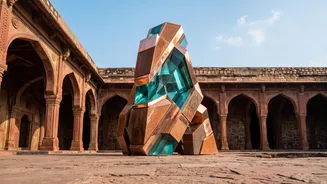
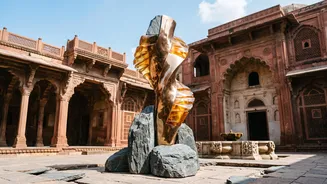
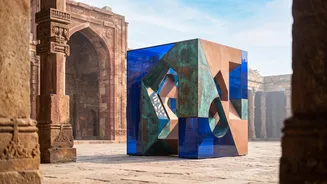
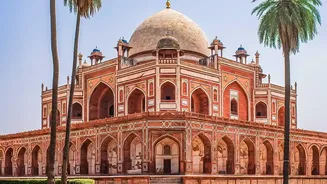
The most exciting aspect of the India Biennale 2026 is its plan to use Delhi's historical sites as venues. Instead of confining art to traditional galleries, organisers will place installations and sculptures within the city's famous monuments. Imagine encountering a modern sculpture in the gardens of Humayun’s Tomb or a video installation projected onto the ancient walls of a ruin in Mehrauli. This approach creates a powerful dialogue between the past and the present, encouraging visitors to see these familiar historical spaces in a new light. While the logistical challenge is immense, requiring sensitive collaboration with conservation authorities, the potential reward is an unforgettable experience for visitors and a groundbreaking moment for public art in India.
Bridging Centuries Through Art
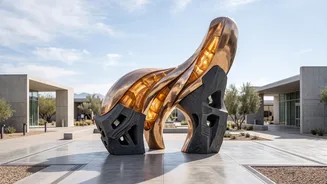
The success of such an event hinges on its curatorial direction. Curators will be tasked with selecting artworks that not only stand on their own merit but also resonate with their historic surroundings. This isn't just about placing art in a pretty location; it's about fostering a conversation. How does a contemporary artist's work speak to the history of a Mughal-era tomb or a colonial building? We can expect to see a diverse range of media, from painting and sculpture to performance and digital art. The selection will likely feature a strong mix of Indian and international artists, exploring themes relevant to modern India within a global artistic context. The goal is to create juxtapositions that are surprising and meaningful, prompting audiences to reflect on the layers of history that make up a city like Delhi.
More Than Just an Exhibition
A 108-day duration makes this far more than a static exhibition; it's a sprawling cultural festival. Over its three_and_a_half_month run, the programme is expected to include a wide array of parallel events. This will likely encompass artist talks, curatorial walkthroughs, academic seminars, film screenings, and educational workshops for the public. These activities are crucial for deepening engagement and making the biennale accessible to a wider audience, not just seasoned art connoisseurs. It provides a platform for discussion, turning the city into a dynamic space for learning and cultural exchange. This extended timeline allows for a more relaxed and immersive experience, encouraging repeat visits and fostering a sustained cultural buzz across the capital.
What This Means For The Capital
An event of this scale is poised to have a significant and lasting impact on Delhi. Economically, it promises a major boost to tourism, attracting international and domestic visitors to the hospitality, transport, and retail sectors. Culturally, it will cement Delhi’s reputation as a leading global arts destination. For residents, it offers a unique opportunity to engage with their city's heritage in an innovative way and experience worldclass art. Furthermore, the biennale will provide invaluable exposure for local artists, artisans, and creative professionals, potentially catalysing the local art scene long after the event concludes. By reimagining public spaces, the India Biennale 2026 has the potential to leave a permanent mark on Delhi's cultural landscape.