




5. Ronaldo Nazario (2002)
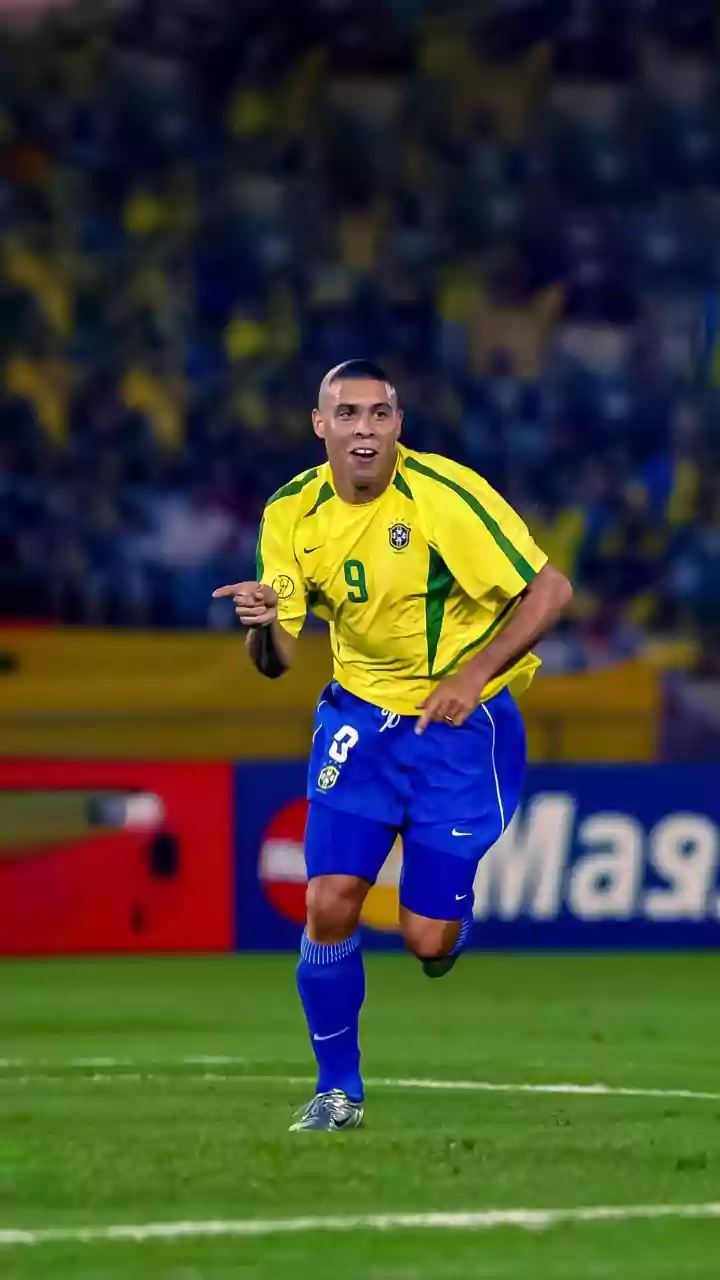
Ronaldo's performance in the 2002 final against Germany was the ultimate redemption story. Four years earlier, he had suffered a convulsive fit just hours before the 1998 final and was a shadow of himself in Brazil's loss to France. After battling career-threatening
knee injuries in the intervening years, many wondered if he could ever return to his best. In Yokohama, Japan, he answered emphatically. Against a German side marshalled by the tournament's best goalkeeper, Oliver Kahn, Ronaldo was relentless. He scored both of Brazil’s goals in the second half of their 2-0 victory. The first came after Kahn spilled a shot from Rivaldo, and Ronaldo, showing his predatory instincts, pounced on the rebound. The second was a clinical first-time finish that sealed Brazil’s record fifth World Cup. It was a masterclass in finishing that secured him the Golden Boot with eight goals and cemented his legacy as 'O Fenômeno'.
4. Pelé (1958)
In 1958, a 17-year-old named Pelé announced his arrival to the world. Playing against host nation Sweden, the teenager showed a maturity and skill that defied his age. Brazil won 5-2, and Pelé was at the heart of it, scoring two goals. His first goal is one of the most iconic in World Cup history: he controlled the ball on his chest, audaciously flicked it over a defender, and volleyed it into the net. It was a moment of sublime, spontaneous genius. He added a second with a header in the final minute, becoming the youngest player to ever score in a World Cup final—a record that still stands today. Having already scored a hat-trick in the semi-final, his performance in the final confirmed the arrival of football's first global superstar and delivered Brazil its first-ever World Cup title.
3. Zinedine Zidane (1998)
Playing in his home country, Zinedine Zidane carried the weight of a nation's expectations. The final in Paris was against Brazil, the defending champions and heavy favourites led by Ronaldo. While the story of Ronaldo's pre-match health issues dominated headlines, Zidane made the game his own. He had been instrumental throughout the tournament but hadn't scored until the final. He changed that by scoring two near-identical headers from corner kicks in the first half, rising above the Brazilian defence to power France into a commanding 2-0 lead. It was a display of sheer dominance and big-game mentality. France went on to win 3-0, securing their first World Cup title and cementing Zidane as a national hero. His performance, a blend of elegance and ruthless efficiency, completely outshone the opposition on the biggest stage imaginable.
2. Diego Maradona (1986)
Diego Maradona's entire 1986 tournament was a masterclass, but his impact on the final against West Germany was decisive. While he didn't score in the 3-2 victory, he was the architect of the win. The Germans, acutely aware of his genius, assigned Lothar Matthäus to man-mark him relentlessly. For much of the game, Maradona was swarmed. Yet, with the score tied 2-2 and just minutes remaining, he produced the game's defining moment of magic. Drawing multiple defenders towards him near the centre circle, he threaded a perfectly weighted, first-time pass through a sea of German players to find the sprinting Jorge Burruchaga, who raced clear to score the winner. It was a pass that no one else could have seen, let alone executed under that pressure. In a final where he was the most marked man on the planet, Maradona still delivered the assist that won the World Cup.
1. Lionel Messi (2022)
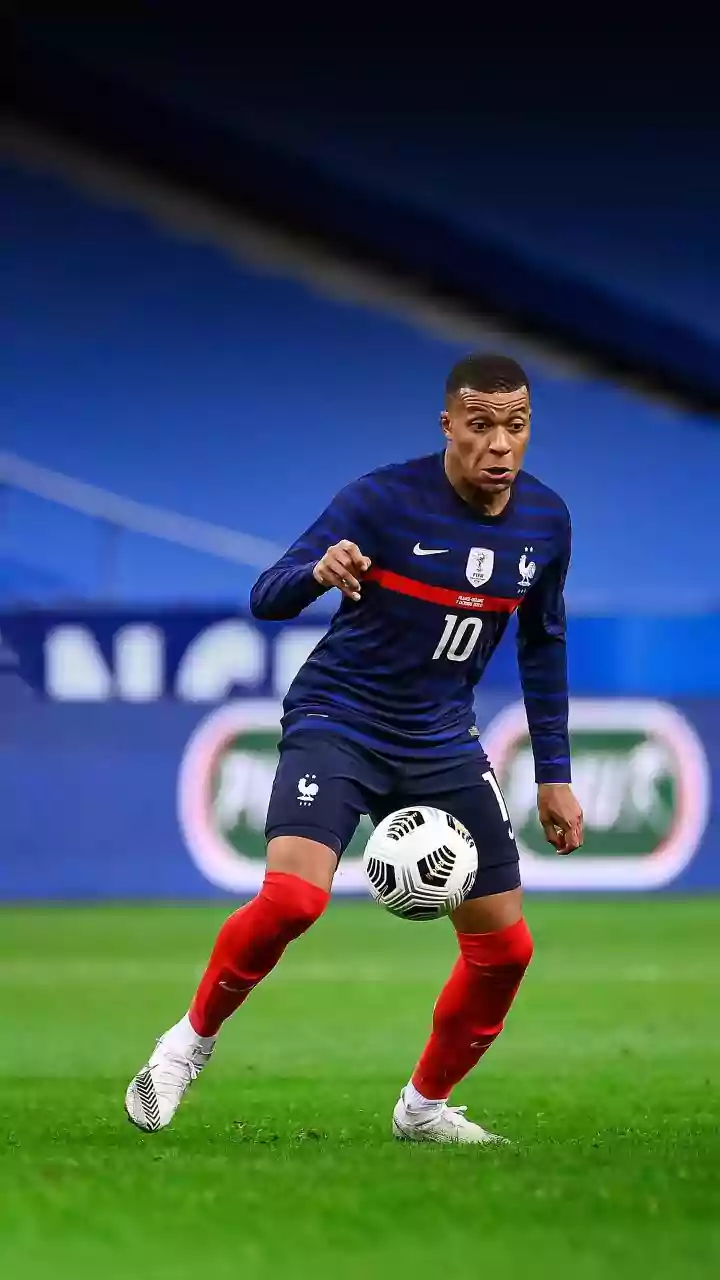
In what is widely considered the greatest World Cup final of all time, Lionel Messi delivered the performance that completed his legacy. At 35, it was his last chance to win the one trophy that had eluded him. He rose to the occasion with a display of leadership, skill, and sheer will. Messi scored twice in the epic 3-3 draw with France and coolly converted his penalty in the decisive shootout. He opened the scoring from the penalty spot and later bundled home a crucial go-ahead goal in extra time. Throughout the 120 minutes, he was the calm, creative hub for Argentina, creating chances and driving his team forward against a Kylian Mbappé-inspired French comeback. By scoring in the group stage, round of 16, quarter-final, semi-final, and final, he became the first player in history to do so in a single edition, capping a tournament where he was deservedly awarded his second Golden Ball.