

A World Reawakened and Reopened
Most of India's premier national parks and tiger reserves close during the heavy monsoon months, typically from June or July until the end of September. This essential pause allows the forests to recover, gives wildlife a respite during the crucial breeding
season, and provides time for authorities to repair tracks damaged by the rain. Come October, these parks begin to reopen their gates. Core zones in famous reserves like Ranthambore, Tadoba-Andhari, and Satpura often welcome visitors from October 1st. Others, such as Kanha, Bandhavgarh, and certain zones of Jim Corbett National Park, follow suit around mid-October. This reopening marks the official start of the new safari season, offering the first glimpse into a world washed clean and bursting with life.
The Allure of Lush Landscapes
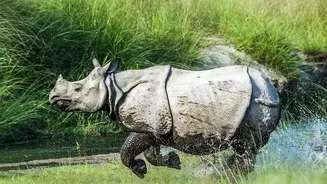
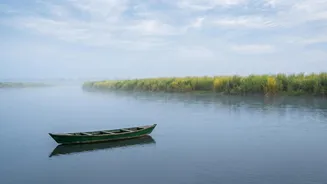
The single most striking feature of a post-monsoon safari is the sheer vibrancy of the environment. After months of rain, the parched browns of summer are replaced by electric greens. Forests are dense and foliage is lush, waterholes are full to the brim, and grasslands are tall and verdant. This creates a stunningly beautiful backdrop for wildlife photography and a deeply immersive experience for any nature lover. The air is fresh and crisp, and the scenery in parks like Kanha, with its iconic sal forests, or Corbett, nestled in the Himalayan foothills, is at its most picturesque. While the dense vegetation can sometimes make spotting animals more challenging than in the dry summer months, the beauty of the rejuvenated landscape is a significant reward in itself.
Ideal Climate for Adventure
October brings with it some of the most pleasant weather of the year for being outdoors. The intense heat of summer and the humidity of the monsoon have both passed, giving way to comfortable daytime temperatures and cool mornings and evenings. Temperatures often range between a pleasant 15°C and 30°C. This comfortable climate makes the long hours spent in an open safari jeep far more enjoyable. Early morning safaris can be chilly, so layers are advisable, but you won't face the extreme heat that characterises the pre-summer months of April and May, making the overall experience much more comfortable for families and casual tourists alike.
Thriving Wildlife and Birdwatching
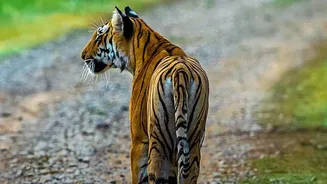
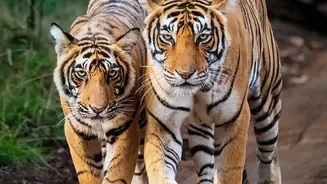
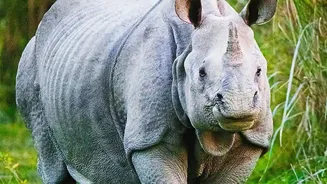
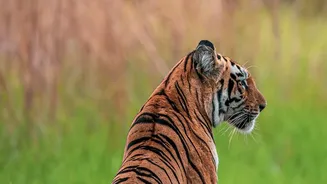
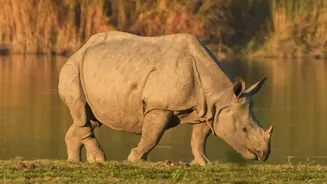
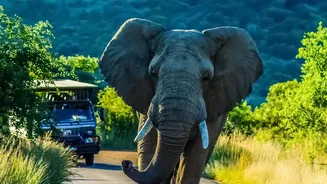
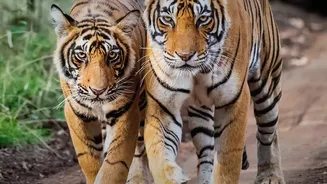
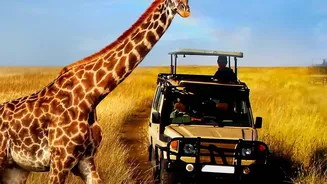
The post-monsoon season is a period of abundance for wildlife. With plentiful water and fresh vegetation, animals are active and well-fed. Herbivores like deer, gaur (Indian bison), and elephants can often be seen grazing in the lush meadows. This availability of prey also means predators like tigers and leopards are active, establishing territories after the monsoon break. Furthermore, October is an excellent time for birdwatching. Resident birds are active, and it marks the beginning of the season for migratory species to start arriving in wetlands and forests across the country. Parks like Kaziranga and Keoladeo National Park become hotspots for avian enthusiasts during this period.
Fewer Crowds and Better Experiences
While the secret is getting out, October is often considered a 'shoulder season' for wildlife tourism in India. It falls just before the peak rush that begins in November and runs through the winter. This can translate into several benefits for the savvy traveller. With fewer tourists, you may enjoy a more serene and less crowded safari experience, with fewer jeeps jostling for position at a sighting. It can also be easier to secure bookings for safaris and accommodation, although planning in advance is always recommended, especially for popular parks like Ranthambore and Tadoba. The quieter atmosphere allows for a more intimate connection with the wilderness as it awakens from its monsoon slumber.