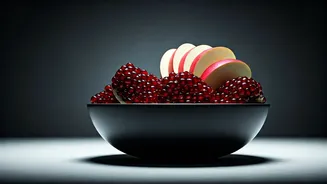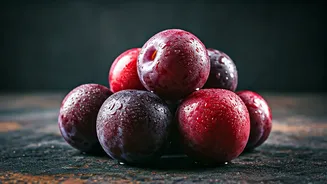





The Plum Takeover on Your Screen
If you follow Indian food and wellness bloggers, you've likely seen it: the humble plum, or Aloo Bukhara, is having a major moment. It’s being blended into vibrant smoothie bowls, sliced into gourmet salads, simmered into tangy chutneys, and baked into rustic
tarts. This isn't just about a pretty fruit; it's a reflection of a larger movement. Influencers are tapping into a growing desire among Indian audiences for foods that are not only delicious and visually appealing but also packed with health benefits. The plum, with its jewel-toned skin and juicy flesh, is perfectly cast for the role. Its versatility allows for endless creativity in the kitchen, making it a darling for content creators looking to inspire their followers with fresh, seasonal, and healthy ideas.
A Nutritional Powerhouse Explained
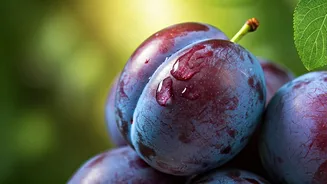
So, what's behind the health hype? Plums are impressively loaded with nutrients. They are particularly celebrated for their high concentration of antioxidants, especially polyphenols like anthocyanins, which give the fruit its dark, rich colour. These compounds are cellular bodyguards, helping to protect our bodies from damage caused by free radicals and reducing inflammation. Beyond antioxidants, plums offer a good dose of Vitamin C, which is crucial for a healthy immune system and glowing skin, as well as Vitamin K and potassium. They are also a well-known source of dietary fibre, which aids digestion and helps regulate blood sugar levels. For health-conscious bloggers and their audiences, the plum isn't just a fruit; it's a functional food that delivers tangible benefits.
The Deep Roots of Aloo Bukhara
While the current trend feels modern, the connection to plums in India is anything but new. Known commonly as Aloo Bukhara, the fruit has long held a place in Indian culture and traditional practices. In Ayurveda, it is recognized for its potential digestive benefits and cooling properties. For generations, it has been used to make sweet and tangy chutneys, pickles, and jams that are staples in many Indian households. The dried version, prunes, is a classic home remedy for digestive issues. This deep-rooted familiarity gives the plum an advantage. For many, it evokes a sense of nostalgia, connecting modern wellness trends with the comforting flavours of home. Bloggers are successfully reviving and reimagining these traditional uses for a new generation.
Riding the Indian Wellness Wave
The plum's recent surge in popularity is perfectly timed with a larger shift in India's wellness landscape. There is a massive and growing consumer interest in preventive health, natural foods, and 'superfoods'. Indian consumers are increasingly looking for nutrient-dense, locally-sourced ingredients and are turning away from overly processed options. This movement champions the use of traditional ingredients like turmeric, moringa, and millets in modern formats. The plum fits beautifully into this narrative. As a seasonal, homegrown fruit with a powerful nutritional profile and a rich cultural history, it embodies everything the modern Indian wellness seeker is looking for. Bloggers, as key drivers of these trends, are simply amplifying a message that audiences are eager to receive.
Seasonal, Vibrant, and Made for Instagram
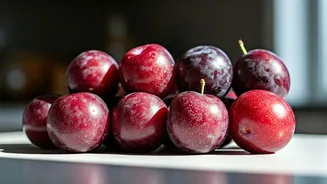
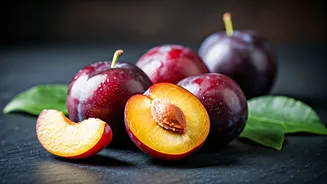
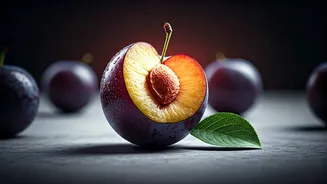
Beyond the science and tradition, there are practical and aesthetic reasons for the plum's stardom. Plums in India have their main season from May through the monsoon months, creating a natural buzz and a sense of 'get it while you can'. This seasonality makes them a special treat. Aesthetically, they are a dream for any content creator. The deep purples, reds, and golden yellows of different varieties pop on screen, making for stunningly beautiful food photography and videos. Whether whole, sliced to reveal their lager-coloured flesh, or cooked down into a glossy condiment, plums provide a visual feast that is almost guaranteed to stop a user from scrolling. In the world of social media, where looks matter, the plum is a certified supermodel.