



The Two Legendary Routes
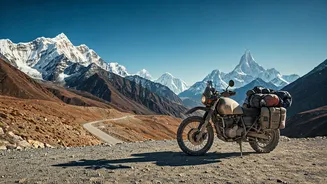
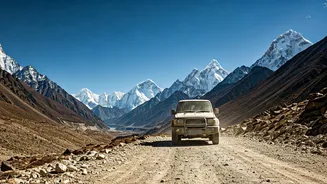
The opening of the mountain passes marks the start of the tourist season in Ladakh, a region that remains largely cut off by road during the harsh winter months. For backpackers, this means two legendary overland routes are now accessible. The first is the Srinagar-Leh
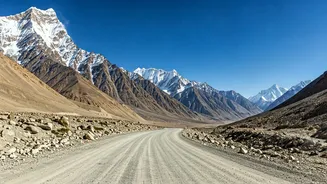
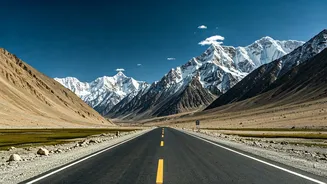
Highway (NH-1), which snakes through the lush valleys of Kashmir before crossing the formidable Zoji La pass. This 434-kilometre journey is often considered the gentler of the two, offering a gradual ascent that helps with acclimatization. The second, and arguably more dramatic, option is the Manali-Leh Highway. Spanning approximately 475 kilometres, this route is a high-altitude spectacle from the start, crossing several world-renowned passes including Rohtang Pass (or the all-weather Atal Tunnel), Baralacha La, Lachung La, and Tanglang La. The Border Roads Organisation (BRO) works tirelessly every year to clear tonnes of snow, making these incredible journeys possible.
Choosing Your Adventure: Manali vs. Srinagar
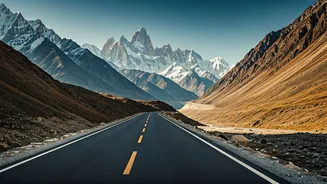
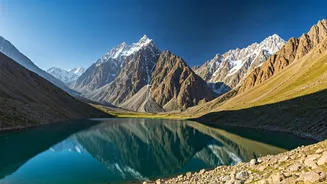
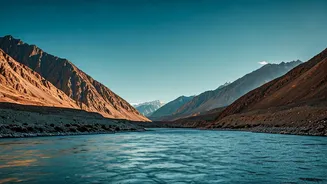
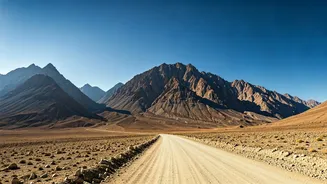
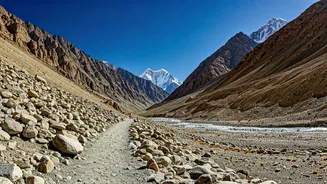
The choice between the Srinagar and Manali routes is the first major decision for any Ladakh-bound backpacker. The Srinagar-Leh highway is a visual transition from the green meadows of Sonamarg to the stark, brown landscapes of the Lamayuru 'moonland'. Because the ascent is more gradual, the risk of Acute Mountain Sickness (AMS) is lower, making it a preferred choice for first-timers or those with more time. The journey typically takes two days with an overnight halt in Kargil. In contrast, the Manali-Leh highway is a baptism by altitude. It’s a raw, adrenaline-pumping adventure that throws you straight into the deep end of the Himalayas. The landscapes are more barren and rugged from the outset. While breathtakingly beautiful, this route demands greater respect for acclimatization. It also takes two days, with common overnight stops at Keylong or Sarchu. Your choice depends on your appetite for adventure and your body’s ability to adapt to high altitudes.
The Golden Rule: Acclimatize Properly
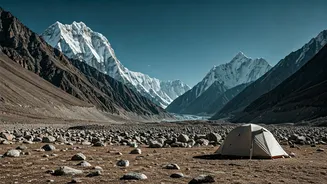
This cannot be stressed enough: do not rush your journey to Leh. Acute Mountain Sickness (AMS) is a real and serious risk at altitudes above 3,000 metres (10,000 feet). Symptoms can range from headaches and dizziness to more severe, life-threatening conditions. If you are taking the Manali-Leh highway, spending a night in a mid-point location like Keylong (around 3,080m) is highly advisable before pushing on to higher camps like Sarchu (4,290m). Upon reaching Leh (3,500m), your first day should be dedicated to complete rest. Avoid strenuous activity, drink plenty of water, and avoid alcohol. Allow your body the time it needs to adjust to the thin air. This simple precaution is the most important step in ensuring your trip is epic for all the right reasons, not for a medical emergency.
Your High-Altitude Packing List
Packing for Ladakh is all about layers. The sun can be intense during the day, but temperatures can plummet dramatically at night or in the shade. Your backpack should include: * Clothing: Several layers of clothing are key. Pack thermal inners, fleece jackets, and a windproof and waterproof outer jacket. * Sun Protection: The UV rays at high altitude are incredibly strong. A wide-brimmed hat, sunglasses, and a high-SPF sunscreen are non-negotiable. * Footwear: Sturdy, comfortable walking shoes with good grip are essential, even if you don't plan on serious trekking. * Medical Kit: Include basic medicines for headache, stomach upset, and fever, along with any personal medications. Diamox (for AMS) should only be taken after consulting a doctor. * Essentials: A power bank, as electricity can be erratic, sufficient cash (ATMs can be unreliable outside Leh), and government-issued ID for permits.
Iconic Himalayan Detours
The journey is the destination, but the detours are where the magic happens. Once you're based in Leh and acclimatized, Ladakh’s wonders await. The most popular excursion is to Nubra Valley, accessible via Khardung La, once touted as the world's highest motorable pass. Here you can see the unique double-humped Bactrian camels on the sand dunes of Hunder. Another unmissable destination is the mesmerising Pangong Tso, a high-altitude saltwater lake that changes colour throughout the day. The journey itself, crossing the Chang La pass, is an adventure. For those seeking more solitude, a trip to the pristine Tso Moriri lake offers a glimpse into a more remote and tranquil part of Ladakh. Remember that permits are required for many of these areas, so plan accordingly in Leh.