




The Heartbeat of the Fair: Livestock Trading
The Pushkar Mela, scheduled from November 17 to November 24, 2026, is fundamentally one of the world's largest and oldest livestock fairs. For centuries, herders from across Rajasthan and neighbouring states have journeyed here to trade tens of thousands
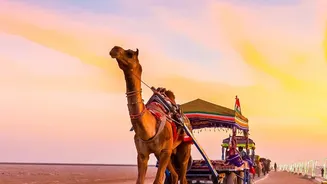
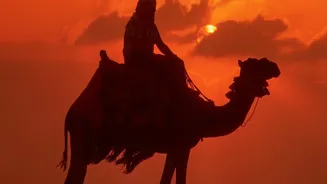
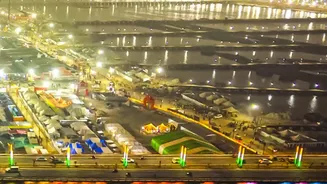
of camels, horses, and cattle. The first few days of the fair, roughly from November 17 to 20, are dominated by this ancient commerce. In the early morning mist, the dunes west of town become a sprawling, open-air marketplace. Here, amid the haze of cooking fires and the sound of bells, traders inspect animals, haggle over prices, and seal deals with a handshake. It’s a raw, unfiltered glimpse into a pastoral way of life that remains deeply connected to the desert landscape. For many visitors, witnessing this bustling trade is the most authentic part of the Pushkar experience.
More Than a Market: A Cultural Spectacle
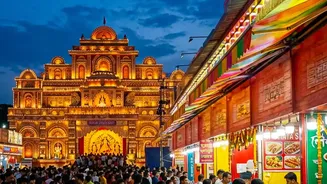
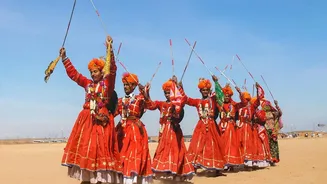
As the week progresses, the Mela transforms from a pure livestock market into a grand cultural carnival. The official programme, sponsored by Rajasthan Tourism, introduces a host of events that draw crowds and create a festive atmosphere. Among the most famous are the unique competitions that have become synonymous with Pushkar. The 'longest moustache' contest sees Rajasthani men proudly displaying facial hair grown over years, while the 'bridal competition' showcases traditional attire and artistry. Other popular events include turban-tying contests, often inviting foreign tourists to participate, and boisterous games like 'matka phod' (pot breaking) and tug-of-war matches between locals and visitors. These competitions add a layer of playful energy to the fair, celebrating local customs in a way that is both entertaining and inclusive.
The Main Attraction: Camels in the Spotlight
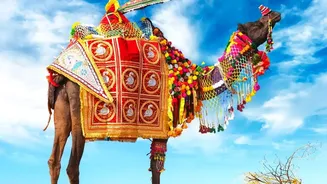
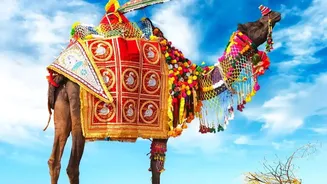
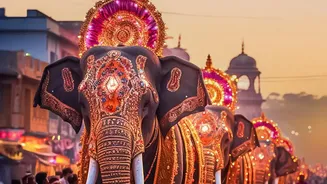
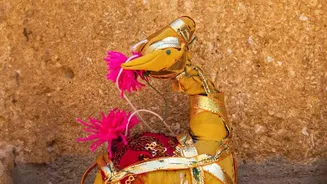
While thousands of animals are present, the camel remains the undeniable star of the Pushkar Mela. Beyond being commodities for trade, they are central to the festival's pageantry. Herders spend weeks preparing their finest animals for the 'gorband', or camel decoration competition. They are adorned with colourful tassels, embroidered fabrics, intricate jewellery, and even have their fur sheared into elaborate patterns. These decorated camels participate in parades and beauty contests, judged with the utmost seriousness. There are also camel races and even camel dances, where trained animals perform choreographed steps to music, showcasing the deep bond between the herders and their livestock.
A Spiritual Culmination on Kartik Purnima
The fair's timing is no coincidence; it is intrinsically linked to a major pilgrimage moment. The event culminates on Kartik Purnima, the full moon night of the Hindu month of Kartik, which falls on November 24 in 2026. According to legend, the sacred Pushkar Lake was created by Lord Brahma, and a dip in its waters on this auspicious day is believed to wash away sins and grant salvation. In the final days of the Mela, thousands of pilgrims throng the town's 52 bathing ghats to perform this holy ritual, known as the 'Kartik snan'. The evenings are marked by the Maha Aarti, where lamps are lit and chants echo across the water, creating a deeply spiritual atmosphere that contrasts with the commercial bustle of the fairgrounds.