




The Rise of Intentional Travel
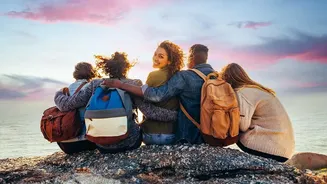
For generations, the great Indian holiday was often a frantic affair: a meticulously planned, multi-city sprint to cover as many landmarks as possible. But for a growing number of young travellers, particularly Gen Z and millennials, that model is broken.
They are instead embracing ‘slow travel,’ a philosophy centred on staying in one place for longer, forging genuine connections, and prioritising personal experiences over a packed itinerary. According to a recent Airbnb report, a staggering 95% of Gen Z travellers in India want their trips to feel personal and unique, not pre-planned. This isn't just about taking longer vacations; it's about a fundamental change in mindset, where the quality of the experience outweighs the quantity of sights seen.
An Antidote to Urban Burnout
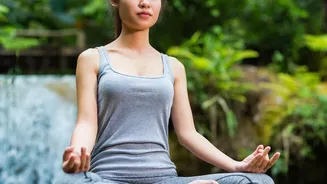
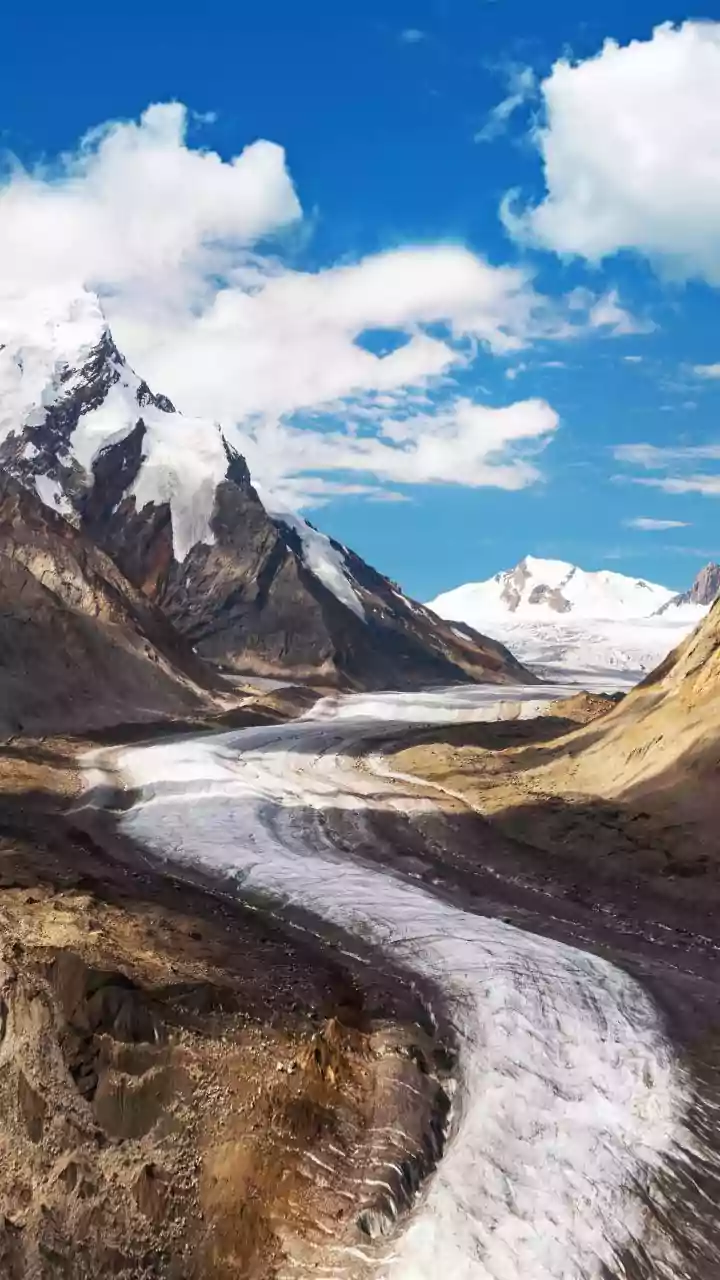
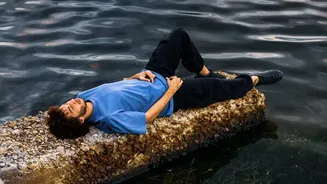
A key driver behind this trend is the intense pressure of modern urban life. With reports indicating high levels of workplace burnout among young Indian professionals, travel is becoming less of an escape and more of a recovery process. The relentless pace of city living has created a deep yearning for stillness, quiet, and authenticity. Slow travel provides an answer. Two-thirds of Gen Z travellers now say they travel just to do nothing—to rest and slow down. They are swapping crowded tourist traps for serene homestays in mountain towns, quiet beachside villas, and farm stays where the day’s rhythm is set by nature, not by a schedule. This conscious uncoupling from hustle culture is redefining the purpose of a getaway.
From Tourist to Temporary Local
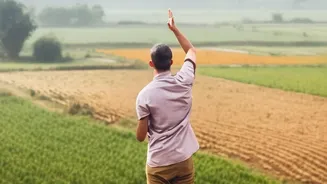
This new approach changes not just the duration of a trip, but its very texture. Instead of hotels, many are opting for homestays, which offer a more intimate and culturally immersive experience. Recent data shows a significant preference for unique accommodations, with many travellers choosing a destination specifically because of the stay itself. This shift is about embedding oneself in a local community, even if just for a week. It means shopping at the local market, learning to cook a regional dish, finding a favourite neighbourhood café, and engaging in conversations that go beyond a transactional tourist encounter. The goal is no longer to just visit a place, but to get a feel for what it's like to actually live there.
The Workation Phenomenon
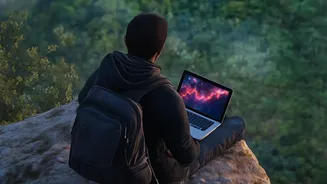
The normalisation of remote work has been a massive catalyst for this movement. The rise of the 'workation' or 'bleisure' trip allows young professionals to blend their work and travel lives seamlessly. Rather than squeezing a trip into a short leave period, they can relocate to a scenic destination for weeks or even months, working during the day and exploring in their free time. This has led to a boom in long-stay packages at homestays and hostels in places like Himachal Pradesh, Goa, and Kerala, all catering to digital nomads seeking a better work-life balance, cleaner air, and a lower cost of living.
Beyond the Perfect Instagram Post
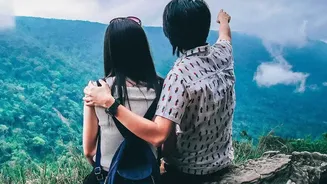
While social media has undoubtedly fuelled the desire for aesthetic and unique travel, the trend is maturing beyond simply capturing the perfect, viral shot. There's a growing appreciation for the unscripted moments in between. In fact, one report found that 90% of young Indian travellers are likely to visit places that haven't gone viral. They are seeking authentic cultural exploration and a deeper connection to nature. This represents a move towards travel as a form of self-expression and personal growth, where the journey itself—and what you learn along the way—becomes the real destination. It’s about collecting memories, not just photos.