




What Exactly Are Making Charges?
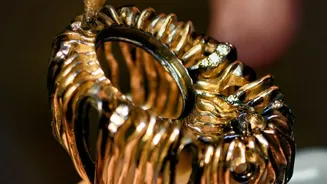
Making charges are simply the cost of craftsmanship. It is the fee jewellers charge for the labour and skill required to transform raw gold bars into the beautiful ornaments you buy. These charges cover everything from the initial design to the casting,
soldering, polishing, and setting of stones. The rate isn't standardized and can vary significantly from one jeweller to another, and even between different pieces in the same store. Typically, making charges can range anywhere from 3% to 25% of the value of the gold.
Percentage vs. Per Gram: How Are They Calculated?
Jewellers primarily use two methods to calculate making charges. The first is a percentage-based charge, where the fee is a set percentage of the gold's value. For instance, if a 10-gram chain has a gold value of ₹60,000 and a 12% making charge, you would pay an additional ₹7,200. The second method is a fixed rate per gram. Here, the jeweller assigns a flat fee for each gram of gold, such as ₹500 per gram. For the same 10-gram chain, this would amount to a ₹5,000 charge. While the percentage method is common, a per-gram charge is often easier for buyers to compare.
The Hidden Cost of 'Wastage'
This is where things can get tricky. Many jewellers add a separate charge for 'wastage' or 'VA' (Value Addition). This fee is meant to cover the small amount of gold that is lost during the manufacturing process—for example, when cutting, filing, or polishing. Historically, when jewellery was made entirely by hand, a certain amount of gold dust was inevitably lost. While modern techniques have minimised this, the practice of charging for wastage continues and can range from 3% to 7% or even higher for complex designs. Some jewellers may even combine wastage and making charges, which makes it harder for the buyer to see the negotiable part of the cost. Always ask for these to be listed separately.
Why Intricate Designs Cost More
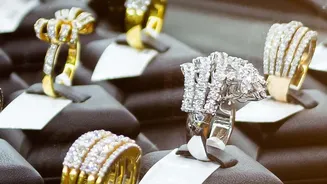
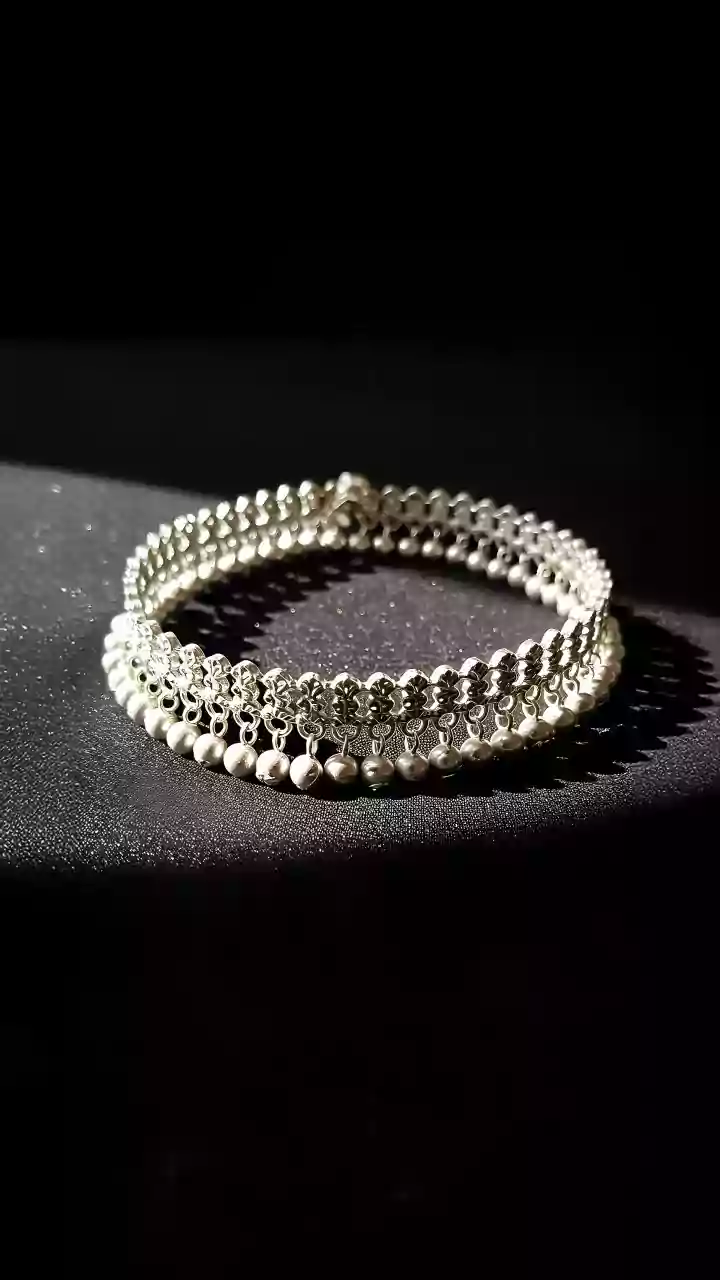
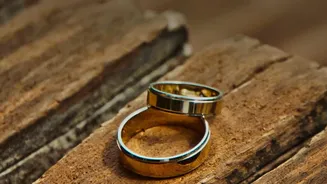
The complexity of a design is the biggest factor influencing making charges. A simple, machine-made chain or a plain gold band will have low making charges, sometimes as low as 3-8%. This is because they can be produced efficiently in large quantities. On the other hand, intricate, handcrafted jewellery like bridal necklaces, temple jewellery, or pieces with detailed filigree work require immense skill and time from artisans. For such items, making charges can justifiably climb to 15-25% or even higher. Studded jewellery also typically incurs higher charges due to the detailed work involved in setting stones.
How to Spot a Bad Deal
A deal that seems too good to be true often is. Be wary of offers promising 'zero making charges.' Some jewellers might compensate for this by inflating the gold rate, charging higher wastage fees, or increasing the price of any stones in the piece. A common red flag is a high making charge on a simple, machine-made item. Always check for BIS hallmarking, which guarantees the purity of the gold but has no bearing on making charges. The key is to look at the total final price and ensure you have a clear, itemised bill that breaks down the gold rate, weight, making charges, wastage, and GST.
Your Guide to Smart Negotiation
Negotiating making charges is a common and accepted practice in India; it is not considered rude. The gold rate itself is rarely negotiable, but the making charge includes the jeweller's profit margin and thus has room for discussion. Always ask for the charge as a per-gram number to make comparisons easier. Before making a large purchase, get quotes from at least two or three different jewellers for similar items. You may find more flexibility during off-seasons when footfall is lower, or when making a significant purchase for a wedding. A clear, itemised bill is your best tool for a transparent transaction.