





A Tradition Hundreds of Years in the Making
Belgium’s love affair with chocolate dates back to the 17th century, when cocoa beans first arrived in the country. Initially a luxurious drink for the nobility, it took until the 19th century for chocolate to become more widely accessible. But the moment
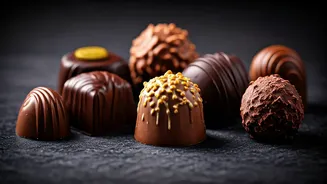
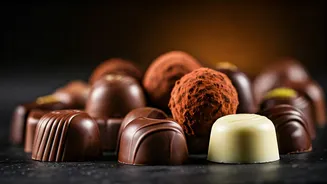
that truly defined Belgium's place in the chocolate world came in 1912. Jean Neuhaus Jr., the grandson of a pharmacist who used chocolate to coat medicines, had a revolutionary idea: replace the medicine with a delicious, soft filling. He called his invention the “praline,” and in doing so, created not just a new confection, but a cornerstone of Belgian identity. His wife, Louise Agostini, later designed the 'ballotin', an elegant box to protect these delicate creations, forever elevating chocolate to the status of a precious gift.
The Rules of Superior Quality
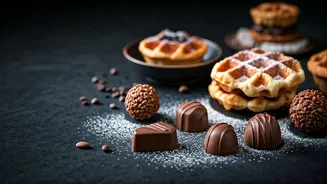
What Belgian chocolate so revered is not just history, but a strict adherence to quality. While Swiss chocolate is famed for its creamy milk varieties, Belgian artisans focus on a wider range, particularly dark chocolate and intricate filled pralines. A key difference lies in the ingredients. True Belgian chocolate uses 100% pure cocoa butter, with no vegetable fats substituted, which gives it a superior flavour and a melt-in-your-mouth texture. Furthermore, the chocolate is ground to an exceptionally fine particle size, between 15 and 18 microns, creating a smoothness that the tongue perceives as flawlessly silky. To protect this reputation from imitations, the industry created the 'Belgian Chocolate Code', which stipulates that for a product to be called “Belgian chocolate,” the refining and moulding must happen in Belgium.
The Chocolatier: An Artist and an Artisan
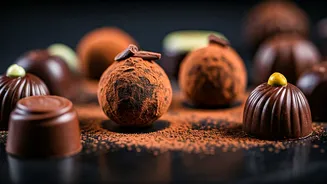
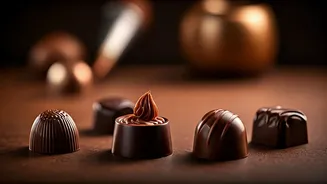
In Belgium, a chocolatier is far more than a candy maker; they are respected artists. With over 2,000 chocolatiers across the country, from global brands like Godiva and Leonidas to small, family-run shops, creativity is everywhere. These masters undergo extensive training, learning not just recipes but the science of flavour pairing and the art of presentation. Many see their work as a blend of tradition and innovation, creating everything from classic pralines with ganache and nut-paste fillings to avant-garde pieces with flavours of jasmine, green pepper, or exotic fruits. Their workshops are like studios, and their display cases are galleries showcasing edible sculptures, hand-painted bonbons, and intricate figures that are almost too beautiful to eat.
A Living, Breathing Art Form
The artistry of Belgian chocolate isn’t confined to history books or exclusive boutiques. It’s a dynamic, evolving craft. Today, a new generation of 'bean-to-bar' makers, like Mike & Becky in Brussels, are pushing the boundaries further. They focus on transparency and sustainability, sourcing single-origin cocoa beans and highlighting the unique flavour profiles of each region, much like a winemaker would with grapes. This movement adds another layer to the art, connecting the final product directly to the land and the farmers who grow the cacao. For visitors and locals alike, the experience is immersive, with chocolate museums, tasting tours, and hands-on workshops where you can try to create your own masterpieces.