





ISRO's Flagship Youth Program
The most prominent gateway for young space enthusiasts is the Indian Space Research Organisation's (ISRO) YUva VIgyani KAryakram, or YUVIKA. This annual "Young Scientist Programme" is designed to 'catch them young' by giving school students a foundational
understanding of space science and technology. YUVIKA is a two-week residential program for students who have completed Class 9, hosted across multiple ISRO centres. The selection is competitive, with over 100,000 students registering for the 2026 edition. Participants get to experience hands-on activities like model rocketry, DIY kit assembly, and have rare opportunities to interact with senior ISRO scientists and even Gaganyaan astronauts.
Visiting an ISRO Centre
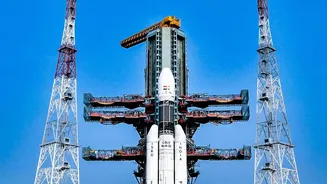
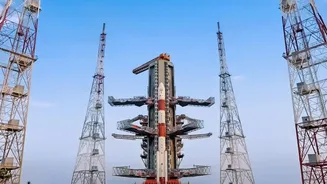
Beyond selective programs, ISRO centres are more accessible than many realize. Schools and colleges can arrange group visits to facilities like the Vikram Sarabhai Space Centre in Trivandrum or the Satish Dhawan Space Centre in Sriharikota. The process typically involves a formal request from the head of the institution to the Public Relations Officer of the specific centre. These visits often include a tour of the space museum and viewing areas for launch infrastructure. For individuals and families, some centres have museums open to the public, and the launch view gallery at Sriharikota allows registered visitors to witness rocket launches live.
Competitions and Symposiums
For older students at the undergraduate and postgraduate levels, ISRO and its partner institutions host various events to foster talent. The National Space Science Symposium (NSSS) is a major biennial event that includes a dedicated student session. Here, students can present research, interact with scientists, and attend high-level lectures. To encourage participation, ISRO also conducts awareness training programs like START (Space Science and Technology Awareness Training), with top performers often getting a chance to attend events like the NSSS. Additionally, competitions for designing model rockets and small 'CanSats' provide hands-on engineering experience.
The Rise of Private Initiatives
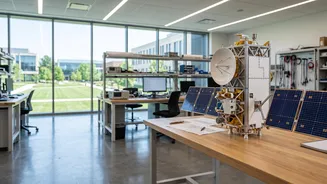
The opening of India's space sector has led to a boom in private companies dedicated to space education. Organizations like Space India and Space Kidz India offer a wide array of programs for schools and individuals. These include astronomy clubs, workshops on robotics and AI, and even opportunities to build and launch small satellites. Space Kidz India, for example, guided students in building the world's lightest satellite, KALAMSAT. These private ventures often partner with schools to set up 'Space Labs' and integrate space science into the curriculum, complementing the efforts of government agencies.
Learning from Anywhere
For those unable to travel, ISRO has developed a rich digital ecosystem. The ISRO STEM Portal is a knowledge hub offering online courses, interactive video sessions with scientists, a virtual museum, and other resources. This digital push ensures that students from all corners of the country can engage with the space program. Furthermore, collaborations like the Indo-U.S. Science and Technology Forum's Space Experiential Learning Centre in New Delhi host workshops and astronomy clubs, often with virtual components, to broaden their reach. These online and hybrid models are crucial for democratizing access to space education and inspiring the next generation of researchers and engineers.