



The Golden Rule: Control Moisture
The single biggest challenge during the monsoon is excess moisture. High humidity speeds up food spoilage, encourages fungal growth on dry goods, and helps bacteria multiply on cooked food. Your primary goal is to keep everything as dry as possible. For
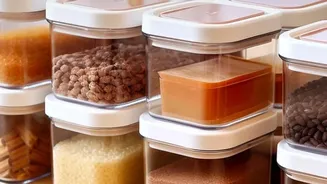
your pantry, this means storing all dry ingredients in airtight containers immediately after purchase. Plastic bags and sacks are not sufficient to block out the damp air. For cooked food, the key is prompt and proper refrigeration to slow down microbial growth. A clean kitchen, dry storage, and cold temperatures are your best defences against common monsoon ailments like food poisoning and gastroenteritis.
Safe Storage for Uncooked Rice and Dal
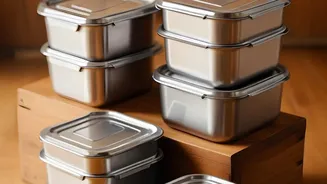
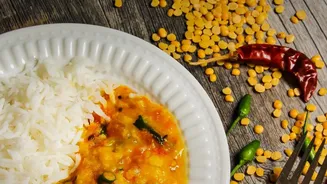
Rice, dal, and other pulses are highly susceptible to absorbing moisture, which can lead to clumping, mould, and insect infestations. The most effective step is to transfer them from their store packaging into clean, dry, airtight glass or steel containers. Before storing, some households sundry grains for a few hours to remove any existing moisture. For extra protection, you can add natural repellents like a few dried bay leaves (tej patta) or neem leaves to each container. These have been used for generations in Indian kitchens to deter pests without affecting the flavour of the food. Store these containers in a cool, dark cabinet away from the sink or stove, and preferably off the floor to avoid dampness rising from the ground.
Handling Cooked Rice, Dal, and Curries
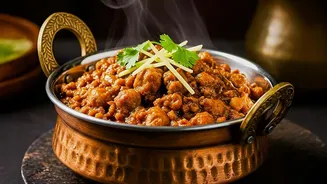
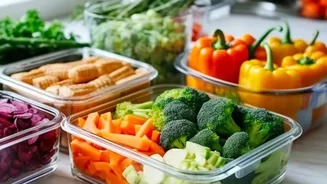
Cooked food is a high-risk item during the monsoon. As a strict rule, perishable dishes like dal, curries, and cooked rice should not be left at room temperature for more than two hours. In particularly hot and humid conditions, this window shrinks to just one hour. Bacteria that cause food poisoning can multiply rapidly in the warmth, and they may not produce any off-smell or taste, making the food seem safe when it isn't. Once cooked, allow food to cool slightly before transferring it into clean, shallow, airtight containers and placing it in the refrigerator promptly. Storing in shallow containers helps the food cool down faster, reducing the time it spends in the temperature danger zone.
The Art of Reheating Leftovers
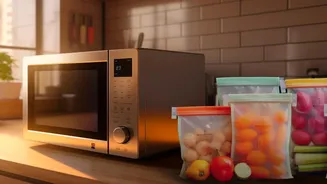
Properly reheating leftovers is just as important as storing them correctly. When you're ready to eat, ensure you heat the food thoroughly until it is steaming hot, bringing liquids like dal and curries to a full boil. This helps kill any bacteria that may have developed during storage. However, it's crucial to understand that reheating is not a fix for food that was left out for too long initially. Some bacteria produce toxins that are heat-resistant, meaning they can survive the reheating process and still make you sick. To minimise risk and preserve nutrients, it is best to only reheat the portion you plan to eat, rather than repeatedly heating and cooling the entire batch.
General Kitchen Hygiene for the Season
Beyond specific foods, maintaining overall kitchen cleanliness is vital. Wash your hands thoroughly with soap and water before and after handling food. Keep your kitchen counters, chopping boards, and knives sanitised, especially after they've been in contact with raw meat or vegetables. It's wise to use separate chopping boards for raw and cooked items to prevent cross-contamination. Also, clean your refrigerator regularly, as spills and crumbs can harbor bacteria even in a cold environment. Finally, always use clean, purified, or boiled water for cooking, as waterborne diseases also see a spike during the monsoon.