

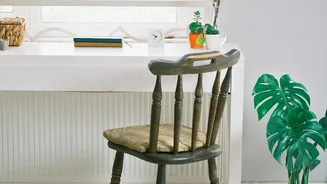
More Than Just a Passing Trend
In contemporary Indian interior design, sustainability is no longer a niche concept but a driving force. Homeowners are increasingly moving away from mass-produced, 'fast décor' and choosing pieces with history and character. This trend involves upcycling
or repurposing old furniture, a practice that breathes new life into discarded items. It's an approach that is both environmentally conscious and deeply personal, reducing waste while creating spaces that tell a unique story. Designers and homeowners are recognizing that older furniture often boasts superior quality wood and craftsmanship compared to many modern alternatives, making it a smart investment for the long term.
A Bridge to Our Heritage
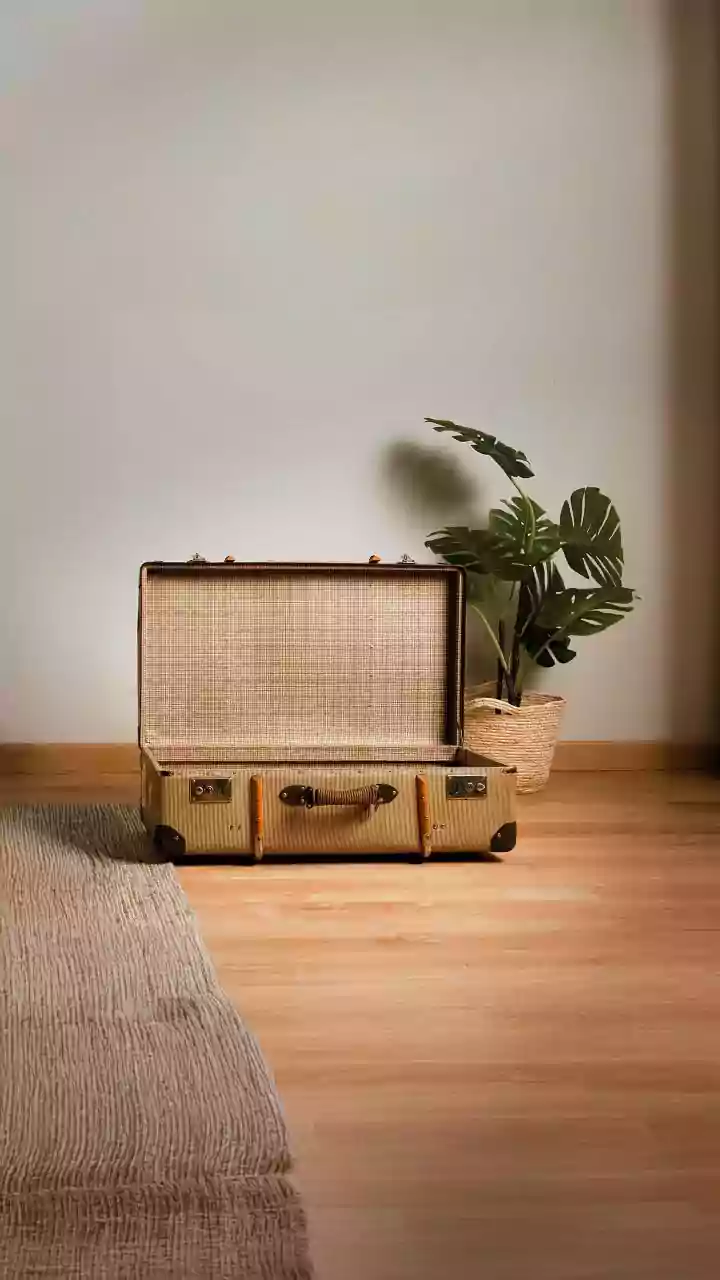
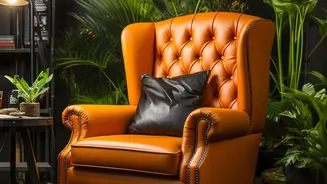
The appeal of using old furniture goes beyond its physical attributes; it’s an emotional connection to the past. In a rapidly modernising India, these pieces serve as tangible links to our roots and family histories. An old dresser restored as a bathroom vanity, a colonial-era armchair reupholstered in contemporary fabric, or a heavy wooden trunk used as a coffee table all carry memories. They bring the warmth and soul of an ancestral 'haveli' or a childhood home into a modern apartment, creating a sense of continuity and grounding. This blend of nostalgia and modern living allows for a design that is both globally aware and unmistakably Indian.
The New-Old Aesthetic
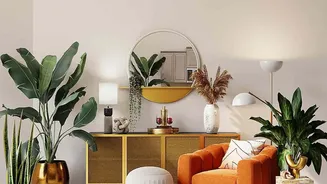
Integrating vintage pieces into a modern setting is an art of balance. The goal isn't to create a museum but to foster a conversation between different eras. A key technique is to make a single, striking heritage piece the focal point of a room, such as a carved wooden console or cabinet. Surrounding it with clean-lined modern furniture, neutral walls, and contemporary lighting prevents the space from feeling cluttered or dated. The contrast between the rich texture of aged wood and the simplicity of modern upholstery like linen creates a sophisticated, current look. Similarly, pairing wood with brass accents and a modern third element like a geometric rug or bold wall art can beautifully bridge the style gap.
A Boost for Local Craftsmanship
This sustainable trend also has a vital economic and cultural impact. It champions and helps preserve India's rich legacy of craftsmanship, which has been honed over centuries. The process of restoring and repurposing old furniture requires specialised skills in woodworking, polishing, and upholstery, providing livelihoods for local artisans. By choosing to refurbish an old piece, consumers are not only making an eco-friendly choice but are also investing in the preservation of traditional skills that might otherwise fade away. This conscious consumerism fosters an ecosystem where heritage crafts are valued and can continue to thrive in a modern marketplace.
Simple Ways to Start
Incorporating this trend into your own home doesn't require a complete overhaul. You can start small. An old wooden ladder can be repainted and used as a stylish bookshelf or a towel rack. A pair of old chairs can be joined with a wooden plank to create a charming bench for a balcony. Even discarded items like glass bottles can be turned into unique pendant lights, and old window frames can be repurposed as room dividers or wall art. Simple acts like repainting a wooden chair or using old ceramic jars as planters can add a touch of vintage charm and personal history to your living space.