



Pomegranate: The Antioxidant Jewel
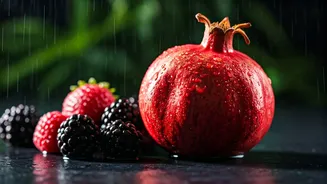
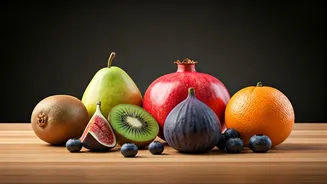
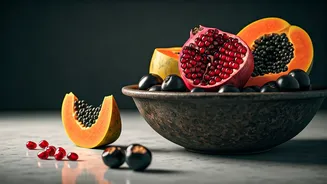
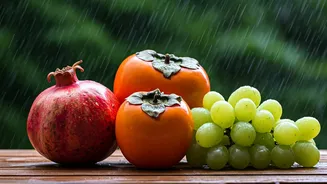
Often called a 'superfood,' the pomegranate lives up to the hype, especially during the fall and early winter when it comes to peak season. Each globe hides hundreds of ruby-red arils, which are small, edible seeds encased in a juicy pulp. These arils are packed
with powerful antioxidants, particularly punicalagins, which have been shown to have potent anti-inflammatory effects. This is especially welcome when damp weather seems to make every ache and pain feel more pronounced.Beyond inflammation, pomegranates are a great source of fiber, which supports a healthy gut, and Vitamin C, a cornerstone of immune function. Many people are intimidated by the process of de-seeding a pomegranate, but there’s an easy trick: cut the pomegranate in half, hold it seed-side down over a large bowl, and firmly whack the back of the rind with a wooden spoon. The arils will fall right out, ready to be sprinkled over yogurt, added to salads for a bright crunch, or simply eaten by the spoonful as a vibrant, healthy snack.
Pears: The Comforting Fiber Source
Nothing says autumn comfort quite like a perfectly ripe pear. While available year-round, their flavor and texture are unparalleled during their peak season from late summer through the fall. Pears offer a gentle sweetness and a satisfying, buttery texture that feels like a treat, but they are nutritional powerhouses. They are one of the best fruit sources of fiber, with a single medium-sized pear providing about 6 grams, or over 20% of the recommended daily intake. This soluble fiber is crucial for digestive health, promoting regularity and feeding the beneficial bacteria in your gut microbiome, which is a key component of your overall immune system.Furthermore, the fiber helps stabilize blood sugar, preventing the energy crashes that can make gray days feel even more sluggish. Pears are also a good source of Vitamin C and copper, both of which play roles in immunity and energy production. For a simple rainy-day dessert, try baking pear halves with a sprinkle of cinnamon until they are soft and caramelized. Varieties like Bartlett are great for eating fresh, while Bosc or Anjou hold their shape well when cooked.
Citrus: The Classic Sunshine Boost
When you think of fighting off a cold, you probably think of Vitamin C, and for good reason. During the late fall and winter months—prime time for seasonal sniffles—citrus fruits like oranges, clementines, and grapefruits are at their absolute sweetest and juiciest. They are the undisputed champions of Vitamin C, a critical nutrient that stimulates the production of white blood cells, our body’s primary defense against infection.But the benefits go beyond just immunity. The bright, zesty scent of citrus has been shown in studies to have a mood-lifting effect, helping to combat the low spirits that can sometimes accompany a long stretch of gloomy weather. It's like peeling open a little burst of sunshine. Citrus fruits also contain flavonoids, compounds that work alongside Vitamin C as antioxidants to protect your cells from damage. They are incredibly versatile: start your day with a glass of fresh-squeezed juice, add segments to a winter salad for a pop of color and flavor, or simply peel and eat a clementine for an easy, portable snack that brightens your day from the inside out.