




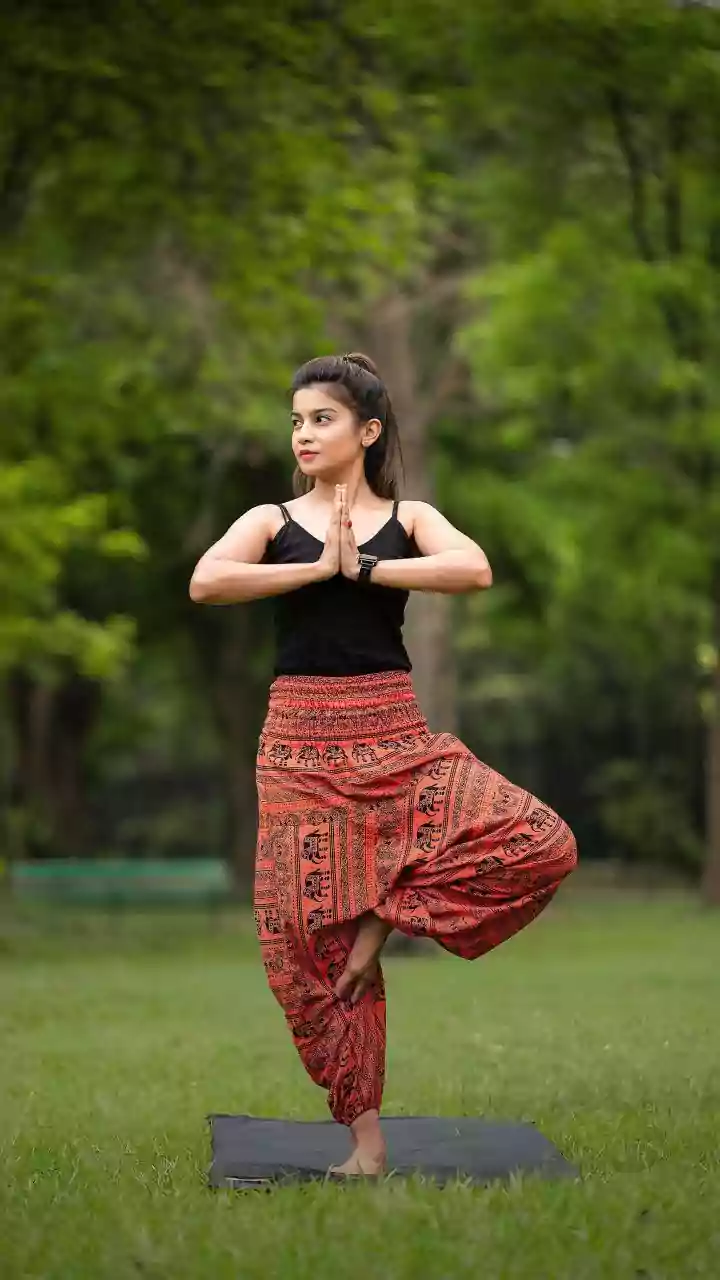



In our fast-paced lives, stress can feel unavoidable. But what if a powerful tool for boosting your mental and physical health was just a short walk away? Public parks offer a free, accessible escape and a space for 'green exercise'.
The Power of Green Exercise
The term 'green exercise'
refers to any physical activity performed in a natural environment. Think of a brisk walk through your local park, a morning yoga session on the grass, or even a game of cricket with friends. While any exercise is beneficial, research suggests that taking your workout outdoors amplifies the rewards. Studies have shown that people often perceive outdoor exercise as less demanding, which can increase motivation. The combination of physical movement and exposure to nature creates a synergistic effect that benefits both body and mind in ways that an indoor gym session cannot fully replicate.
A Natural Prescription for Your Mind
The mental health benefits of spending time in parks are profound. Exposure to natural environments is a proven strategy for improving mental wellbeing. Research consistently shows that even short periods in a green space—as little as 10 to 20 minutes—can significantly lower levels of cortisol, the body's primary stress hormone. This leads to a calmer state, often reducing blood pressure and heart rate. The effect is so recognised that the Japanese practice of 'shinrin-yoku' or 'forest bathing'—immersing oneself in nature—has gained global popularity as a therapeutic tool. Beyond stress reduction, being in nature helps combat anxiety and rumination—the tendency to get stuck in negative thought patterns. Sunlight boosts the body's production of vitamin D and serotonin, a hormone that elevates mood, directly helping to counter symptoms of depression and anxiety.
More Than Just a Walk in the Park
Public parks are versatile platforms for a wide range of physical activities that go far beyond a simple stroll. Many parks in India and around the world feature walking and jogging tracks, outdoor fitness stations, and open spaces perfect for everything from badminton to group fitness classes. This variety makes it easier for people to find an activity they genuinely enjoy, which is key to building a sustainable exercise habit. Regular physical activity is crucial for preventing chronic conditions like cardiovascular disease, type II diabetes, and hypertension. Parks provide a free and accessible venue for people to engage in the movement necessary to maintain a healthy weight, improve heart health, and strengthen their immune systems.
Accessible Health for the Whole Community
One of the most significant advantages of public parks is their accessibility. They offer a space for health and wellness that doesn't require an expensive gym membership, catering to people of all ages, fitness levels, and economic backgrounds. Parks act as natural community hubs, fostering social connections that are vital for mental health and combating loneliness. Well-designed parks include amenities like playgrounds for children, smooth paths for older adults or those with mobility challenges, and benches for quiet reflection. This inclusive design ensures that everyone has the opportunity to benefit from being active in a green, welcoming environment. By breaking down barriers to physical activity, parks play a critical role in promoting public health on a community-wide scale.