


A High-Altitude Desert
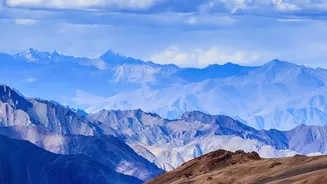
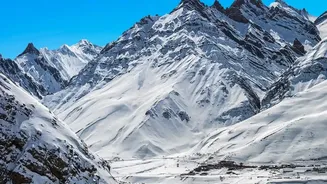
Ladakh's magic lies in its unique geography. Tucked away on the leeward side of the great Himalayan range, it is a classic 'rain-shadow' region. The towering, snow-capped peaks act as a massive barrier, blocking the moisture-laden monsoon clouds that
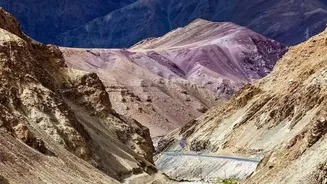
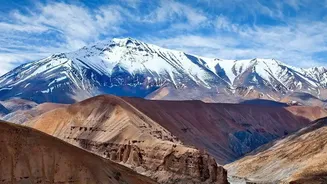
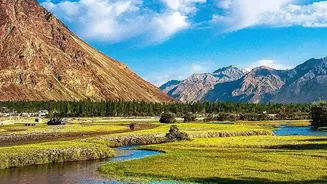
sweep across the Indian subcontinent from June to September. While popular spots in Himachal Pradesh and Uttarakhand experience heavy downpours, Ladakh remains a cold desert, receiving minimal rainfall. This results in a landscape defined by stark, barren mountains, deep blue skies, and an almost surreal clarity of light, making it an ideal destination when other hilly areas are inaccessible or risky due to landslides.
The Perfect Monsoon Getaway
The best time to visit Ladakh is from May to September, a period that conveniently overlaps with the peak monsoon season elsewhere in India. During these months, you can expect pleasant daytime temperatures hovering between 20°C and 25°C, with abundant sunshine perfect for sightseeing and outdoor activities. While the rest of the country deals with humidity and rain, Ladakh offers clear views, open roads, and a vibrant atmosphere. This is the peak tourist season, when all major attractions, high-altitude passes, and trekking routes are accessible. It’s worth noting that while Ladakh is famously dry, climate patterns have been shifting, and the region has seen an increase in rainfall in recent years, though still far less than other Himalayan states.
Unforgettable Experiences Under the Sun
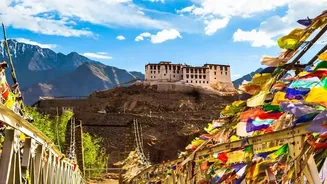
Ladakh's dry summer months unlock a world of adventure. You can drive over the world's highest motorable passes, like Khardung La, to reach the otherworldly sand dunes of the Nubra Valley, complete with its double-humped Bactrian camels. Another must-see is the breathtaking Pangong Tso, a high-altitude lake whose waters shift through mesmerising shades of blue. The region is also a spiritual hub, home to ancient Buddhist monasteries such as Thiksey, Hemis, and Diskit, which cling dramatically to rocky cliffs. For thrill-seekers, the weather is perfect for white-water rafting on the Zanskar and Indus rivers, mountain biking through rugged terrain, or embarking on one of the many world-class treks.
Planning Your Journey
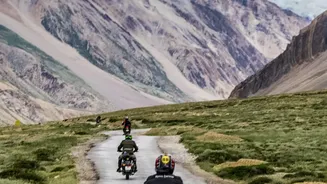
Reaching this remote paradise is an adventure in itself. The quickest way is to fly directly into Leh's Kushok Bakula Rimpochee Airport, which is well-connected to major Indian cities like Delhi and Mumbai. The flight offers spectacular aerial views of the Himalayas. Alternatively, many travellers opt for a classic road trip via one of two main routes: the Manali-Leh Highway or the Srinagar-Leh Highway. Both routes offer stunning, dramatic scenery but are only open from around May to October. The Srinagar route has a more gradual ascent, which can help with acclimatisation.
A Word on Acclimatisation
Ladakh's high altitude—with Leh situated at around 3,500 meters (11,500 feet)—is a serious consideration. Flying directly to Leh involves a sudden jump in elevation, and the lower oxygen levels can cause Acute Mountain Sickness (AMS), with symptoms like headaches, nausea, and fatigue. The most crucial rule for a safe and enjoyable trip is to acclimatise properly. Spend your first 24 to 48 hours in Leh resting completely. Avoid any strenuous activity, drink plenty of water (3-4 litres a day), and eat light, high-carbohydrate meals. This allows your body the time it needs to adjust before you head out to explore higher-altitude areas like Pangong Lake or Khardung La.