

In the morning rush, a box of cereal or a packaged bar seems like an easy win. But what if the secret to sustained energy and better health lies in the traditional cooked breakfasts our grandparents swore by?
The Blueprint for a Better Morning
What makes a truly good breakfast? It’s not
just about filling an empty stomach; it’s about fueling your body and brain for the hours ahead. A balanced breakfast should provide a mix of complex carbohydrates for energy, protein for fullness and muscle maintenance, and fibre to slow digestion and stabilise blood sugar levels. This trio works together to prevent the dreaded mid-morning crash, where a spike in blood sugar is followed by a sharp drop, leaving you feeling tired, irritable, and hungry again. The goal is steady, reliable energy, not a temporary sugar high.
The Nutritional Power of Tradition
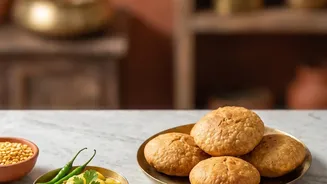
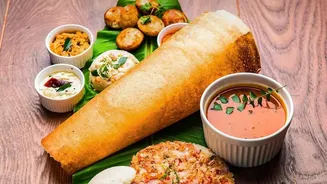
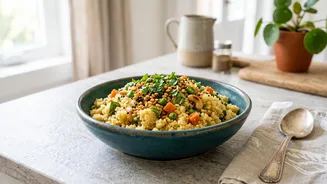
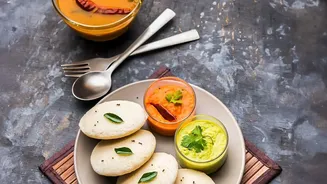
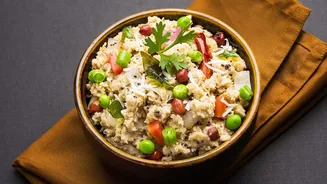
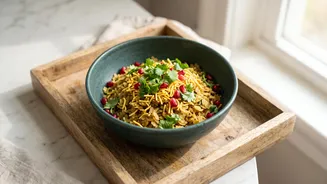
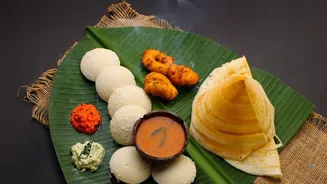
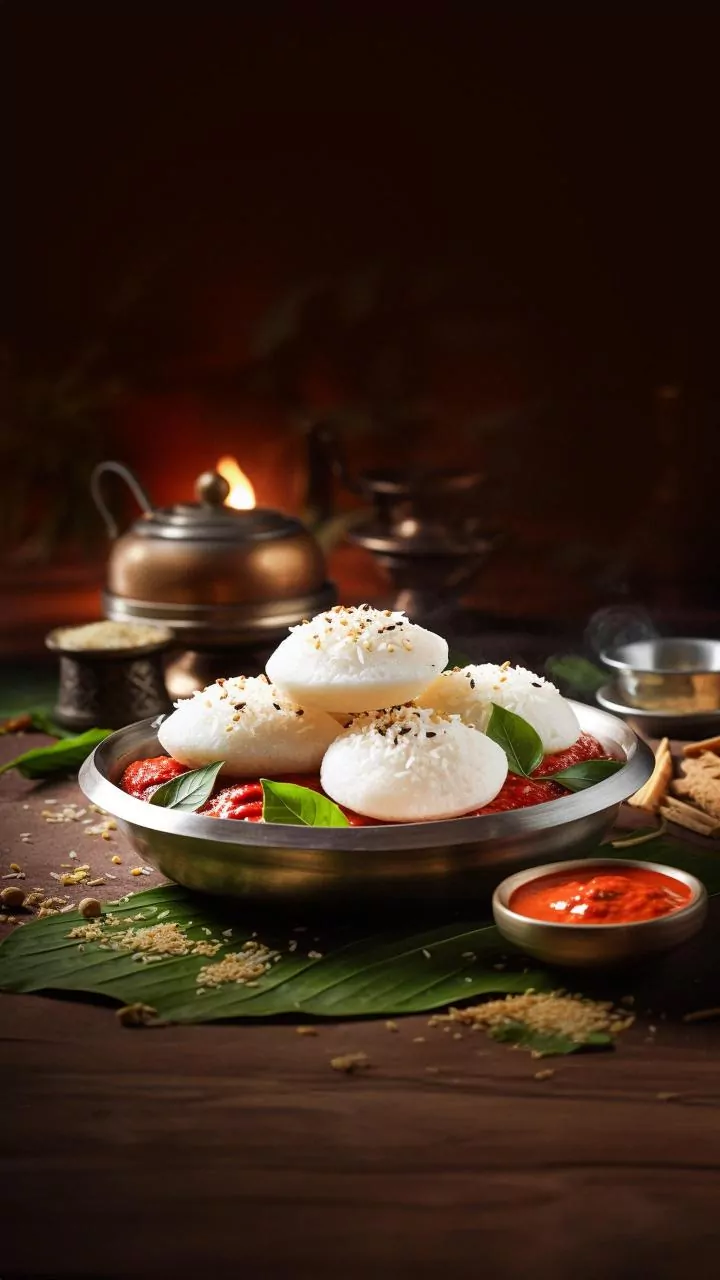
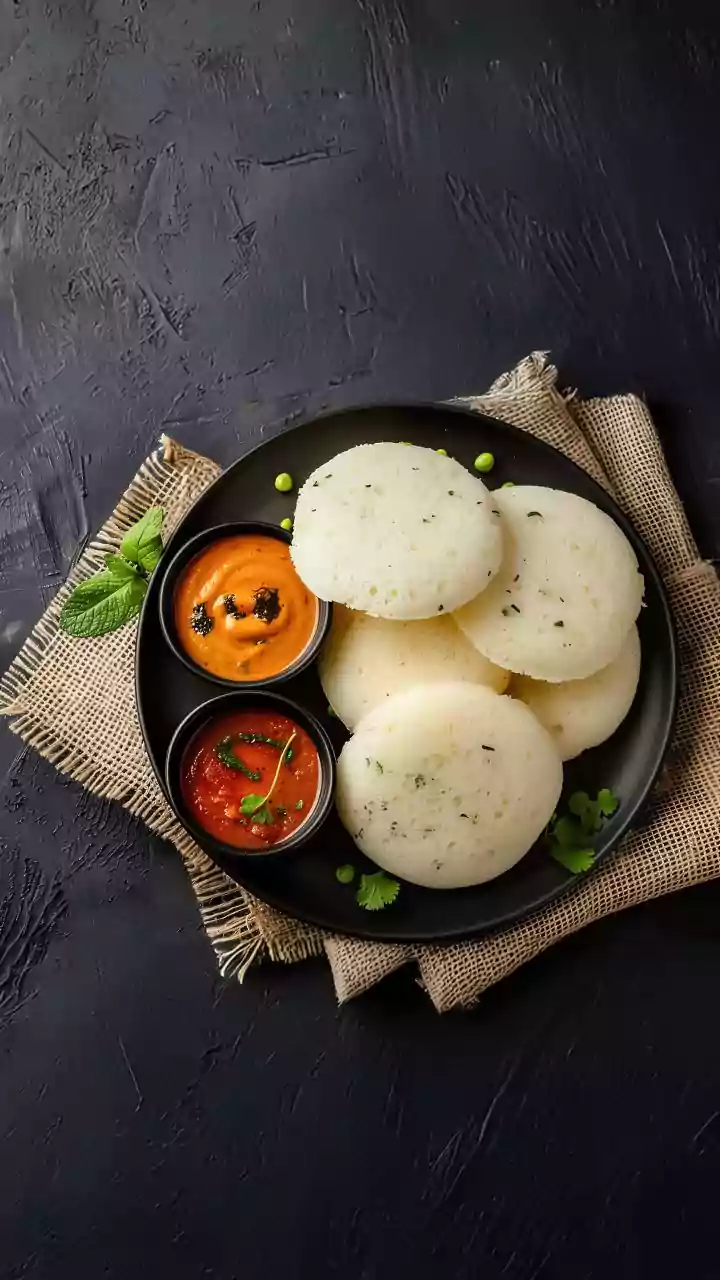
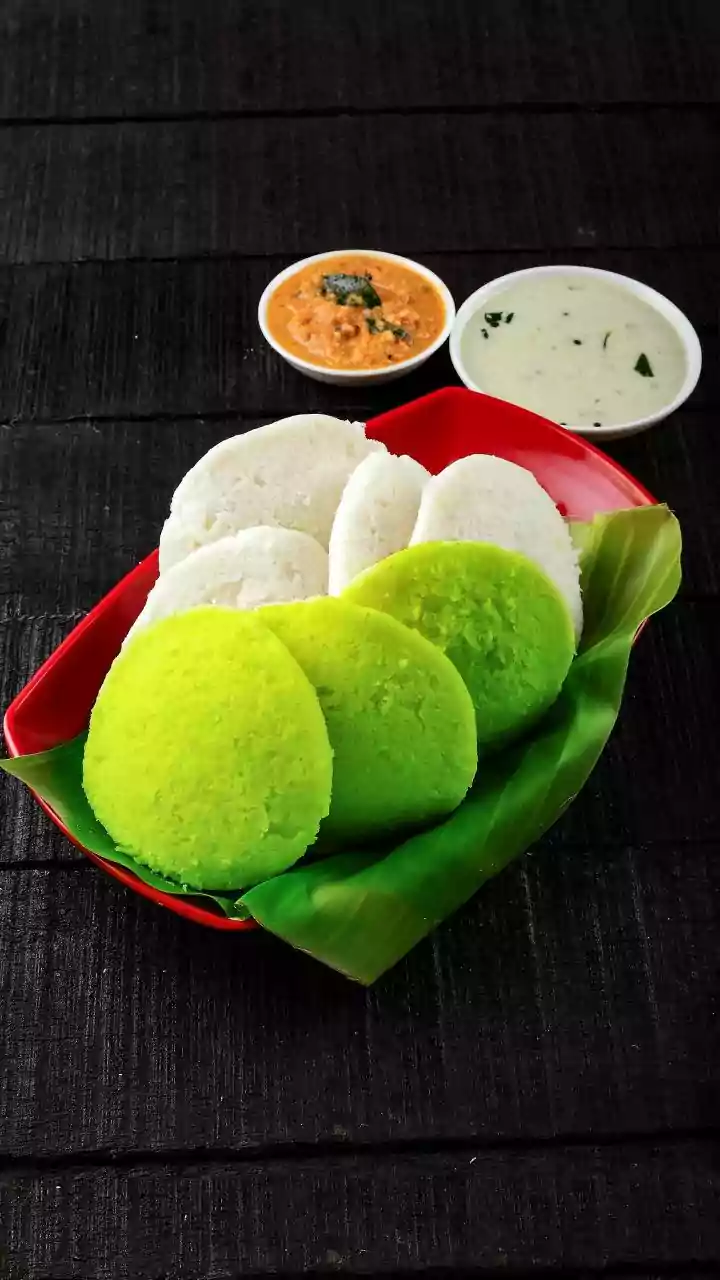
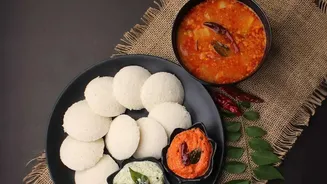
This is where traditional Indian breakfasts shine. They are naturally designed for balance. Take, for example, a plate of poha. Made from flattened rice, it's light and easy to digest. When prepared with vegetables and peanuts and seasoned with turmeric and curry leaves, it becomes a well-rounded meal delivering carbohydrates, a touch of protein, and antioxidants. Similarly, South Indian staples like idli and dosa are celebrated for good reason. Made from a fermented batter of rice and lentils, they are not only a great source of protein and carbohydrates but are also rich in probiotics. This fermentation process pre-digests the nutrients, making them easier for our bodies to absorb and supporting good gut health, which is linked to everything from immunity to mood.
The Downside of the Supermarket Aisle
Contrast this with many popular processed morning foods. That colourful box of cereal or a convenient breakfast bar is often a different story. The primary ingredients are frequently refined grains and a significant amount of added sugar. This combination can lead to a rapid spike and subsequent crash in blood sugar. The extrusion process used to create many cereals can also destroy nutrients in the grains. While these products are often fortified with vitamins and minerals, they lack the complex, whole-food synergy of a freshly prepared meal. They are typically low in protein and fibre, the two key components that provide lasting satiety, or the feeling of fullness.
More Than Just Nutrients
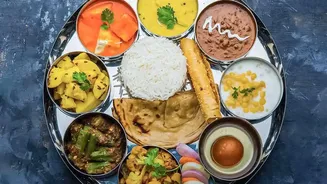
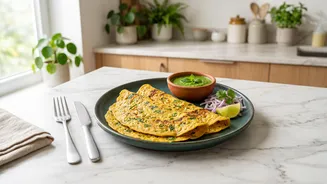
The benefits of a cooked Indian breakfast extend beyond the plate. The act of preparing and eating a warm, flavourful meal is a more mindful experience than eating from a box while standing. The spices used in Indian cooking, like turmeric and cumin, are not just for flavour; they have medicinal properties, including anti-inflammatory and digestive benefits. Even a simple moong dal cheela, rich in plant-based protein, can provide around 12–15 grams of protein per serving, helping you stay full and focused until lunch. These meals connect us to a rich culinary heritage, proving that healthy eating doesn't require exotic ingredients but can be found in the wisdom of our own kitchens.
Making Tradition Work in a Modern World
The biggest argument for processed food is convenience. But with a little planning, traditional breakfasts can be just as manageable. Idli and dosa batter can be made on the weekend and stored for several days. Poha takes only minutes to prepare. Even parathas can be made healthier by using whole wheat flour, stuffing them with vegetables or paneer, and cooking them with minimal oil. The key is not to view it as an all–or–nothing choice. Swapping a processed breakfast for a cooked one just a few times a week can make a significant difference to your energy levels and overall well–being.