




Star Wars: A New Hope (1977) - The Merchandising Blueprint
Before 1977, movie merchandise was often an afterthought. George Lucas’s space opera changed that forever. When Star Wars became a surprise blockbuster, the demand for toys was so high that the manufacturer, Kenner, had to sell empty boxes with an “Early
Bird Certificate” for the Christmas season, promising to ship the action figures later. This unprecedented situation proved that a film's world could generate immense revenue long after the credits rolled. Lucas famously negotiated to retain the merchandising and sequel rights, a deal that reshaped the industry's business model. Star Wars didn't just create a new cinematic universe; it created a new economic one, making ancillary products like toys, comics, and apparel a core part of a blockbuster's strategy. Its use of classic mythic storytelling, combined with groundbreaking visual effects from the newly founded Industrial Light & Magic (ILM), set a template for the modern blockbuster.
Titanic (1997) - The Four-Quadrant Phenomenon
James Cameron’s epic romance and disaster film did more than just break box office records; it became a global cultural touchstone. For months, Titanic dominated cinemas, drawing audiences of all ages and genders back for repeat viewings. Its appeal was universal: a sweeping, tragic love story set against a meticulously recreated historical event. The film was a technological marvel, pushing the boundaries of digital effects to bring the ship's sinking to life in terrifying detail. This drove a new wave of interest in large-scale, effects-driven filmmaking. But its true power was emotional. The story of Jack and Rose, combined with Celine Dion's iconic theme song, created a shared experience that resonated worldwide, sparking renewed interest in the historical tragedy and influencing fashion and pop culture for years. It proved that an original, standalone story could still dominate a theatrical landscape increasingly reliant on sequels.
Avatar (2009) - The 3D Game Changer
Just when it seemed his box office record with Titanic was untouchable, James Cameron did it again. Avatar didn't just become the highest-grossing film of all time (a title it still holds after several re-releases); it single-handedly ushered in the modern era of 3D cinema. Cameron developed new technology to create the immersive, computer-generated world of Pandora and its Na'vi inhabitants. The result was a visual spectacle so stunning that audiences flocked to theatres to experience it, making 3D a must-have for the next wave of blockbusters. While its story of a soldier going native drew comparisons to other tales, the film's revolutionary motion-capture technology and world-building were undeniable game-changers. Avatar proved that a visionary director could still create a wholly original world and convince global audiences to buy a ticket to visit it.
Avengers: Endgame (2019) - The Culmination of a Universe
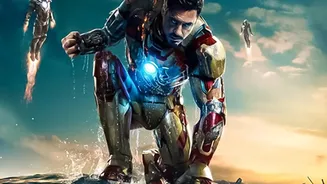
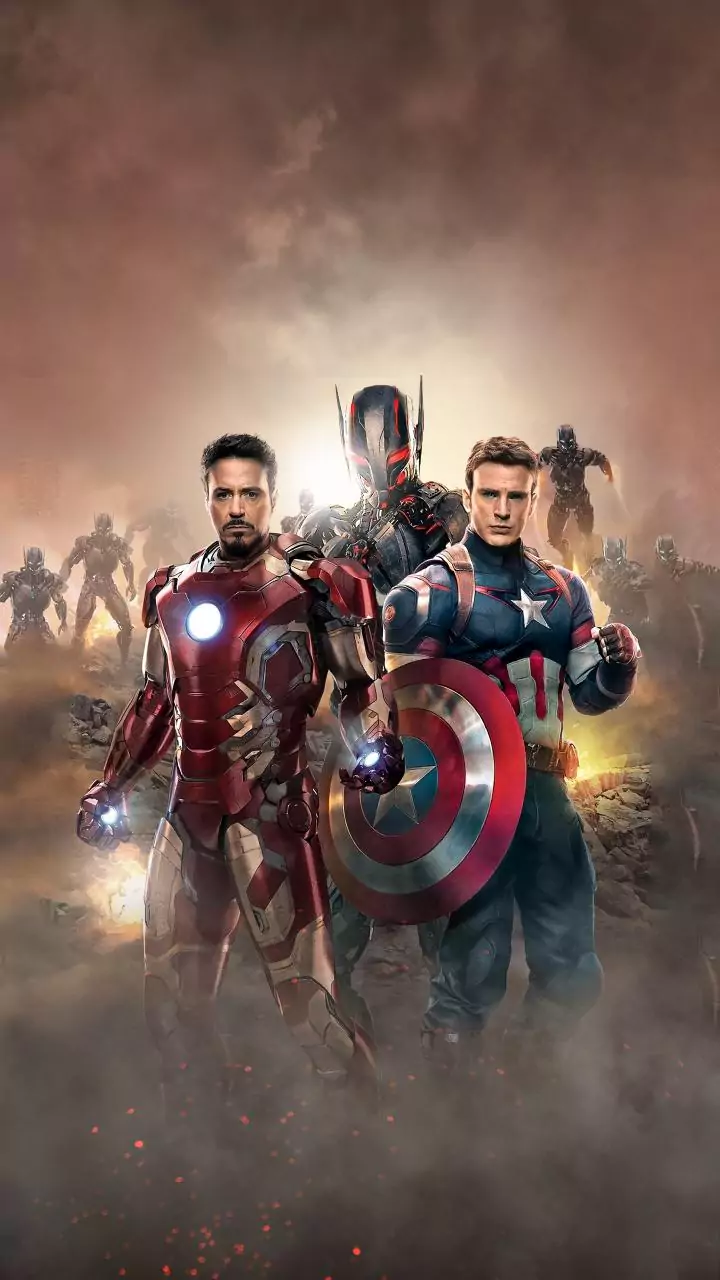
Avengers: Endgame was more than a movie; it was the unprecedented finale of a 22-film saga. Its record-breaking opening weekend was the result of a decade of intricate, interconnected storytelling by Marvel Studios. The film represented the peak of shared-universe filmmaking, rewarding loyal fans who had followed characters like Iron Man and Captain America for years. The theatrical experience was a communal event, with audiences cheering, gasping, and crying together at key moments. Endgame demonstrated the immense power of building a long-form narrative across multiple films, creating a level of emotional investment and anticipation that no standalone movie could replicate. It wasn't just a sequel; it was a cultural culmination that brought a decade of modern blockbuster filmmaking to an epic and emotionally satisfying conclusion, setting a new standard for what a cinematic universe could achieve.