

The Vision Behind UDAN
At the heart of this transformation is the Ude Desh ka Aam Nagrik (UDAN) scheme, a government initiative designed to make air travel accessible to the common citizen. Launched in 2016, its primary goal is to connect unserved and underserved airports across
the country, boosting regional economies and making travel more democratic. The scheme works by providing viability gap funding (VGF) to airline operators, essentially a subsidy to make flying on financially challenging routes commercially viable. This has led to the operationalization of hundreds of new routes, connecting towns and cities that were previously hours or days apart by road or rail.
Why Seaplanes are a Game-Changer
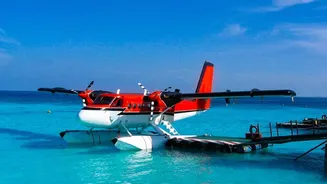
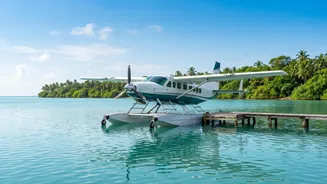
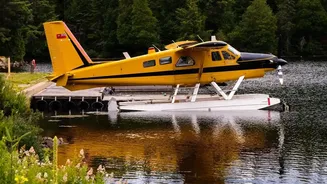
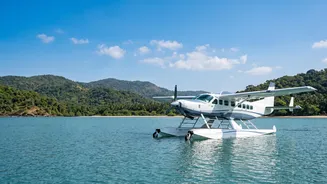
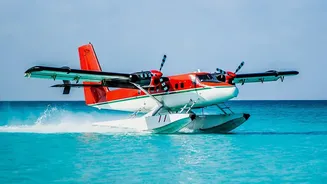
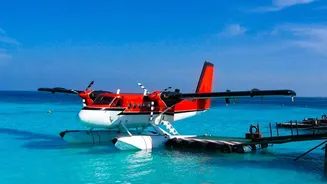
Seaplanes are a natural fit for the UDAN scheme's objectives, especially for a country with a 7,500-kilometre coastline, numerous rivers, and vast backwaters. These amphibious aircraft do not require expensive runways; any suitable water body can serve as an aerodrome. This unique capability allows them to connect remote islands, isolated coastal communities, and inland reservoirs that are impractical or prohibitively expensive to reach with traditional airports. By turning a four-hour ferry ride into a 30-minute flight, seaplanes offer unprecedented speed and convenience, unlocking new possibilities for tourism, medical emergencies, and local commerce.
Mapping the New Coastal Routes
Under UDAN, the government has awarded numerous seaplane routes to connect key coastal and island territories. The most notable early route connected the Sabarmati Riverfront in Ahmedabad to the Statue of Unity in Kevadia, though it was later suspended. The current focus has shifted heavily towards island and coastal connectivity. Ambitious plans are underway to connect the Andaman and Nicobar Islands, including routes to Havelock (Swaraj Dweep), Neil Island (Shaheed Dweep), and Long Island. Similarly, the Lakshadweep archipelago is a prime area for development, with routes planned to connect islands like Agatti, Kavaratti, and Minicoy from the mainland, particularly Kochi. States like Kerala, with its extensive backwaters, and Assam have also seen seaplane routes awarded to boost tourism and connectivity.
Boosting Tourism and Local Economies
The primary benefit of seaplane connectivity is the significant boost it provides to tourism. These services open up previously hard-to-reach destinations, attracting a new segment of tourists seeking unique and convenient travel experiences. This influx of visitors has a direct ripple effect on local economies, creating jobs and supporting small businesses like hotels, restaurants, and tour operators. For island communities in places like Lakshadweep and the Andamans, seaplanes offer more than just tourism; they provide a vital link for residents, enabling faster access to healthcare and essential services on the mainland.
Navigating Past and Present Challenges
Despite the immense potential, the journey of seaplanes in India has faced turbulence. Past attempts, including the pioneering Jal Hans service in the Andamans in 2010 and the Ahmedabad-Kevadia route, struggled with high operational costs, maintenance issues, and inconsistent passenger demand, proving that novelty alone cannot sustain a service. Key challenges remain, including the need for robust water aerodrome infrastructure, a clear regulatory framework, and creating commercially viable business models that don't solely depend on subsidies. Environmental concerns and opposition from local communities, such as fishing unions, have also posed hurdles in some regions.