



The Global Shift to Simpler Plates
Across the world, there's a growing movement away from complex, ultra-processed foods. People are increasingly seeking simpler meals made from fresh, recognizable ingredients that support overall wellbeing, from better energy to improved mood. This 'back-to-basics'
approach prioritizes whole foods, transparency in labeling, and a mindful connection to what we consume. It’s a reaction against confusing diet trends and a desire to regain control over our nutrition. In essence, the modern ideal is becoming a plate that is less engineered and more in tune with nature. But for many in India, this philosophy isn't a recent discovery; it's a deeply ingrained tradition we've practiced for generations.
India's Ancient Secret: Eating With the Seasons
Long before 'seasonal eating' became a wellness hashtag, it was a fundamental principle of Indian life, guided by Ayurvedic wisdom known as Ritucharya. This practice involves adjusting diet and lifestyle to match the characteristics of each season. The logic is simple and profound: nature provides the foods best suited to help our bodies cope with the prevailing climate. Our grandparents intuitively knew this, preparing lighter, cooling meals in summer and switching to warmer, nourishing foods in winter without needing a diet chart. This approach ensures that produce is at its peak in terms of flavor and nutritional density, as it's grown and harvested naturally, not in artificial conditions.
Summer's Cooling Bounty
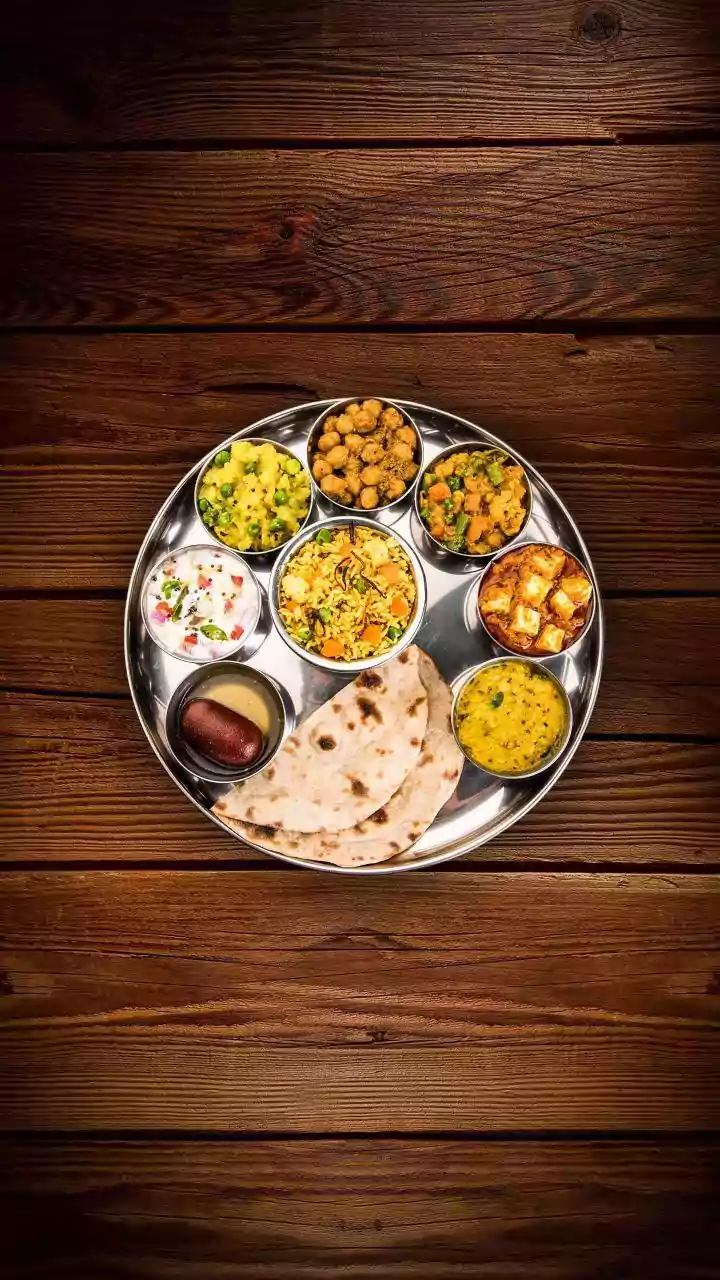
When the summer heat intensifies, the body naturally craves lighter, hydrating foods to stay cool and prevent dehydration. Traditional Indian summer kitchens reflect this perfectly. Meals feature an abundance of water-rich vegetables like cucumber and various gourds (lauki). Cooling drinks are essential, from the tangy Aam Panna made with raw mangoes to replenish electrolytes, to refreshing buttermilk (chaas) and coconut water. Dishes are often yogurt-based, like raita, which provides a cooling effect. These foods are not just delicious; they are specifically chosen to reduce internal body heat and make digestion easy during a time when heavy, oily foods can feel sluggish.
Monsoon Meals for Immunity
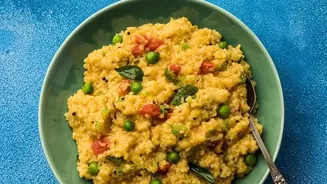
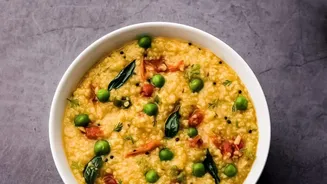
The monsoon brings relief from the heat but also introduces high humidity and a greater risk of infections, which can weaken our digestive fire, or 'agni'. Traditional Indian diets adapt by shifting to warm, freshly cooked, and easily digestible meals. This is the season for immunity-boosting spices like ginger, turmeric, and black pepper. Comforting dishes like khichdi and light moong dal preparations become staples. In South India, the peppery and tangy rasam is a monsoon essential, known for its ability to provide warmth and support digestion. While crispy pakoras and hot chai are beloved snacks, the underlying principle of monsoon eating is to keep meals simple and supportive of the body's natural defenses.
Winter's Warmth and Nourishment
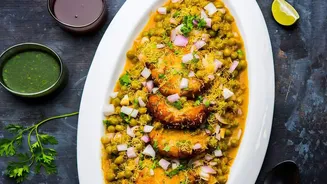
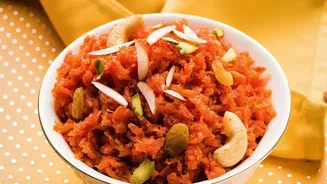
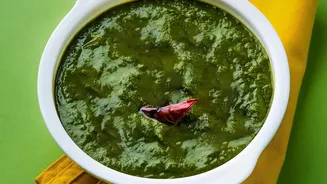
As the weather turns cold, our digestive systems become stronger, allowing us to handle richer, more nourishing foods that provide warmth and energy. Winter is the season for heartier meals. Across North India, this means enjoying greens like sarson ka saag (mustard greens) with makki di roti (corn flatbread). Root vegetables like carrots, beets, and sweet potatoes are abundant and find their way into everything from sabzis to comforting chaats. Warming spices such as cinnamon, cardamom, and nutmeg become more prominent in cooking. Traditional sweets like Gajar ka Halwa (carrot pudding) and energy-dense preparations like Panjiri are made to provide sustained warmth and nourishment.