


The Auto-Rickshaw Riddle
The humble auto-rickshaw is an iconic and indispensable part of urban India, perfect for navigating narrow lanes. However, relying on them without a strategy can be costly. In many cities, negotiating the fare is standard practice, as drivers may be reluctant
to use the meter. Fares can vary significantly based on distance, time of day, and your bargaining skills. For instance, a short ride might cost anywhere from ₹50 to ₹150, and these small amounts add up. Night charges, typically applied after 10 or 11 PM, can increase the base fare by 25-50%. To manage this, always agree on a price before you start your journey or insist on using the meter, which is a legal requirement in cities like Mumbai and Delhi. Knowing the approximate per-kilometre rate (which can range from ₹8 to ₹18 depending on the city) gives you a stronger negotiating position.
The Ride-Hailing Rollercoaster
Apps like Ola and Uber have revolutionised city travel, offering convenience and upfront pricing. However, they are susceptible to surge pricing, especially during peak hours, festivals, or adverse weather like monsoons. A ride that normally costs ₹200 can easily double or even triple when demand is high. During major holidays like Diwali or New Year's, these surges can become the norm in popular destinations. Furthermore, drivers may sometimes cancel trips they deem unprofitable or too short, leading to frustrating delays. While convenient, solely depending on these apps can inflate your local travel budget significantly. Recent reports indicate that rising fuel expenses are putting upward pressure on fares, making the era of cheap convenience a thing of the past.
Public Transport: A Budget-Friendly Lifeline
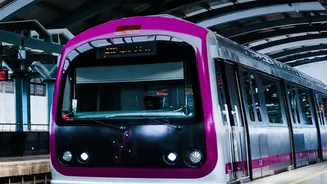
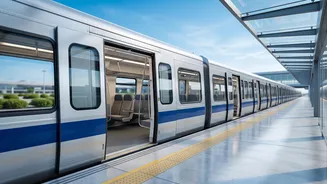
For the budget-conscious traveller, India's public transport systems are a lifeline. Metro networks in cities like Delhi, Mumbai, Bengaluru, and Kolkata are modern, air-conditioned, and incredibly cost-effective. A single journey across a large part of a city might cost between ₹40 and ₹80, a fraction of a cab fare. Similarly, public buses are the cheapest way to get around, with fares for short distances often as low as ₹10-₹15. While navigating these systems might seem daunting at first, they offer an authentic glimpse into local life. Investing in a smart card or a multi-day tourist pass can offer further savings and convenience, eliminating the need to queue for tickets for every ride. While they might be crowded during peak hours, the savings are often worth the effort.
The 'Last-Mile' Leakage
One of the most underestimated expenses is "last-mile connectivity." This refers to the short but frequent trips from your hotel to the main road, from the metro station to the monument, or from the bus stop to the market. A study on Delhi Metro users found that commuters often spend more on getting to and from the station via auto-rickshaws than on the metro fare itself. These individual ₹50 or ₹100 rides seem insignificant on their own, but over a ten-day, three-city trip, they can accumulate into a substantial sum, often accounting for a surprisingly large portion of your transport budget. This is where planning becomes crucial; sometimes a short walk can save you hundreds of rupees over the course of your holiday.
Strategic Planning for Smarter Savings
The key to managing local mobility costs is a blended approach. Don't rely on a single mode of transport. For long distances across a city, the metro is often the fastest and cheapest option. For shorter trips or in areas without good public transit, use an auto-rickshaw after agreeing on the fare. Use ride-hailing apps strategically, perhaps during off-peak hours or for late-night travel when safety is a priority. Consider staying in accommodations that are well-connected to public transport hubs. When visiting attractions, check if a single auto or cab can be hired for a 'round trip' or for a few hours at a fixed rate, which can be more economical than booking multiple one-way rides. A little research and flexibility can prevent your holiday budget from being drained one short ride at a time.