




A New Philosophy for Tourism
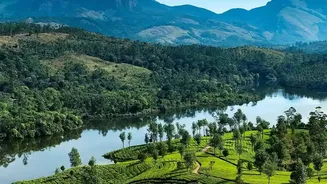
For years, Kerala has been a model for responsible tourism in India, earning international acclaim for its efforts. The state’s tourism department is now doubling down on this commitment with a more profound approach that goes beyond just eco-friendly
policies. This isn't about simply preserving nature; it's about actively improving it while ensuring the benefits of tourism are shared directly with local communities. The shift is from a passive, sightseeing model to an active, participatory one, where visitors are invited to connect with the soul of Kerala. This philosophy, often called 'Responsible Tourism', aims to make 'better places for people to live in and better places for people to visit', ensuring the sustainability of the destination for future generations.
What 'Destination Care' Means in Practice
This new approach materialises through several tangible initiatives. The state's award-winning Responsible Tourism (RT) Mission is at the heart of this transformation, which started as a pilot in 2008 and is now a statewide policy. A key component is empowering local communities by integrating them into the tourism supply chain. For instance, hotels and resorts are encouraged to source vegetables, fish, and other supplies directly from local farmers and fishermen, keeping the economic benefits within the village. Another major focus is waste management, with new rules linking the number of tourists allowed in ecologically sensitive areas to the local capacity for processing waste. Furthermore, new 'Green Marshals', a women-led force, are being deployed in major tourist spots to promote cleanliness and responsible behaviour among visitors.
The Tourist Experience, Reimagined
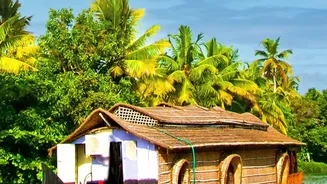
So, what does this mean for the average traveller? It means a more authentic and immersive experience. Instead of just visiting landmarks, tourists can now embark on 'life experience trails' that weave through villages, showcasing local cuisine, farming practices, and traditional crafts. These initiatives encourage meaningful interactions between visitors and residents. You might find yourself learning coir-making from a local artisan, taking a canoe tour guided by a village resident, or enjoying a meal prepared by a women-led culinary group. Homestays are heavily promoted, allowing visitors to experience the local culture firsthand. The focus is shifting from a standardised itinerary to a personalised journey that offers a deeper understanding of Kerala's heritage and way of life. This qualitative approach aims to attract visitors who value and respect the local culture and environment.
Empowering Communities, Protecting Paradise
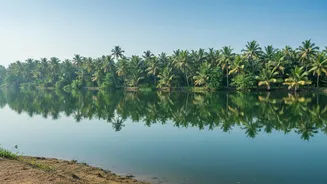
The ultimate goal is a symbiotic relationship where tourism acts as a force for good. By prioritising community participation, the model helps reduce economic leakage and fosters more inclusive growth. It provides jobs at the local level, protects the interests of traditional artisans, and gives communities a voice in how tourism is developed in their area. Projects like mangrove preservation in Kannur and the development of Village Life Experience packages show a clear commitment to both environmental conservation and cultural preservation. By empowering local stakeholders and creating direct economic opportunities, Kerala is building a more resilient and sustainable tourism ecosystem. This approach has not only won global awards but also serves as a powerful blueprint for other destinations grappling with the pressures of modern tourism.