






What is 'Responsible Travel,' Really?
The term 'responsible' or 'sustainable' tourism gets used a lot, but what does it actually mean? It’s about more than just not littering. It’s a conscious choice to travel in a way that respects and supports local cultures, economies, and the environment.
This includes everything from choosing homestays over large hotel chains to buying handicrafts directly from artisans and ensuring that your presence doesn't strain local resources. The Government of India has recognized this shift, creating a National Strategy for Sustainable Tourism to guide this growth. The goal is to ensure that tourism is inclusive, carbon-neutral, and protects India's vast natural and cultural heritage for future generations.
From Crowded Hotspots to Hidden Gems
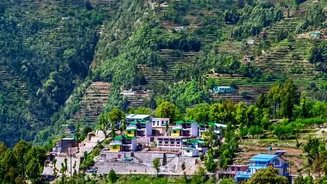
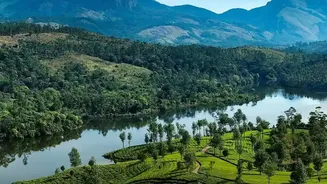
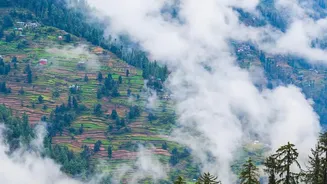
For years, Indian tourism was defined by a few key destinations. But travellers are increasingly seeking out the unexplored. Instead of the usual suspects, they are heading to places like the Spiti Valley in Himachal Pradesh for its community-run, solar-powered homestays, or Thenmala in Kerala, India's first planned eco-tourism destination. Other emerging areas include Nagaland's Khonoma, the country's first 'green village' known for its community conservation efforts, and the serene backwaters of Odisha, where women lead homestay and handicraft enterprises. This pivot isn't just about avoiding crowds; it’s a search for authenticity and a desire to see a different side of India, one that is rooted in community and nature.
Why is This Happening Now?
Several factors are driving this change. Post-pandemic, there's a heightened desire for meaningful experiences and a deeper connection with nature. Many travellers report wanting to leave a place better than they found it. Surveys show a significant percentage of Indian travellers now prioritize sustainability in their travel plans. The rise of digital platforms and social media has also played a huge role, allowing hidden gems to gain visibility outside of traditional marketing. Furthermore, the ability to work remotely has enabled people to take longer trips to more secluded locations, immersing themselves in the local way of life. This 'inward wanderlust' is a powerful shift towards domestic exploration and appreciating the richness within India's own borders.
Benefits and a Word of Caution
The benefits of this trend for smaller communities are significant. Responsible tourism can diversify local economies, create jobs, reduce migration to cities, and empower residents, particularly women, by providing financial independence. It also provides a powerful economic incentive for environmental conservation and the preservation of cultural heritage. However, this new attention is a double-edged sword. Unchecked tourism, even with good intentions, can lead to the very problems it seeks to avoid: strain on fragile ecosystems, waste management issues, and the commercialization of culture. The key is careful management and ensuring that local communities are at the forefront of planning and decision-making, so that growth remains truly sustainable.