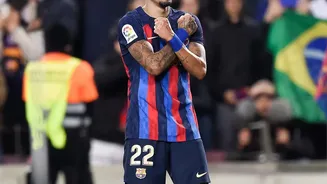


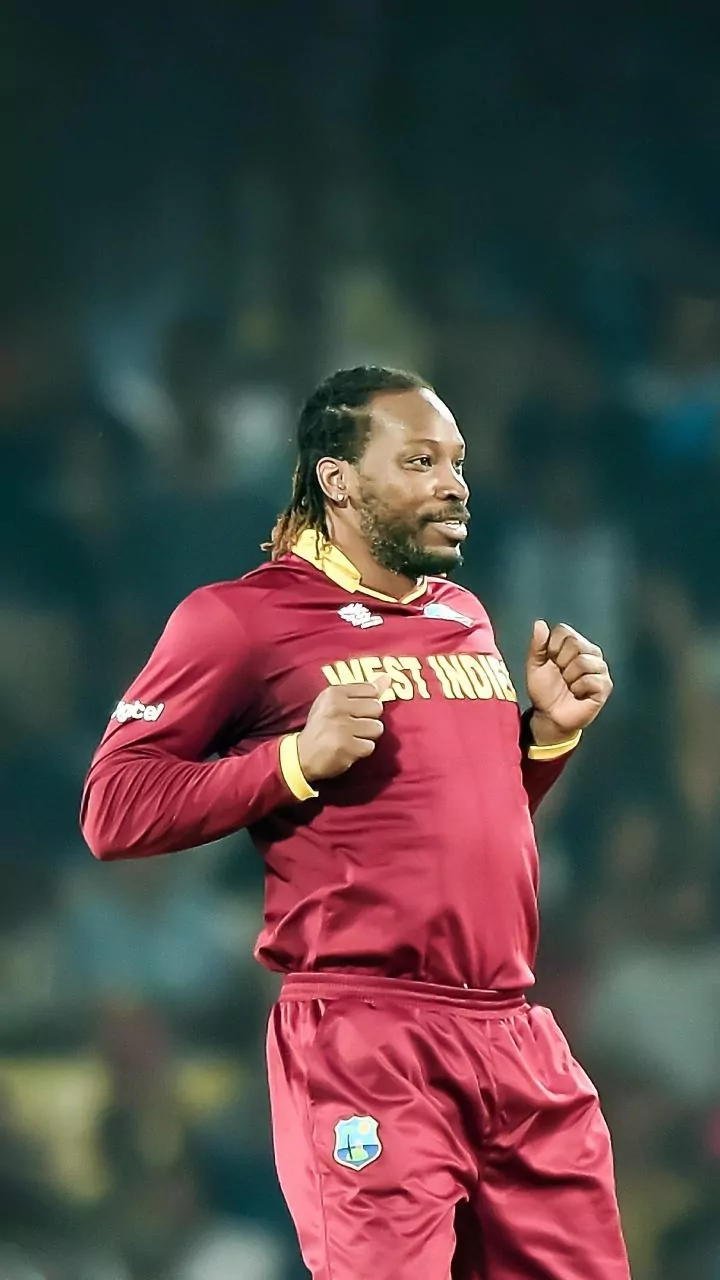




In a rare move, FC Barcelona and the Brazilian Football Confederation (CBF) are coordinating on a 'special plan' to protect star winger Raphinha. This isn't just about one player; it's a sign of the escalating tensions in modern football.
The Anatomy of the Agreement
At the heart
of this unprecedented collaboration is a detailed plan to manage Raphinha’s workload during the current international break. According to reports, Barcelona’s management and the coaching staff for the Brazilian national team, led by Carlo Ancelotti, have agreed to carefully monitor the player’s minutes during two friendlies in Asia. The medical teams from both the club and the federation are reportedly in daily contact, sharing data and implementing a precise schedule to ensure the 29-year-old winger avoids injury and returns to Catalonia in peak physical condition. The goal is simple: prevent another breakdown. Every minute he plays against Japan and Singapore will be measured, with Ancelotti expected to use him cautiously.
Why Raphinha Needs Protecting
This level of intervention was prompted by a worrying pattern. Raphinha has suffered three separate muscle injuries while on international duty in 2026 alone. The most recent incident occurred in September during a friendly against Australia, where he limped off at halftime with a thigh issue. That injury, diagnosed as a slight muscle oedema, forced him to return to Barcelona for recovery. These recurring setbacks have been a source of major concern for his club, as some have affected the same muscle area and cost him appearances in key matches. For a player known for his high-intensity style and crucial role in Barcelona's attack, each international break has become a source of anxiety for the club that pays his wages.
A Global Club vs. Country Crisis
The Raphinha situation is a microcosm of a much larger battle brewing in world football. The ever-expanding match calendar, with new and enlarged competitions like the FIFA Club World Cup, has pushed elite players to their physical and mental limits. Players' union FIFPRO has repeatedly warned that the calendar is unsustainable, highlighting how top athletes have little time for recovery. High-profile players and coaches are increasingly vocal about the risks, with some stars playing over 70 games in a season and facing extensive travel across time zones for national team duty. This overload leads directly to more frequent injuries, burnout, and a drop in the quality of play, creating a standoff between clubs needing their stars fit and national teams competing for international glory.
A Blueprint for the Future?
While a 'secret agreement' sounds dramatic, this collaborative approach between Barcelona and the CBF could represent a pragmatic solution to a complex problem. Historically, the relationship between clubs and national federations has been fraught with tension, often leaving the player caught in the middle. This proactive coordination—sharing medical data, agreeing on playing time in advance, and prioritizing the player’s longterm health—is a significant departure from the usual dynamic. If successful, the Raphinha plan might serve as a blueprint for how to manage other toptier athletes. It acknowledges the shared investment both club and country have in a player's wellbeing and could pave the way for more structured, enforceable regulations on player workload, as advocated by groups like FIFPRO.