



How We Were Sold the Low-Fat Dream
For decades, we were taught a simple, compelling story: eating fat makes you fat. Starting in the latter half of the 20th century, public health campaigns and food marketing painted dietary fat as the primary villain responsible for weight gain and heart
disease. In response, supermarket shelves filled with products proudly labelled “low-fat,” “reduced-fat,” or even “fat-free.” From yogurts and salad dressings to cookies and crackers, these items wore a health halo. The logic seemed sound, and we bought into it, believing we were making the responsible choice for our bodies. This ushered in an era where counting fat grams became more important than understanding overall nutrition.
The Hidden Trade-Off: Fat for Sugar
When manufacturers remove fat from food, they also remove much of its flavour and satisfying texture. To make these products palatable again, they often add something else: sugar, refined flour, and salt. A systematic review of food products confirmed the general belief that low-fat versions often contain significantly more sugar than their full-fat counterparts. So that low-fat yogurt or cereal bar may be a sugar bomb in disguise. This is precisely why these snacks fail to provide lasting energy. The rush of sugar and refined carbohydrates causes a rapid spike in your blood sugar, followed by a sharp crash that leaves you feeling sluggish, foggy, and often craving even more sugar.
Why Your Body Actually Needs Fat
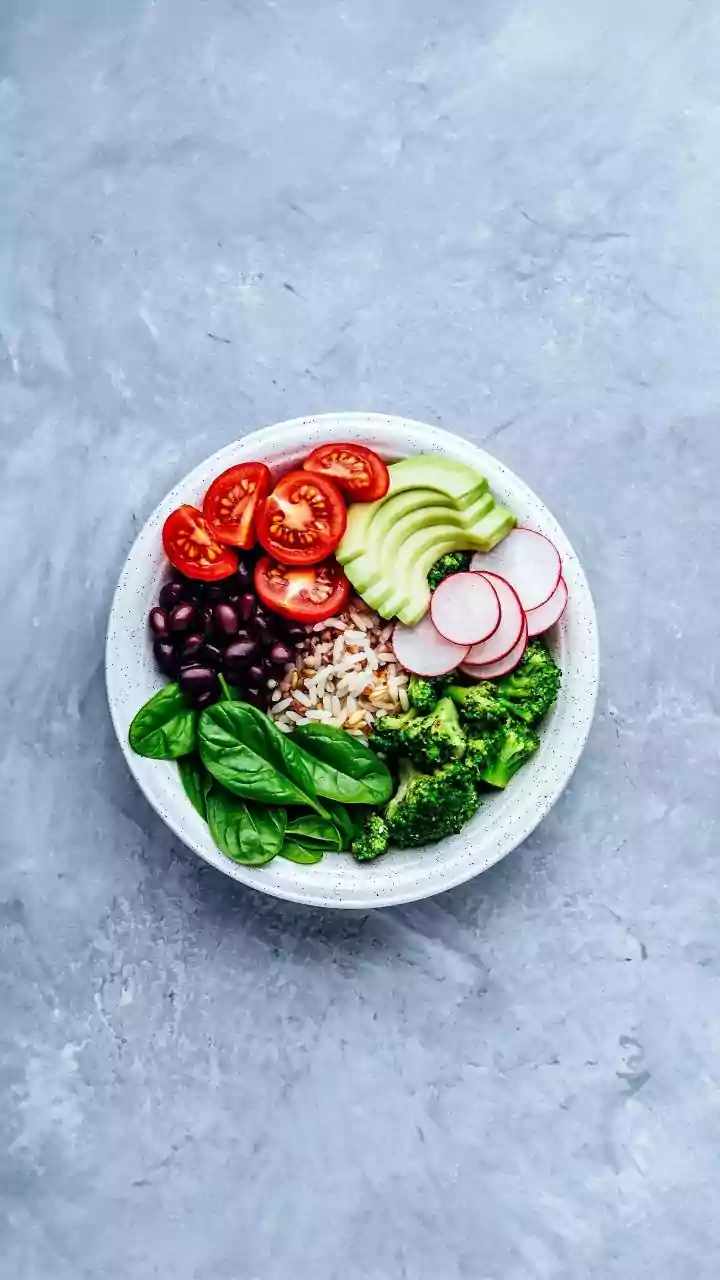
Contrary to the old narrative, dietary fat is not the enemy; in fact, it's essential for a healthy, functioning body. Fats are a crucial source of energy and are fundamental for building cell membranes and producing hormones that regulate everything from mood to metabolism. Furthermore, you cannot properly absorb certain essential nutrients—namely vitamins A, D, E, and K—without fat in your meal. This is why a fat-free salad dressing can actually prevent you from getting the full nutritional benefit of the vegetables in your salad. The key is to focus on the quality of fats. Healthy unsaturated fats, found in foods like avocados, nuts, seeds, and olive oil, are beneficial for heart health, while it's wise to limit trans fats found in many processed and fried foods.
The Missing Piece: Satiety
The ultimate goal of a mid-day snack is to bridge the gap between lunch and dinner, keeping you full and focused. This feeling of fullness is called satiety, and low-fat snacks are notoriously bad at providing it. While protein is considered the most satiating macronutrient, fat plays a critical role by slowing down digestion. This process helps to stabilize blood sugar and sends signals to your brain that you are satisfied, keeping hunger pangs at bay for longer. When you opt for a snack that's high in refined carbs but low in fat and protein, you digest it quickly and are left feeling hungry again shortly after, often leading to consuming more calories overall.
Build a Better, More Balanced Snack
Instead of focusing on a single nutrient like fat, a truly effective snack provides a balanced mix of protein, healthy fats, and fibre-rich carbohydrates. This powerful combination works synergistically to deliver a slow, steady release of energy, keeping your blood sugar stable and your mind sharp. Protein and fat provide lasting satiety, while the fibre from complex carbs (like those in whole fruits and vegetables) aids digestion and contributes to fullness. This approach moves away from the misleading simplicity of “low-fat” marketing and toward a more holistic and effective way of fueling your body through the afternoon.
Smart Swaps for Lasting Energy
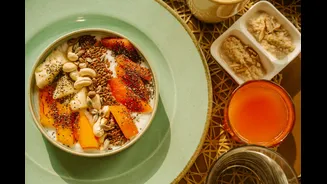
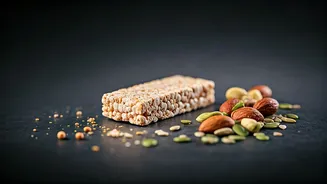
Ditching the processed, packaged low-fat snacks is easier than you think. Instead of a low-fat cookie pack, try a handful of almonds and a small apple. The nuts provide healthy fats and protein, while the apple offers fibre and complex carbs. Swap that sugary, fruit-on-the-bottom low-fat yogurt for plain Greek yogurt topped with fresh berries. Greek yogurt is packed with protein, and the berries add fibre and natural sweetness. Other excellent choices include a hard-boiled egg with a quarter of an avocado, celery sticks with peanut butter, or chia seed pudding. These whole-food options are not only more nutritious but will deliver the sustained energy low-fat snacks can only promise.