





The Monsoon Palate: A Craving for Comfort
The connection between rain and specific food cravings is deeply ingrained in Indian culture. When the temperature drops and the world outside becomes a blur of downpours, our bodies and minds instinctively seek warmth and comfort. Physiologically, the cooler,
damp weather encourages a craving for calorie-dense foods that provide internal heat. Psychologically, the monsoon can lower moods due to reduced sunlight, prompting a desire for foods that trigger a release of happiness-inducing neurotransmitters like serotonin and dopamine, a category where comfort food excels. This creates the perfect storm for a culinary tradition that feels both indulgent and necessary.
The Gentle Warmth of Steam
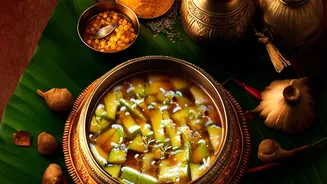
On one side of this trend are steamed rice delicacies. Think of soft, pillowy idlis, Gujarat's fluffy dhokla, or the delicately wrapped patra. These dishes are trending for reasons that go beyond mere taste. According to Ayurvedic wisdom, the monsoon is a time when our digestive fire, or 'agni', is naturally weaker. The increased humidity can make digestion sluggish. Steamed foods are inherently light, easy on the stomach, and provide warmth without being heavy. Delicacies like kozhukattai (rice flour dumplings) from the South or panki (a thin rice pancake steamed in banana leaves) offer satisfying flavour and texture while aligning with the body’s needs during this season. They represent a mindful approach to monsoon comfort—nourishing, gentle, and deeply satisfying.
A Fiery Contrast: The Allure of Fritters
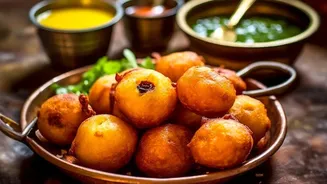
In stark contrast, yet equally popular, are spicy fritters. The sizzle of batter hitting hot oil is a quintessential monsoon sound. A plate of crispy onion pakoras, potato bhajiyas, or classic samosas offers an immediate, sensory thrill. The appeal is primal: the crunch provides a satisfying counterpoint to the damp, soggy weather outside. The heat from spices like chilli and ginger not only provides warmth but can also boost mood. This category of snacks—from Maharashtra's batata vada to Bengal's beguni (eggplant fritters)—is intrinsically social. Sharing a platter of hot, freshly fried snacks with a cup of masala chai is a cherished ritual, a way to connect and find joy in the cosy confines of home while the rain pours down.
A Balancing Act: Tradition Meets Modern Health
The dual trend of steamed and fried snacks highlights a fascinating balancing act. While Ayurveda traditionally recommends light, cooked foods and even suggests limiting oily items during the monsoon, the cultural pull of fried snacks is undeniable. Many people navigate this by enjoying steamed snacks as a regular, healthier option while saving the deep-fried indulgence for a special weekend treat. This reflects a modern understanding of wellness that makes room for both nourishment and joy. The enduring popularity of both demonstrates that monsoon eating isn't about rigid rules but about listening to what the body and soul crave, whether it’s the clean comfort of steam or the decadent crunch of a fritter.
More Than Just Food: A Taste of Nostalgia
Ultimately, the trend of steamed rice dishes and spicy fritters is about more than just a seasonal appetite. It's about nostalgia and emotion. For many, the aroma of pakoras frying or idlis steaming is inextricably linked to childhood memories of rainy days spent with family. These foods are a taste of home, a culinary anchor to feelings of safety, togetherness, and simple happiness. The ritual of preparing and sharing these snacks reinforces social bonds and provides a comforting, predictable pleasure during a season that can otherwise feel chaotic. It's a reminder that sometimes, the most profound comfort comes in the simplest forms: a hot plate of food, a cup of tea, and the sound of rain outside.