

Dining with Your Eyes First
The old saying 'we eat with our eyes' has never been more literal. In the age of social media, the visual appeal of a dish can be as important as its taste. Platforms like Instagram have turned dining into a form of visual storytelling where a meal's
value is often measured in likes and shares. This has led to the rise of 'Instagrammable' food—dishes designed primarily to be photogenic. Restaurants, from high-end establishments to local street food vendors, are now acutely aware that a single viral post can translate into a surge of new customers. This has shifted the focus from just serving food to creating a shareable experience, where diners become marketers, broadcasting their meals to hundreds of followers.
Crafting the Perfect 'Food Pic'
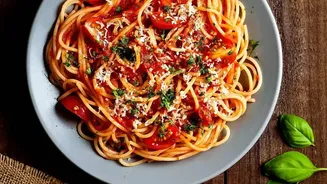
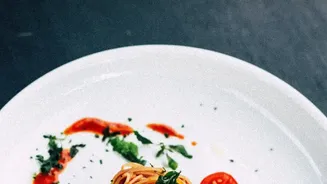
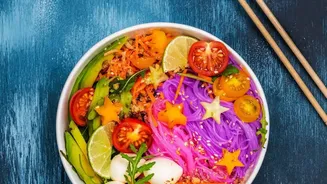
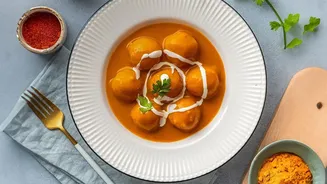
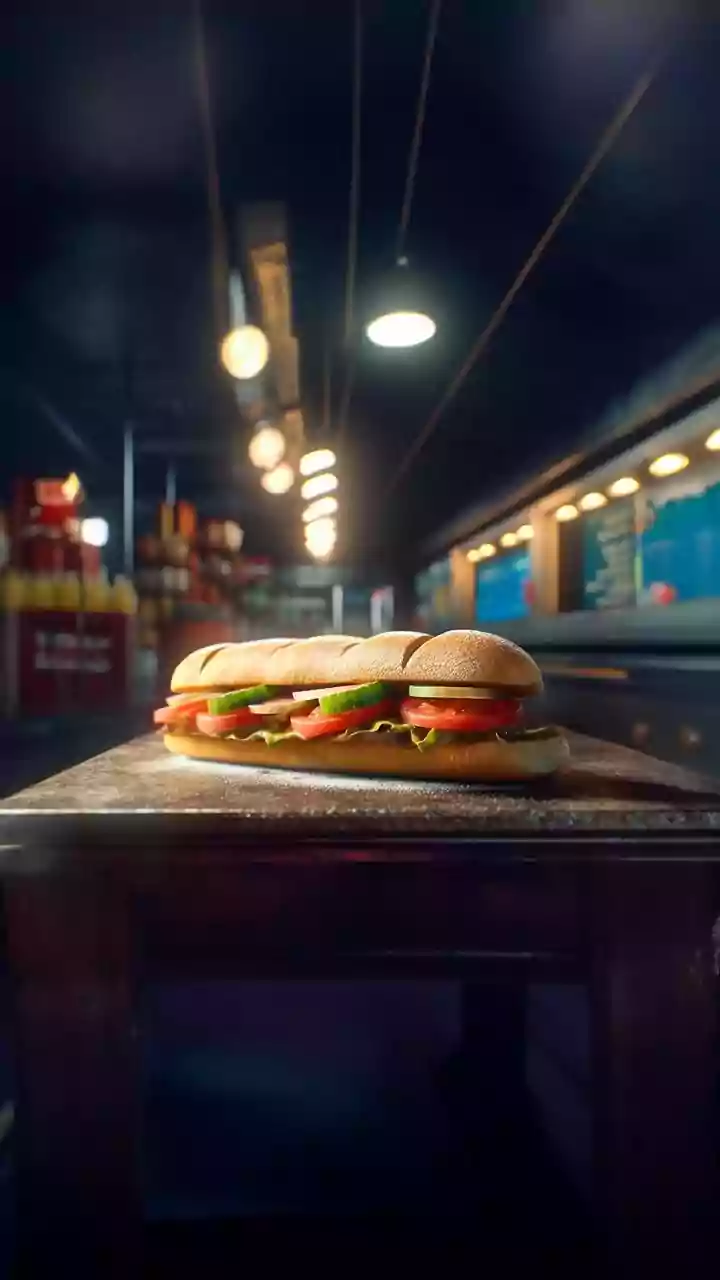
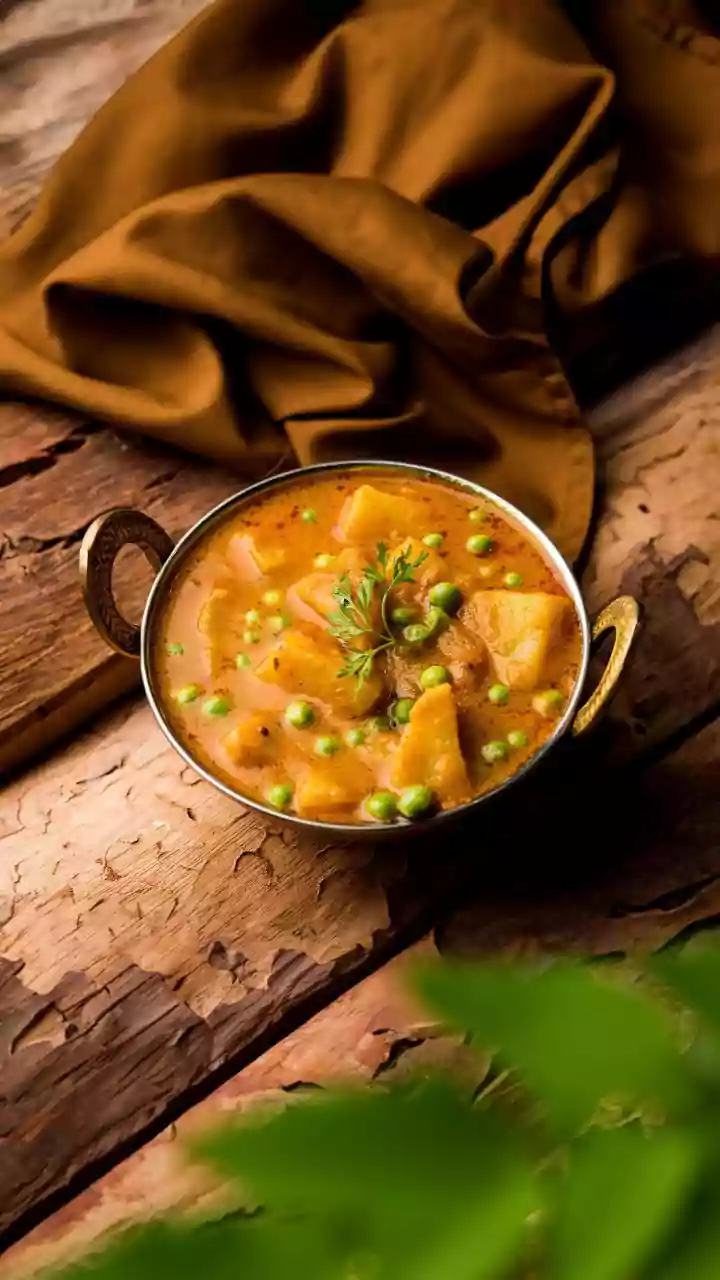
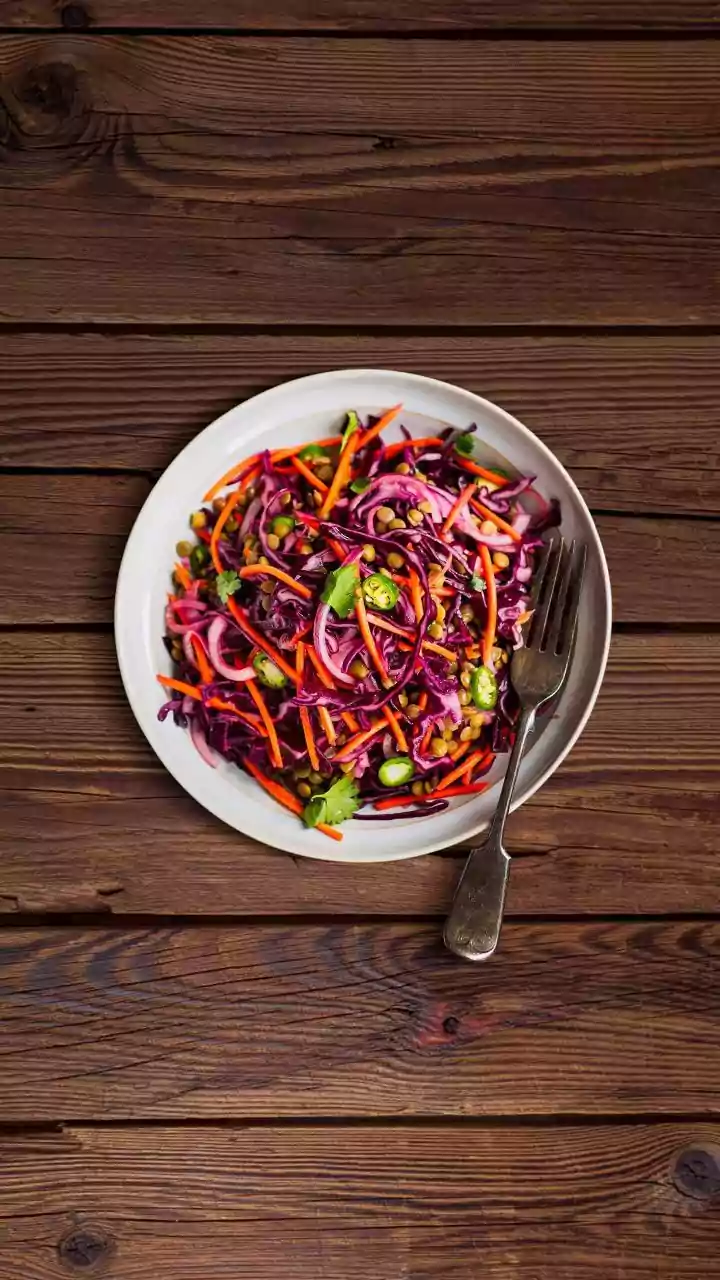
So, what makes a dish 'Gram-worthy'? It often comes down to a few key elements. Bright, bold colours are in, which explains the popularity of ingredients like matcha, vibrant sauces, and even edible glitter. Over-the-top creations, like towering milkshakes and elaborately decorated smoothie bowls, are designed to stop the scroll. The presentation itself has become an art form, with chefs using techniques like careful plating, height, and texture contrasts to make food pop on camera. This extends even to street food, where vendors now understand that capturing the sizzle of oil or the assembly process in a slow-motion video can make their stall an overnight sensation.
The Restaurant as a Photo Studio
The Instagram effect isn't limited to what's on the plate; it has transformed the entire dining space. Restaurateurs are now designing their interiors to be the perfect backdrop for photos. This means moving away from dim, romantic lighting to brighter, more natural light that is flattering for photography. Feature walls with eye-catching murals, decorative tiles, and quirky neon signs are becoming common. Even the layout is considered, with more open floor plans that prevent other diners from awkwardly appearing in the background of a shot. Plants, unique furniture, and branded tableware all contribute to creating an environment where every corner offers a potential photo opportunity.
The Taste vs. Trend Dilemma
While a visually stunning dish can draw crowds, it also presents a challenge for chefs and the industry. There's a growing conversation about whether this focus on aesthetics comes at the expense of flavour and quality. Some chefs feel pressure to create novelty items that photograph well but might not be practical to eat or may compromise on taste. Diners are also becoming more savvy, recognising when a dish looks better online than it tastes in reality. A meal might arrive lukewarm after a complex plating process, or a portion size might feel small for its high price. This has led to a pushback from customers who feel that a theatrical presentation is a poor substitute for a genuinely satisfying meal.