




The Bowler Who Took 19 Wickets
Imagine one bowler dismissing almost an entire team, twice. It sounds like a schoolyard fantasy, but in 1956, England's off-spinner Jim Laker did just that against Australia. In the fourth Ashes Test at Old Trafford, he single-handedly dismantled the opposition
in what is now famously known as 'Laker's Match'. First, he took 9 wickets for 37 runs in the first innings, a phenomenal achievement on its own. But he wasn't done. In the second innings, he achieved the unthinkable by taking all 10 wickets for 53 runs. This brought his final match figures to an astonishing 19 wickets for 90 runs, a world record in first-class cricket that remains untouched and is considered one of the most unbreakable records in all of sports. To this day, only two other bowlers have managed a perfect ten-wicket haul in a Test innings, but no one has come close to Laker's match total of 19.
The Test Match Abandoned to Catch a Boat
Modern Test matches are five-day affairs, but it wasn't always so. Before World War II, some Tests were 'timeless', played until a winner emerged. The most famous example of this was the fifth Test between South Africa and England in Durban in 1939. The match went on, and on, and on. After nine full days of play spread across twelve calendar days, a result was still out of reach. South Africa had set England a mammoth target of 696 runs to win. England batted valiantly and reached 654 for the loss of five wickets. They needed just 42 more runs for a historic victory. But they had a problem bigger than any bowler: the schedule of the Athlone Castle, the ship meant to take them home. With no more time to spare, the captains agreed to abandon the match as a draw, allowing the English players to race to the port. It remains the longest Test match ever played.
The Rivalry Born from a Fake Obituary
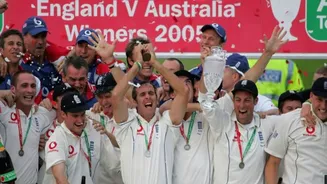
The Ashes, the legendary Test series between England and Australia, is cricket's most storied rivalry. But its origin lies not in a grand declaration, but in a piece of journalistic satire. In 1882, Australia defeated England on English soil for the first time at The Oval. The loss was so shocking that a British newspaper, The Sporting Times, published a mock obituary for English cricket. It stated that English cricket had died, and that "the body will be cremated and the ashes taken to Australia". Later that year, when England's captain, the Honourable Ivo Bligh, led his team to Australia, he vowed to "regain those ashes". After England won the series, a group of Melbourne ladies presented Bligh with a small terracotta urn, believed to contain the ashes of a burnt cricket bail. That tiny, personal gift became the symbol for one of the greatest rivalries in the sporting world.
The Man with a 30-Year Test Career
In an era where athlete careers are often short and intense, the story of Wilfred Rhodes is simply staggering. The English all-rounder’s Test career lasted for 30 years and 315 days. He made his debut for England on June 1, 1899, and played his final Test match on April 12, 1930. To put that in perspective, Rhodes' career began before the invention of the airplane and ended in the era of 'The Great Depression'. He remains the oldest person to ever play in a Test match, taking the field against the West Indies at the age of 52 years and 165 days. Beyond just longevity, he was a phenomenal cricketer, being the first person in history to accumulate over 2,000 runs and 100 wickets in Test cricket. His record for the longest Test career remains firmly in his name, a testament to incredible endurance and skill.
The Shortest Test Match in History
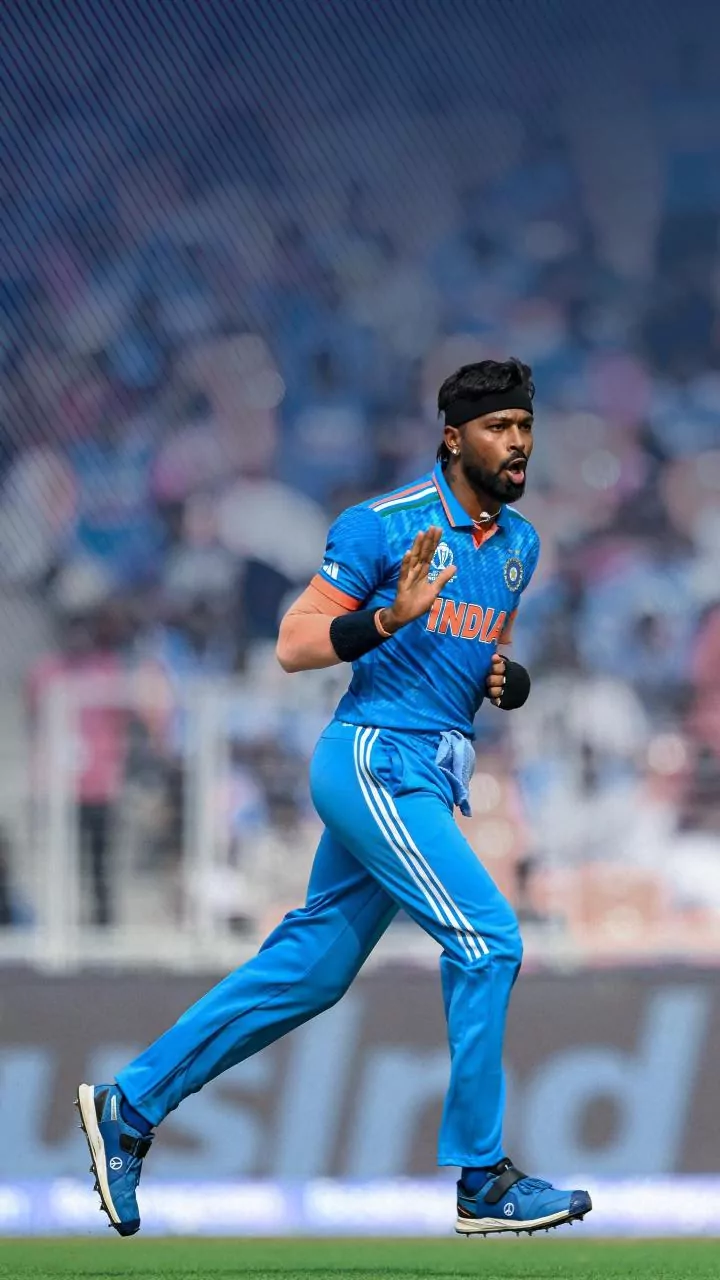
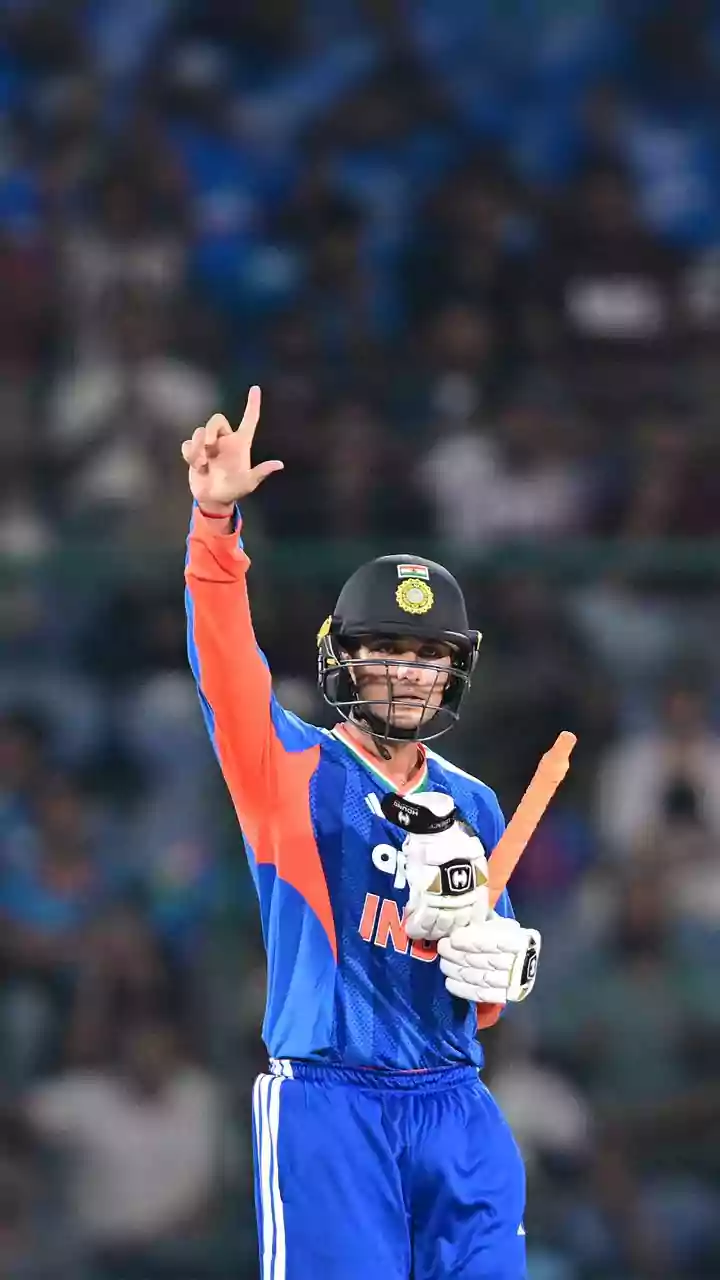
At the opposite end of the spectrum from the timeless Test is the match that was over almost as soon as it began. While several historical matches were incredibly short, the record for the shortest completed Test match in terms of balls bowled was set in the modern era. In January 2024, South Africa and India met at Newlands, Cape Town, for a match that lasted just 642 deliveries, or 107 overs. The entire game was completed in under two days. On the first day, South Africa were bowled out for a paltry 55 before lunch. India then posted 153, which included a bizarre collapse where they lost their last six wickets without scoring a single run. South Africa fared slightly better in their second innings, but India chased the required target with seven wickets to spare. It was a chaotic, whirlwind of a match that defied all expectations for a five-day contest, proving that cricket can deliver unbelievable drama in both its longest and shortest forms.